
Best First Car for a Teenager (Reliable and Safe)
Find the best first car for your teenager with our guide to reliable, safe, and practical models parents can confidently approve.
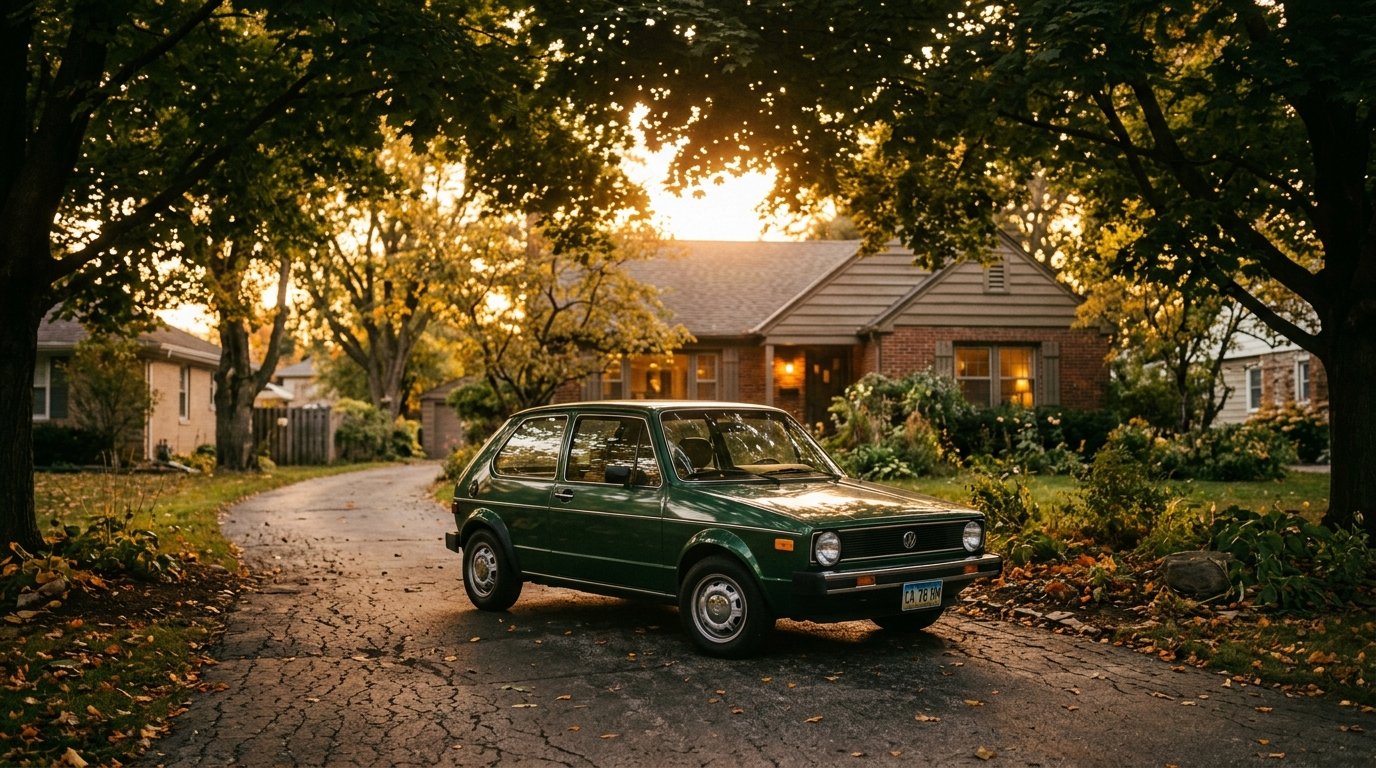
BEST FIRST CAR FOR A TEENAGER (RELIABLE AND SAFE)
INTRODUCTION Choosing the right first car for a teenager is one of the most significant financial and safety decisions a family will make. The stakes are high: a poorly chosen vehicle can lead to costly repairs, unexpected breakdowns, and compromised safety on the road. This article cuts through the noise, providing specific, data-driven recommendations for reliable and safe used cars ideal for new drivers. We will detail common failure points, estimated repair costs, essential pre-purchase checks, and a comprehensive look at long-term ownership expenses to ensure peace of mind.
WHY THIS MATTERS The financial pitfalls of a bad used car purchase are substantial. A vehicle marketed as a "bargain" can quickly become a money pit, draining thousands from a family budget. For instance, a common engine issue requiring a rebuild or replacement can easily cost $3,000 to $5,000, erasing any initial savings. A transmission failure can demand $2,500 to $4,000. These unexpected repairs often strike used vehicles between 80,000 and 150,000 miles, precisely the range where many first cars are purchased. Beyond the direct repair costs, there are the hidden expenses: towing fees, rental cars, and the lost wages from missed work or school. Opting for a demonstrably reliable model significantly reduces these risks, safeguarding family finances and ensuring consistent, safe transportation for a new driver. Ignoring reliability data can translate directly into thousands of dollars in avoidable expenses over just a few years of ownership.
THE TOP 5 / THE RANKINGS / THE YEARS
-
Toyota Corolla (2009-2013) This generation of the Corolla, specifically models equipped with the 1.8L 2ZR-FE engine, stands out for its exceptional durability. A known failure mode is oil consumption, which can become noticeable between 90,000 and 150,000 miles. This is often due to piston ring wear. While some owners experience significant consumption requiring frequent top-offs, it rarely leads to catastrophic engine failure if oil levels are maintained. A top-end engine overhaul to address this can cost between $1,800 and $2,800. General maintenance is minimal. Buyer tip: Ensure the seller provides recent oil change records and check the dipstick for proper oil level.
-
Honda Civic (2012-2015) The ninth-generation Civic, particularly the non-Si models with the R18A1 1.8L engine, represents a strong choice. Earlier eighth-generation models (2006-2009) had well-documented cracked engine block issues, but this was resolved by the 2012 model year. Reliability is robust, with few major common failure modes. Some owners report minor issues with the automatic transmission, such as rough shifts, typically appearing around 100,000 miles. These are often resolved with a simple fluid change, costing $150 to $250. Major transmission repairs are rare. Buyer tip: During a test drive, pay close attention to the automatic transmission's shift quality through all gears.
-
Mazda 3 (2012-2016 SkyActiv) The Mazda 3 equipped with the SkyActiv 2.0L or 2.5L engine offers an excellent balance of reliability, safety, and driving dynamics. This generation largely addresses the rust concerns of earlier models. A common, though minor, issue can be premature wear of front lower control arm bushings, which can lead to clunking noises over bumps, typically around 80,000 to 110,000 miles. Replacing both front lower control arms costs approximately $400 to $600 parts and labor. Engine and transmission are exceptionally reliable. Buyer tip: Listen for suspension noises over speed bumps or uneven pavement during the test drive.
-
Subaru Impreza (2012-2016, non-turbo) For buyers in colder climates or those prioritizing all-wheel drive, the non-turbo Impreza from this generation is a solid option. Subaru's notorious head gasket issues were largely resolved by the introduction of the FB series engine in 2012. The most common minor issue reported is oil leaks from valve covers or the timing chain cover, usually manifesting after 90,000 miles. Repairing valve cover leaks typically costs between $450 and $700. The CVT transmission, while generally reliable, benefits greatly from regular fluid changes every 60,000 miles. Buyer tip: Inspect underneath the engine for any signs of oil seepage or drips.
-
Ford Focus (2012-2018, MANUAL TRANSMISSION ONLY) The third-generation Ford Focus is highly reliable when equipped with the 5-speed manual transmission. Its GDI engine and chassis are robust. However, the PowerShift automatic transmission (DCT) in these years is notoriously problematic, suffering from severe shuddering, hesitation, and eventual failure often under 60,000 miles. Repair costs for the DCT can range from $2,500 to $4,500, and problems often recur. For this reason, only manual transmission models are recommended. The manual variant has very few common failures beyond routine maintenance. Buyer tip: ONLY consider a manual transmission Ford Focus from this generation. Avoid all automatic models.
WHAT TO CHECK BEFORE YOU BUY
- Review service records: Verify consistent oil changes, tire rotations, and major service intervals.
- Inspect all fluid levels and condition: Pull the engine oil dipstick and check for proper level and dark, not milky, oil. Check coolant reservoir for proper level and color.
- Perform a thorough visual rust inspection: Pay close attention to wheel wells, rocker panels, subframes, and brake lines, especially in salt-belt states.
- Test drive for at least 20 minutes: Listen for abnormal noises from the engine or suspension, and observe transmission shift quality and braking performance.
- Check all dashboard warning lights: Ensure all lights illuminate upon key-on and extinguish once the engine starts. Any persistent "Check Engine" or ABS light warrants investigation.
- Operate all electrical accessories: Test windows, mirrors, radio, air conditioning, and headlights to confirm full functionality.
- Examine tire tread depth and evenness: Uneven wear can indicate alignment issues or worn suspension components.
COST OF OWNERSHIP OVER 5 YEARS The long-term cost of owning a used first car extends beyond the purchase price, encompassing maintenance, repairs, fuel, and insurance. For the recommended vehicles, typical annual maintenance costs, including oil changes, tire rotations, air filters, and occasional brake services, average $400 to $700 per year. Over five years, this equates to $2,000 to $3,500 in routine upkeep.
Major repair risk is a significant variable. By selecting models known for reliability, the chance of a catastrophic, multi-thousand-dollar repair is minimized. However, even the best vehicles can require components like an alternator, starter, or wheel bearings between 80,000 and 150,000 miles. Budgeting an additional $500 to $1,000 annually for potential unexpected repairs provides a cushion, though reliable cars often need less. Over five years, this translates to setting aside $2,500 to $5,000 for unforeseen events.
Fuel costs are directly tied to mileage and local gas prices. Assuming 12,000 miles driven annually at an average of 28 MPG and a gasoline price of $3.50 per gallon, annual fuel expense would be approximately $1,500. Over five years, this totals around $7,500. Insurance costs for a teenage driver are often the highest variable, ranging from $2,000 to $4,000 per year depending on driver age, location, driving record, and vehicle type. For a five-year period, expect to pay $10,000 to $20,000 in insurance premiums. Total ownership costs over five years, excluding the purchase price, can therefore range from $22,000 to $36,000.
OUR VERDICT The Toyota Corolla (2009-2013) stands as the quintessential choice for a first car, offering an unmatched blend of straightforward reliability, low running costs, and readily available parts. While the Honda Civic and Mazda 3 are strong contenders providing slightly more engaging driving dynamics, the Corolla's robust simplicity often translates to fewer unexpected headaches for a new driver and their family. The potential for minor oil consumption in some Corolla units is a manageable issue when compared to the significant, more costly problems that can plague less reliable alternatives.
FREQUENTLY ASKED QUESTIONS
Q: What is a reasonable budget for a reliable first car? A: A realistic budget for a reliable used first car should be between $7,000 and $12,000. This price range typically allows access to vehicles from 2009-2016 with reasonable mileage and a strong service history, minimizing immediate repair needs.
Q: What mileage is too high for a reliable used car? A: Mileage itself is less critical than consistent maintenance. For the recommended vehicles, a car with 100,000 to 140,000 miles that has comprehensive service records can be a better buy than one with 70,000 miles but no documented history. Avoid vehicles over 180,000 miles without recent major component replacements.
Q: Are specific model years really that important for reliability? A: Absolutely. Automotive manufacturers often make significant design changes between model years or generations that can dramatically impact long-term reliability. Our recommendations specifically target years known for resolved issues and robust engineering.
Q: What are the most common known issues to watch out for in these reliable models? A: For the Toyota Corolla, watch for oil consumption. Honda Civics had resolved engine block issues by 2012. Mazda 3s can have minor suspension bushing wear. Subaru Imprezas may develop small oil leaks. For Ford Focus, unequivocally avoid automatic transmissions.
Q: How much should I expect to spend on annual maintenance for these vehicles? A: For the recommended reliable vehicles, expect to budget $400 to $700 annually for routine maintenance, including oil changes, tire rotations, filter replacements, and minor wear items like wiper blades. This does not include fuel or insurance.
Q: How do these vehicles hold their resale value? A: Toyota Corollas and Honda Civics are renowned for excellent resale value due to their reputation for reliability and longevity. Mazda 3s and Subaru Imprezas also hold value well. A manual Ford Focus will retain less value due to market preference for automatics, but its lower purchase price often offsets this.