
Ford Explorer Common Problems and Repair Costs
Concerned about your Ford Explorer's issues? Explore common problems and detailed repair costs to budget effectively and avoid surprises.
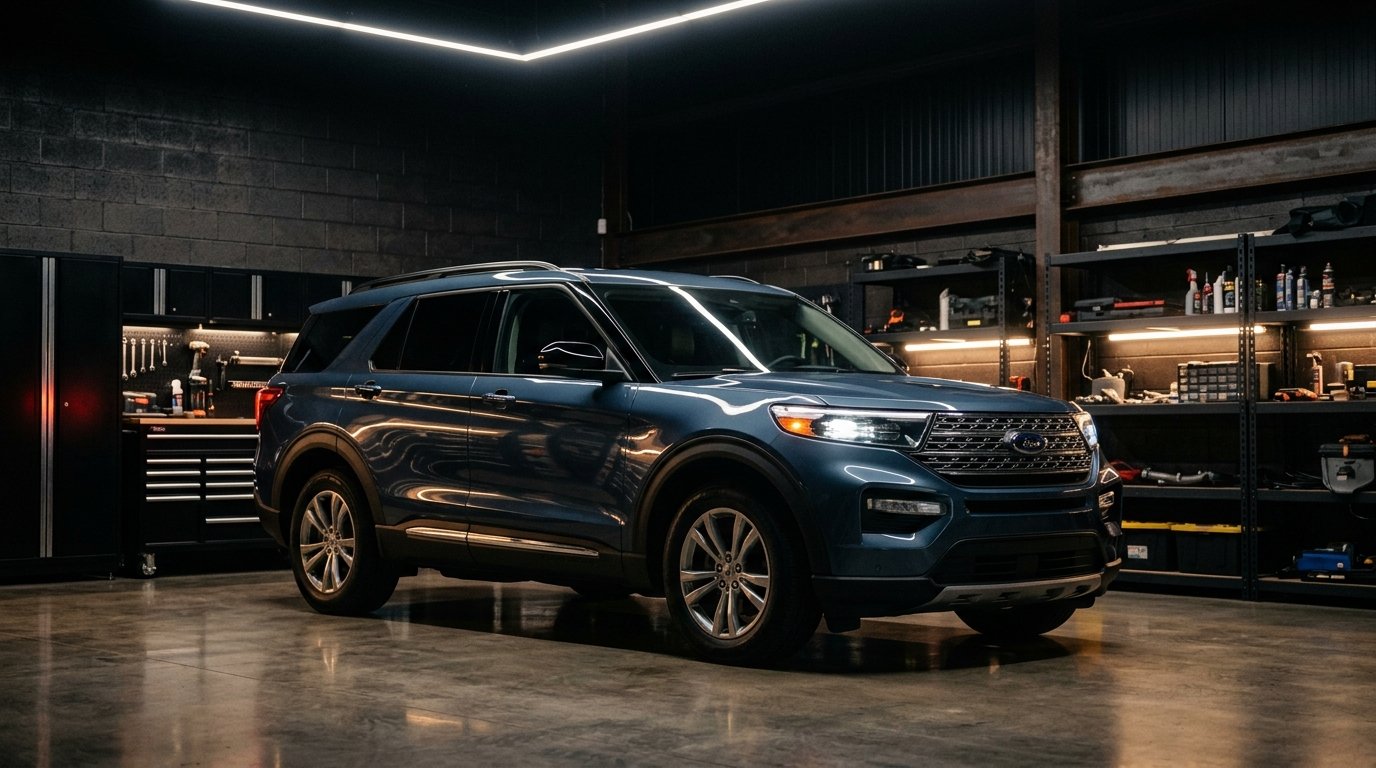
FORD EXPLORER COMMON PROBLEMS AND REPAIR COSTS
INTRODUCTION The decision to purchase a used Ford Explorer can be a significant financial commitment, one that demands a clear understanding of potential pitfalls and the true cost of ownership. Overlooking known reliability issues can transform an attractive deal into a money pit, leaving owners frustrated and out of pocket. This comprehensive guide dissects the most common problems across various Explorer generations, providing detailed repair costs, typical mileage ranges for failures, and practical advice for prospective buyers. It aims to equip you with the knowledge to make an informed decision, highlighting specific years and configurations to either seek out or approach with extreme caution.
WHY THIS MATTERS For the used car buyer, the difference between a reliable daily driver and a costly project often comes down to proactive research. A common internal engine issue, for example, can incur repair bills upwards of $4,000, easily exceeding the savings from a lower purchase price. Certain Ford Explorer models, while appearing robust, harbor design flaws that manifest as expensive repairs typically between 80,000 and 150,000 miles. Understanding these specific vulnerabilities is crucial to avoid inheriting someone else's expensive problem. Conversely, identifying the more dependable model years allows buyers to maximize their investment, securing a practical SUV without unexpected financial burdens. This information directly impacts your total cost of ownership over a five-year period, potentially saving thousands of dollars in unforeseen maintenance.
THE TOP 5
-
2011-2019 Explorer (Fifth Generation) with 3.5L Duratec V6: Internal Water Pump Failure The 3.5L Duratec V6 engine, widely used in the fifth-generation Explorer, is notorious for an internally mounted water pump. Unlike traditional external pumps, a failure here means coolant circulates through the engine valley, often mixing with the engine oil, leading to catastrophic engine damage if not caught immediately. The issue typically arises between 80,000 and 120,000 miles. Repair involves significant labor to access the pump, often requiring the timing chain to be removed, driving costs high. Expect repair estimates between $2,500 and $4,500, especially if additional damage to other engine components has occurred. Buyer Tip: During a pre-purchase inspection, ensure the coolant is bright and clear, and specifically ask for documentation of water pump replacement, or budget for this repair.
-
2011-2019 Explorer (Fifth Generation) AWD: Power Transfer Unit (PTU) Failure All-wheel-drive (AWD) Ford Explorers from this generation are prone to Power Transfer Unit (PTU) failure. The PTU, which directs power to the rear wheels, often suffers from overheating due to insufficient fluid capacity and poor heat dissipation, leading to premature bearing failure and fluid leaks. This issue commonly manifests between 70,000 and 130,000 miles, indicated by grinding noises, vibrations, or a distinct burning oil smell. A PTU replacement is an expensive repair due to parts and labor. Anticipate costs ranging from $1,800 to $3,000 for a new unit and installation. Buyer Tip: Check for any signs of fluid leaks around the PTU housing on the driver's side, and listen for unusual noises during a test drive, especially when accelerating or turning.
-
2011-2019 Explorer (Fifth Generation): Electric Power Assist Steering (EPAS) Failure The Electric Power Assist Steering (EPAS) system in these Explorers can experience sudden failure, resulting in a complete loss of power steering. This is not a gradual degradation; drivers report losing assistance suddenly, often accompanied by a warning message on the dashboard. The root cause is typically a fault within the electronic motor or its control module. This problem can appear anytime after 50,000 miles. Replacement of the entire steering rack, which houses the EPAS motor, is usually required. Repair costs for EPAS unit replacement can be substantial, ranging from $1,500 to $2,500. Buyer Tip: Pay close attention to any warning lights related to steering during startup or operation, and note if the steering feels unusually heavy or inconsistent during the test drive.
-
2013-2017 Explorer (Fifth Generation): Rear Toe Compensator Linkages Owners of these model years frequently report premature wear of the rear toe compensator linkages, leading to excessive play in the rear suspension. Symptoms include a noticeable clunking noise from the rear over bumps, unstable handling, and uneven tire wear on the rear axle. This issue often becomes apparent between 60,000 and 100,000 miles. While the parts themselves are not exceptionally expensive, the labor involved to replace these crucial suspension components, especially if bushings are seized, can add up. Expect a repair bill between $400 and $800 per side, depending on shop rates and complexity. Buyer Tip: During a test drive, listen for any metallic clunking or thumping noises from the rear, especially over speed bumps or uneven pavement. Visually inspect the rear tires for abnormal wear patterns.
-
2006-2010 Explorer (Fourth Generation): Transmission Failure (6R60/6R75) The 6R60 and 6R75 automatic transmissions found in the fourth-generation Explorer are known for experiencing premature failure, especially in vehicles used for towing or heavy loads. Common complaints include harsh shifting, delayed engagement, slipping, and eventually complete loss of gears. This issue typically becomes critical between 90,000 and 150,000 miles. A full transmission rebuild or replacement is often necessary. This is one of the most expensive repairs for any vehicle, with costs for a rebuilt or new transmission ranging from $3,500 to $5,500, including labor. Buyer Tip: Conduct a thorough transmission fluid check; look for dark, burnt-smelling fluid or metallic particles. During a test drive, ensure shifts are smooth and timely, without any hesitation or slipping under acceleration.
WHAT TO CHECK BEFORE YOU BUY
- Verify the service history for fluid changes on the automatic transmission and Power Transfer Unit, ensuring they were performed at recommended intervals.
- Inspect the undercarriage thoroughly for any signs of fluid leaks, particularly around the front differential and rear axle, which could indicate PTU or differential issues.
- Pull the engine oil dipstick and visually inspect the oil for any milky or foamy texture, which is a strong indicator of a failing internal water pump mixing coolant with oil.
- Examine the rear tires for uneven wear patterns, specifically feathering or excessive wear on the inner or outer edges, suggesting worn rear suspension components like toe compensator links.
- During a cold start, listen intently for any abnormal engine noises, such as whining, rattling, or ticking that persists after a few seconds, which could point to internal engine wear or water pump issues.
- Test the steering in various conditions, including tight turns and highway speeds, feeling for any intermittent heavy spots, warning lights, or grinding sensations indicative of EPAS problems.
COST OF OWNERSHIP OVER 5 YEARS The overall cost of owning a used Ford Explorer over a five-year period can vary significantly based on the model year chosen and its prior maintenance history. Beyond the initial purchase price, owners should budget for several key expenses. Annual routine maintenance, including oil changes, tire rotations, and air filter replacements, typically ranges from $400 to $700 per year. These figures can climb if spark plugs, brake pads, or fluid flushes are due.
The biggest variable in long-term ownership costs comes from the potential for major repairs, particularly for the known issues discussed. A single internal water pump replacement or PTU failure can cost upwards of $2,000 to $4,500. Transmission issues, especially in older models, can easily exceed $5,000. These are not guaranteed expenses, but they represent a significant risk that must be factored into a comprehensive ownership budget. It is prudent to set aside an emergency fund of at least $1,000 annually for unexpected repairs.
Fuel expenses for an Explorer, depending on engine and drivetrain (FWD vs. AWD), typically average between 18 to 28 miles per gallon. Assuming 12,000 miles driven annually and an average fuel price of $3.50 per gallon, annual fuel costs could range from $1,500 to $2,300. Insurance premiums are highly variable based on driver history, location, and specific coverage, but expect an annual average for a used Explorer to fall between $1,200 and $2,000. When combining these factors, a used Ford Explorer could realistically cost between $4,300 and $9,200 per year in non-depreciation expenses, excluding any major repairs.
OUR VERDICT For used car buyers prioritizing long-term reliability and predictable maintenance, OwnerKeep recommends approaching most fifth-generation (2011-2019) Ford Explorers with caution, particularly those with the 3.5L Duratec V6 engine. The pervasive and expensive internal water pump and PTU issues, coupled with EPAS failures, present substantial financial risks that often outweigh the Explorer's appealing price point and utility. While newer models after 2017 saw some incremental improvements, the core design flaws persisted. Buyers seeking a dependable three-row SUV would be better served by exploring alternatives such as the Toyota Highlander or Honda Pilot, which consistently demonstrate lower rates of severe, expensive failures. If an Explorer is absolutely necessary, prioritize models with comprehensive service records verifying critical repairs have already been addressed, or consider the less problematic 2.3L EcoBoost four-cylinder engine where available.
FREQUENTLY ASKED QUESTIONS
Q: Which Ford Explorer years should I avoid due to known issues? A: The 2011 to 2017 model years of the fifth-generation Explorer are particularly problematic due to the prevalence of internal water pump failures, PTU issues in AWD models, and EPAS failures. Fourth-generation models from 2006 to 2010 should also be approached with extreme caution due to common transmission failures.
Q: Is a high-mileage Ford Explorer a bad purchase? A: A high-mileage Ford Explorer, particularly above 120,000 miles, significantly increases the likelihood of encountering expensive repairs like water pump replacement, PTU failure, or transmission issues. Unless there's verifiable documentation that these major components have already been replaced, it generally presents a high-risk purchase.
Q: What are the most common known issues for the Ford Explorer? A: The most common and costly issues include internal water pump failures in 3.5L V6 engines (2011-2019), Power Transfer Unit (PTU) leaks and failures in AWD models (2011-2019), Electric Power Assist Steering (EPAS) system malfunctions (2011-2019), and transmission failures in older 2006-2010 models.
Q: How much should I budget for annual maintenance on a used Ford Explorer? A: Owners should budget approximately $400 to $700 annually for routine maintenance like oil changes and tire rotations. However, it is prudent to set aside an additional $1,000 to $1,500 per year for potential major repair costs, especially given the Explorer's history of expensive component failures.
Q: Do Ford Explorers hold their resale value well? A: Ford Explorers generally have moderate resale value, which can be negatively impacted by prior accident history, high mileage, and any unrepaired known issues. Models with a clean title and comprehensive service records will command higher prices, but they typically do not retain value as strongly as some competitors like the Toyota Highlander.
Q: What is a good budget to consider when buying a used Ford Explorer? A: For a 2011-2019 model, a purchase price between $10,000 and $20,000 is common, depending on year, trim, and mileage. However, it is essential to factor in an additional $3,000 to $6,000 for potential immediate repairs or an emergency fund to cover inevitable known issues.