
Ford Explorer Years to Avoid (Worst to Best Ranked)
Don't buy blindly! This expert guide ranks Ford Explorer years from worst to best, revealing models to avoid and the most reliable picks.
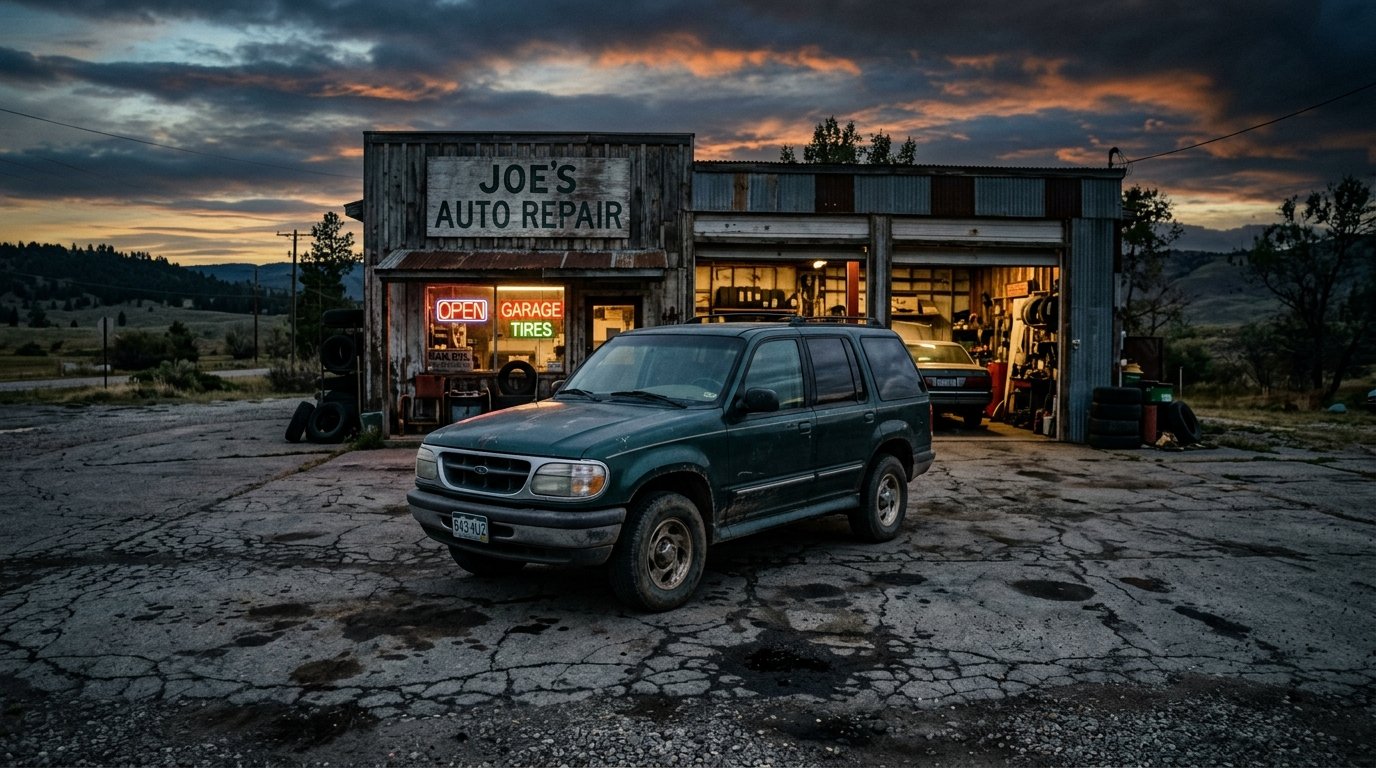
Ford Explorer Years to Avoid (Worst to Best Ranked)
INTRODUCTION Buying a used Ford Explorer can be a shrewd financial move or a significant drain on your wallet, depending entirely on the model year you select. The difference between a reliable family hauler and a continuous repair project often boils down to specific design flaws and manufacturing choices made in certain generations. This article dissects decades of Ford Explorer production, identifying the model years plagued by expensive, common failures and highlighting those that offer dependable service. Prospective buyers will gain the specific knowledge needed to confidently navigate the used Explorer market and make an informed purchase.
WHY THIS MATTERS The financial impact of purchasing a problematic used vehicle cannot be overstated. A used Ford Explorer, particularly one from a less reliable vintage, can quickly transform an apparent bargain into a money pit. Major repairs like transmission replacements or engine overhauls can easily exceed two thousand five hundred dollars, often reaching four thousand dollars or more. These costs can quickly eclipse the initial purchase price of an older model, leading to negative equity and significant financial strain. Beyond direct repair costs, owning an unreliable vehicle means unpredictable downtime, lost wages if transportation is critical for work, and the added expense of rental cars. For a family on a budget, selecting a robust Explorer year can save thousands in unforeseen repairs over a five-year ownership period, potentially preserving six thousand to ten thousand dollars that would otherwise be spent on frustrating breakdowns and maintenance above the norm.
THE RANKINGS / THE YEARS
-
2011-2019 (Fifth Generation) This generation, while modern in appearance and amenities, is plagued by several critical and expensive failure modes, making it the least recommended used Explorer. Specific failure mode: Power Transfer Unit (PTU) failure on all-wheel-drive models. The PTU fluid is often overlooked and can overheat, leading to catastrophic internal damage. Typical mileage: PTU failures commonly appear between 60,000 and 120,000 miles. Repair cost estimate: Replacing a PTU typically costs between 1,500 dollars and 3,000 dollars. Specific failure mode: Internal water pump failure on 3.5-liter V6 engines. The water pump is driven by the timing chain and is located inside the engine, requiring extensive labor for replacement. Typical mileage: Water pump leaks or failures often manifest between 80,000 and 150,000 miles. Repair cost estimate: This repair can range from 1,800 dollars to 2,800 dollars due to the labor-intensive engine disassembly required. Specific failure mode: Electric Power Assist Steering (EPAS) rack failure. This results in a loss of power steering or a stiff steering feel. Typical mileage: EPAS issues are frequently reported between 70,000 and 130,000 miles. Repair cost estimate: EPAS rack replacement costs typically fall between 1,600 dollars and 2,600 dollars. Buyer tip: Absolutely insist on detailed service records, specifically looking for PTU fluid changes and any water pump or EPAS system replacements. Consider front-wheel-drive models to avoid the PTU entirely.
-
2002-2005 (Third Generation) The redesign for this generation introduced independent rear suspension but also suffered from well-documented transmission problems. Specific failure mode: 5R55W/S/E automatic transmission failure. These transmissions were prone to valve body issues, solenoid failures, and internal wear, leading to delayed shifts, harsh engagement, or complete loss of gears. Typical mileage: Transmission problems often surface between 70,000 and 120,000 miles. Repair cost estimate: A transmission rebuild or replacement typically costs between 2,500 dollars and 4,000 dollars. Buyer tip: During a test drive, pay close attention to the transmission's behavior. Listen for clunks, feel for harsh shifts, or notice any hesitation, particularly when shifting into reverse or from first to second gear.
-
1995-2001 (Second Generation) This generation offers a more traditional SUV experience but has a significant engine flaw in its dominant powerplant. Specific failure mode: Timing chain guide and cassette failure on the 4.0-liter SOHC V6 engine. The plastic guides can degrade and break, leading to catastrophic engine damage if not addressed. Early warning signs include a rattling noise from the engine. Typical mileage: This issue typically arises between 100,000 and 150,000 miles. Repair cost estimate: Repairing the timing chain guides is an engine-out job, costing between 2,000 dollars and 3,500 dollars. Engine replacement can be 4,000 dollars or more. Buyer tip: Seek models equipped with the 5.0-liter V8 engine from this generation, which is a far more robust and reliable powertrain, or ensure the 4.0 SOHC has documented timing chain service.
-
2006-2010 (Fourth Generation) This generation brought a strengthened frame and more refined powertrain options, representing a step up in overall reliability from its predecessor. Specific strength: Improved 5R55S automatic transmission. While not entirely bulletproof, these transmissions were generally more durable and less prone to the widespread issues of the earlier 5R55W/E units. Specific failure mode: Frame rust, particularly in northern climates, and some persistent electrical glitches like erratic instrument cluster readings or power window failures. Typical mileage: Rust depends on climate. Electrical issues can manifest unpredictably. Repair cost estimate: Frame rust can be a structural concern, ranging from negligible to several thousand dollars for specialized repair. Electrical repairs typically cost between 300 dollars and 800 dollars. Buyer tip: Thoroughly inspect the underside of the vehicle for excessive rust on the frame, suspension components, and brake lines. Cycle all electrical accessories several times during inspection.
-
2020-Present (Sixth Generation) The latest generation Explorer marks a significant shift to a rear-wheel-drive biased platform and generally represents a substantial improvement in reliability and build quality compared to the fifth generation. Specific strength: Robust powertrain options, including a 2.3-liter EcoBoost four-cylinder and a 3.0-liter EcoBoost V6, paired with a smooth 10-speed automatic transmission. Early production models did experience some software glitches in the transmission, but these were largely addressed with updates. Specific failure mode: Early 2020 models had some reports of fit and finish issues and isolated electrical gremlins, but these were not widespread and generally resolved under warranty. No widespread catastrophic failures have emerged. Typical mileage: Minimal major issues reported at any mileage. Repair cost estimate: Standard maintenance costs apply. Buyer tip: These models are still relatively new and command higher prices on the used market. Look for certified pre-owned options for extended warranty coverage. Verify that all software updates have been performed, especially on 2020 models.
WHAT TO CHECK BEFORE YOU BUY Examine the coolant reservoir for any signs of low fluid or milky, oily residue, which could indicate an internal water pump leak on 2011-2019 V6 models. Pull the transmission dipstick on 2002-2005 models and older; the fluid should be red and translucent, not dark brown or smell burnt. On 2011-2019 all-wheel-drive models, check for fluid leaks around the Power Transfer Unit housing at the front differential area. Pay close attention to the steering feel during a test drive; any abnormal stiffness, groaning, or complete loss of assist could signal an Electric Power Assist Steering problem in 2011-2019 models. Listen carefully for any rattling or grinding noises from the engine compartment on 1995-2001 4.0-liter SOHC V6 Explorers, as this may indicate failing timing chain guides. Thoroughly inspect the undercarriage and frame for rust, particularly on older models or those from regions that use road salt. Always run an OBD-II scanner to check for any stored or pending trouble codes, even if the check engine light is not currently illuminated.
COST OF OWNERSHIP OVER 5 YEARS The cost of ownership for a used Ford Explorer varies dramatically depending on the specific model year and its inherent reliability. For a well-chosen, reliable Explorer from generations like the 2006-2010 or 2020-present, expect to spend approximately 600 dollars to 900 dollars annually on routine maintenance, including oil changes, tire rotations, brake service, and minor wear-and-tear items. Major repair risk for these years is relatively low, though unexpected issues can always arise, typically costing 500 dollars to 1,500 dollars for less common problems over a five-year span.
However, selecting a problematic year, such as the 2011-2019 or 2002-2005 models, significantly elevates these figures. Annual maintenance might remain similar, but the risk of major repairs skyrockets. You could easily face one or more repairs costing between 1,500 dollars and 4,000 dollars within a five-year period, potentially totaling 5,000 dollars to 8,000 dollars or more in unforeseen expenses. These costs can include transmission overhauls, PTU replacements, internal water pump jobs, or EPAS system repairs, effectively doubling the financial outlay compared to a more reliable counterpart.
Fuel costs for most Explorer models, regardless of generation, typically range from 2,000 dollars to 3,000 dollars annually based on 12,000 miles driven per year and average fuel prices. The Explorer is not known for exceptional fuel economy, especially older V8 or large V6 models. Insurance premiums are highly variable based on driver history, location, and coverage, but generally expect to pay between 1,200 dollars and 2,500 dollars annually for a used Explorer. Therefore, over a five-year period, a reliable Explorer could cost roughly 20,000 dollars to 28,000 dollars including fuel, insurance, and maintenance, while a problematic year could easily push that total past 30,000 dollars, even approaching 40,000 dollars when factoring in significant repairs.
OUR VERDICT For buyers prioritizing long-term reliability and minimal repair headaches, the Ford Explorer generations from 2006-2010 or the more recent 2020-Present models are the only recommended options. The 2011-2019 generation, despite its modern appeal and abundance on the used market, presents too many expensive and common failure points to be a wise purchase for budget-conscious buyers seeking dependability. Those models are best avoided unless equipped with extensive and verifiable service history addressing their known weaknesses, or if the initial purchase price is so low it accounts for major potential future repairs. Consider alternatives like the Toyota Highlander or Honda Pilot if a consistently reliable three-row SUV is the absolute priority, but a properly vetted later-generation Explorer can still offer solid value.
FREQUENTLY ASKED QUESTIONS
Q: What is the best budget for a reliable used Ford Explorer? A: For a truly reliable Ford Explorer, a budget of 15,000 dollars to 25,000 dollars is recommended to access the more dependable 2006-2010 models or higher mileage versions of the 2020-present generation. Lower budgets risk forcing you into the problematic 2011-2019 models or very old units with age-related issues.
Q: What mileage is too high for a used Ford Explorer? A: For most Ford Explorers, mileage exceeding 150,000 miles should be approached with extreme caution, particularly for generations with known major issues like the 2002-2005 (transmission) or 2011-2019 (PTU, water pump). Well-maintained models from the more reliable generations might offer some life beyond this, but comprehensive inspection is critical.
Q: Which specific Ford Explorer years should be avoided at all costs? A: The 2011-2019 model years are the most critical to avoid due to pervasive and expensive issues with the Power Transfer Unit, internal water pump, and Electric Power Assist Steering. The 2002-2005 models also pose a high risk of costly transmission failure.
Q: What are the most common known issues across all Ford Explorer generations? A: While specific issues vary, common themes include automatic transmission problems (pre-2011), electrical gremlins, rust in older models, and significant issues with power steering and all-wheel-drive components in the 2011-2019 generation. Engine-specific issues like timing chain guides also appear in certain years.
Q: How much should I expect to pay annually for maintenance on a reliable Ford Explorer? A: Expect to allocate 600 dollars to 900 dollars annually for routine maintenance on a reliable Explorer. This covers oil changes, tire rotations, brake wear, and general inspections, assuming no major unforeseen repairs are needed in that year.
Q: Does the Ford Explorer hold its resale value well? A: The Ford Explorer generally holds average resale value. While not as strong as some Japanese competitors, newer, well-maintained models from the 2020-present generation tend to retain value better. Problematic generations, however, can see accelerated depreciation and lower resale due to their known reliability issues.