
Ford F-150 Common Problems and Repair Costs
Uncover common Ford F-150 problems like transmission issues & check engine lights. Get expert insights on typical repair costs to save money now.
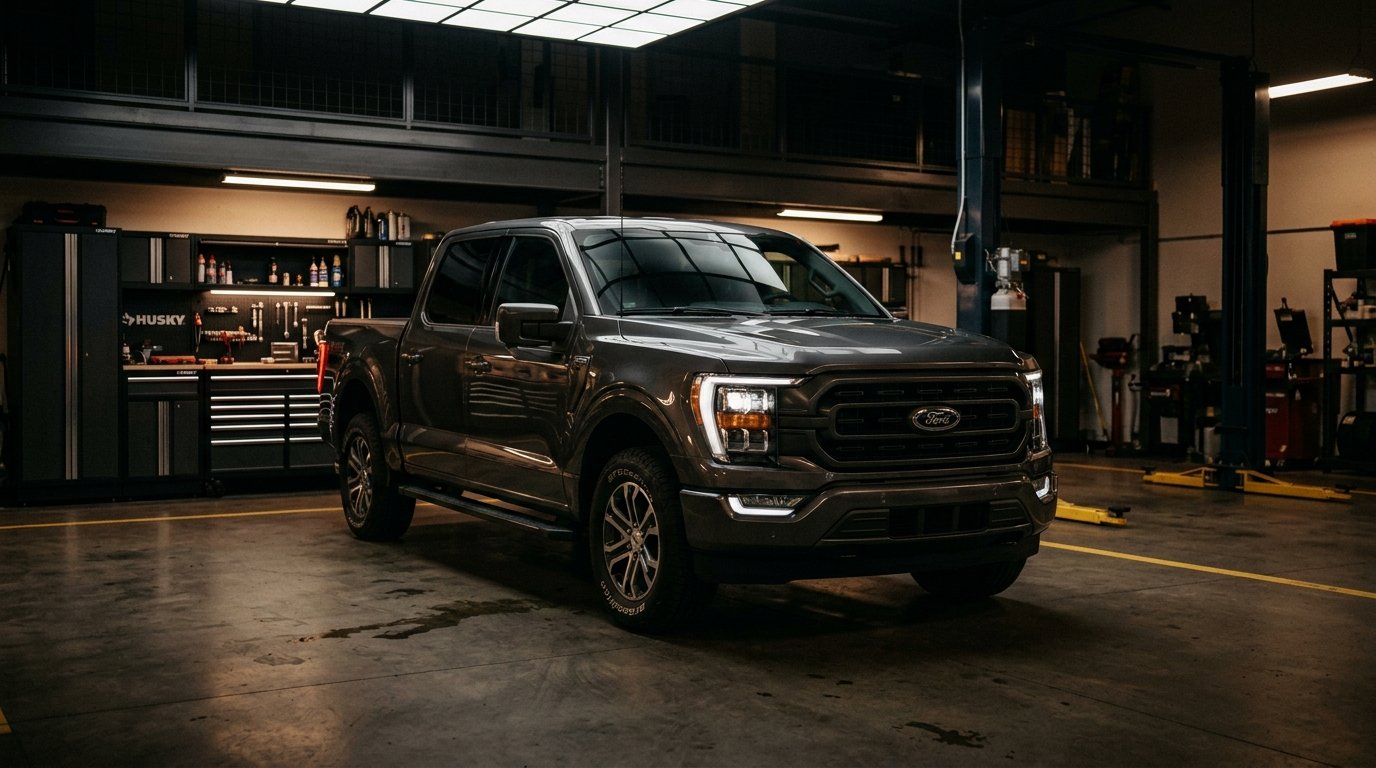
FORD F-150 COMMON PROBLEMS AND REPAIR COSTS
INTRODUCTION Purchasing a used Ford F-150 represents a significant investment, offering formidable capability and utility, but a poor choice can quickly deplete your savings with unexpected repairs. Understanding the common mechanical and structural weaknesses of various F-150 generations is paramount to making a sound decision. This comprehensive guide details the most frequent problems reported by F-150 owners, provides specific mileage benchmarks, and outlines realistic repair cost estimates. Equip yourself with the knowledge necessary to navigate the used truck market and secure a reliable Ford F-150.
WHY THIS MATTERS The Ford F-150 consistently ranks as America's best-selling vehicle, a testament to its enduring appeal and functionality. This widespread popularity translates to an abundant used market, but also a wide spectrum of vehicle conditions and potential hidden issues. A pristine looking F-150 might harbor a ticking time bomb engine or a problematic transmission, easily leading to repair bills totaling $3,000 to $7,000 within the first year of ownership. Conversely, an informed buyer can leverage market knowledge to secure a well-maintained example, avoiding these pitfalls and enjoying thousands of dollars in savings over the truck's lifespan. Recognizing specific year range vulnerabilities and proactively inspecting for them protects your financial investment and ensures long-term satisfaction with your purchase.
THE TOP 5 F-150 PROBLEMS AND YEARS
-
2004-2008 F-150 with 5.4L 3-Valve Triton V8: Cam Phasers and Timing Chain This generation's 5.4L Triton engine is notorious for cam phaser and timing chain guide failures. Symptoms typically manifest between 80,000 and 150,000 miles as a distinct ticking or knocking sound from the engine, especially at idle or low RPMs, along with potential check engine lights indicating P0011/P0021 codes. These issues are often exacerbated by insufficient oil pressure or poor maintenance. Repair involves replacing cam phasers, timing chains, tensioners, and guides, commonly costing $2,500 to $4,500. Buyer tip: Always insist on a cold start demonstration and listen intently for metallic noises from the engine bay.
-
2004-2008 F-150 with 5.4L 3-Valve Triton V8: Spark Plug Ejection/Breakage Another significant issue for the 5.4L Triton engine in these years involves the spark plugs. The original design used two-piece spark plugs which are prone to breaking during removal, requiring specialized tools and often additional labor. Furthermore, spark plug ejection from the cylinder head is a known problem, potentially causing significant engine damage. Issues typically arise during tune-ups around 60,000 to 100,000 miles. If a plug has been ejected, cylinder head repair or replacement can cost $1,500 to $3,000 per cylinder. Buyer tip: Inquire about the truck's spark plug service history and look for evidence of recent work.
-
2011-2016 F-150 with 3.5L EcoBoost V6: Timing Chain Stretch and Turbocharger Failures The early generation 3.5L EcoBoost engines are prone to timing chain stretch, often presenting as a rattling noise during a cold start, lasting for a few seconds. This issue typically appears between 90,000 and 160,000 miles. The repair involves replacing the timing chain, tensioners, and guides, costing approximately $2,000 to $3,500. Additionally, the twin turbochargers can fail prematurely, especially if oil changes are neglected, leading to a loss of power and unusual noises. Turbocharger replacement can range from $1,500 to $3,000 per turbo. Buyer tip: Listen for prolonged rattle on cold start and check for any check engine lights related to turbo boost or misfires.
-
2015-2020 F-150: 10-Speed Automatic Transmission (10R80) Hard Shifting/Clunking The 10R80 transmission, used in many F-150 models from 2017 onwards and some earlier EcoBoost models, has reported issues with rough or erratic shifting, particularly between lower gears, and occasional clunking noises. While some problems were addressed with software updates, mechanical issues can still occur. These symptoms often appear between 30,000 and 100,000 miles. Depending on the severity, transmission repair can range from $500 for a valve body replacement to $4,000-$6,000 for a full transmission rebuild or replacement. Buyer tip: Test drive the truck extensively, paying close attention to gear changes at various speeds and loads, including slow acceleration and rapid downshifts.
-
2009-2014 F-150: Rust on Rocker Panels and Wheel Arches While not a mechanical issue, significant body rust is a common and costly problem for this generation, particularly in regions that use road salt. The rocker panels, rear wheel arches, and even the cab corners are susceptible to severe corrosion. This is often more than just a cosmetic flaw, compromising structural integrity. Repairing extensive rust can involve cutting out and welding in new metal, costing anywhere from $1,000 to $3,000 per side, depending on the extent of damage. Buyer tip: Thoroughly inspect these specific areas, looking for bubbling paint, holes, or visible rust during daylight hours and consider the vehicle's history in salty climates.
WHAT TO CHECK BEFORE YOU BUY
- Engine Noise: Start the truck cold and listen for any ticking, knocking, or prolonged rattling. Pay particular attention to the 5.4L Triton and 3.5L EcoBoost engines.
- Transmission Operation: During a comprehensive test drive, observe all gear changes for smoothness, delays, or harsh clunks, especially in lower gears and during deceleration.
- Oil Condition: Pull the dipstick and check for proper oil level, color, and consistency. Milky residue indicates potential coolant contamination, while excessively dark or sludgy oil suggests neglect.
- Coolant Reservoir: Inspect the coolant level and color in the reservoir. Look for any oil contamination or sediment, which could signal head gasket or oil cooler issues.
- Body Rust: Carefully inspect the rocker panels, wheel arches, cab corners, and tailgate for any signs of bubbling paint, rust holes, or repairs that might mask underlying corrosion.
- 4WD Engagement: If equipped, engage 4-wheel drive in both high and low ranges in a safe area to ensure the system operates smoothly without grinding, binding, or clunking sounds.
- Rear Window Seal (SuperCrew): Check the interior headliner around the rear window for water stains, which indicate a leaking seal requiring replacement, a common issue on SuperCrew models.
COST OF OWNERSHIP OVER 5 YEARS Owning a used Ford F-150 involves a range of expenses beyond the initial purchase price. Typical annual maintenance, including oil changes, tire rotations, air filter replacements, and brake inspections, generally costs between $500 and $1,000. However, expect to allocate an additional $1,000 to $2,000 per year for potential major repairs, especially if purchasing an older model or one with higher mileage, as issues like those detailed above are not uncommon.
Fuel costs represent a significant ongoing expense. Depending on the engine (e.g., 2.7L EcoBoost, 3.5L EcoBoost, 5.0L V8, 5.4L V8) and driving habits, F-150s typically achieve 15 to 22 miles per gallon in mixed driving. At current fuel prices, an average driver covering 12,000 miles annually will spend approximately $2,000 to $3,000 on gasoline each year. This makes efficient driving and selecting the right engine for your needs crucial.
Insurance premiums for an F-150 can vary widely based on location, driver history, coverage limits, and the specific model year and trim. Expect to pay anywhere from $1,200 to $2,500 annually for comprehensive coverage. Tires, given their size and the truck's weight, are another notable expenditure, with a set of quality all-terrain tires often costing $800 to $1,500 and lasting roughly 40,000 to 60,000 miles. Over a five-year period, a used F-150 could easily cost between $25,000 and $40,000 in total ownership expenses, emphasizing the importance of a diligent pre-purchase inspection.
OUR VERDICT For used truck buyers, the Ford F-150 remains a compelling option due to its versatility and widespread parts availability. However, a blanket recommendation is impossible given the significant differences across generations and engine choices. We recommend proceeding with caution, especially with 2004-2008 models equipped with the 5.4L Triton engine and early 3.5L EcoBoost trucks from 2011-2016, as these often present the highest repair risks. Prioritize models from 2015 onwards, particularly those with the 5.0L V8 or later generation EcoBoost engines, which generally exhibit improved reliability. Alternatives like the Toyota Tundra or Chevrolet Silverado may offer different reliability profiles worth considering for those seeking fewer potential headaches.
FREQUENTLY ASKED QUESTIONS
Q: What is a good budget for a reliable used Ford F-150? A: A budget of $15,000 to $25,000 generally opens up more reliable options, typically from the 2015-2018 model years, offering better features and fewer known systemic issues than older, cheaper trucks. While F-150s under $10,000 exist, they often come with significant mileage and a higher risk of immediate, costly repairs.
Q: What mileage is too high for a used Ford F-150? A: While many F-150s can exceed 200,000 miles with diligent maintenance, purchasing a truck with over 150,000 miles significantly increases the likelihood of needing major component replacements like transmissions, turbos, or timing components. Focus on documented service history more than just the odometer reading.
Q: Which specific F-150 years should be avoided? A: The 2004-2008 F-150s with the 5.4L 3-valve Triton V8 engine are notorious for cam phaser, timing chain, and spark plug issues, making them high-risk purchases without thorough inspection and service history. Early 2011-2014 3.5L EcoBoost models also had known timing chain and turbocharger weaknesses to consider.
Q: What are the most common known issues with the Ford F-150? A: Historically, the most prevalent issues include engine problems such as cam phaser failure and spark plug breaking/ejection (5.4L Triton), timing chain stretch (3.5L EcoBoost), and turbocharger failure (3.5L EcoBoost). Transmission hard shifting, power steering pump leaks, and body rust on older models are also frequently reported concerns.
Q: How much does annual maintenance typically cost for a Ford F-150? A: Routine annual maintenance for an F-150, encompassing oil changes, tire rotations, and basic inspections, usually falls in the range of $500 to $1,000. This estimate does not include major repairs or unexpected component failures, which can add several thousands of dollars annually.
Q: Do Ford F-150 trucks hold their resale value well? A: Yes, the Ford F-150 generally holds its resale value very well due to its enduring popularity, strong brand recognition, and versatility. Well-maintained examples, especially those with desirable trims or powertrains, often command strong prices in the used market, making it a relatively sound investment if purchased wisely.