
Ford Mustang Years to Avoid (Worst to Best Ranked)
Our comprehensive guide reveals the Ford Mustang years to avoid, ranking every model from the worst offenders to the undisputed best for your garage.
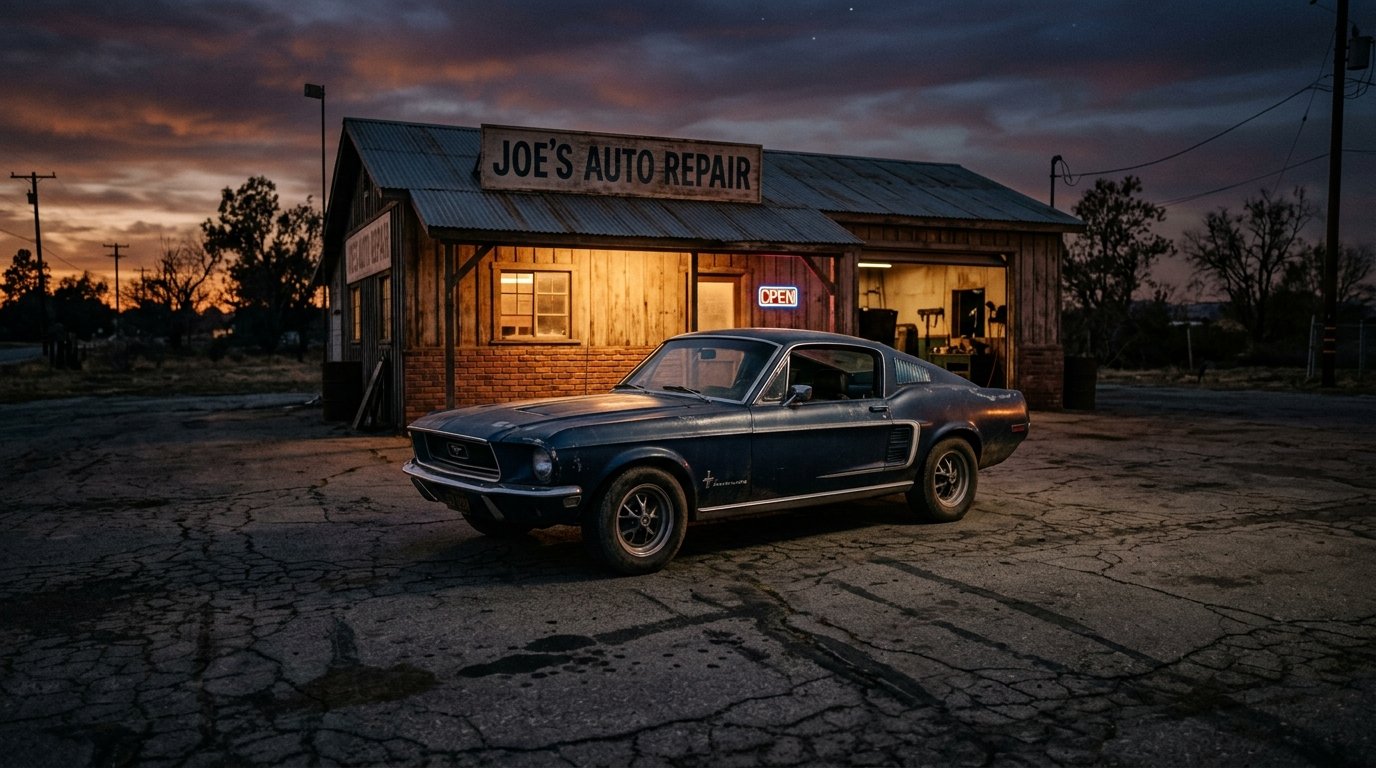
FORD MUSTANG YEARS TO AVOID (WORST TO BEST RANKED)
INTRODUCTION The allure of a Ford Mustang is undeniable, offering an iconic blend of style, performance, and heritage at an accessible price point. However, stepping into the used Mustang market without proper knowledge can quickly turn that dream into a financial burden. This article dissects various Mustang generations and specific model years, highlighting common reliability pitfalls and identifying the most robust options. We provide actionable advice for used car buyers to help secure a reliable pony car rather than a garage ornament.
WHY THIS MATTERS Purchasing a used Ford Mustang represents a significant financial commitment, typically ranging from $8,000 for older, higher-mileage examples to $35,000 or more for recent models. The difference between a well-researched buy and an impulsive decision can easily be thousands of dollars in unexpected repairs. For instance, a common engine issue like a blown head gasket on an older V8 can demand $1,500 to $2,500 in shop costs, while transmission replacement might run $2,000 to $3,500. Ignoring known model-year vulnerabilities can lead to frequent breakdowns, substantial repair bills, and a diminished ownership experience. Understanding which years to prioritize, and more importantly, which to approach with extreme caution, is crucial for protecting your investment and ensuring long-term driving enjoyment.
THE RANKINGS / THE YEARS
-
2005-2010 (S197 Generation 1) V6 and Early V8 This generation, while a significant design leap, brought its own set of problems. The 4.0L V6 engines are notorious for timing chain tensioner failures, leading to loud engine rattles and requiring repairs costing $1,800 to $2,500 around 80,000 to 120,000 miles. Early 4.6L 3V V8 engines from 2005-2008 are infamous for spark plugs seizing and breaking off in the cylinder heads during removal, turning a simple tune-up into a $500 to $1,000 ordeal. The 5R55S automatic transmission is also prone to shuddering and premature failure between 80,000 and 120,000 miles, with repair bills ranging from $800 for solenoid packs to $2,500 for a full rebuild. Buyer Tip: Insist on documented proof of spark plug replacement if considering a 3V V8, and listen carefully for engine rattles on V6 models. Thoroughly test the automatic transmission for smooth, consistent shifts.
-
1996-2004 (SN95 New Edge) 4.6L V8 and V6 The 4.6L SOHC 2V V8 found in these models is generally robust but has one major Achilles' heel: the all-plastic intake manifold. These manifolds are prone to cracking, particularly around the thermostat housing, leading to coolant leaks and potential engine overheating. This issue typically appears around 60,000 to 100,000 miles, with replacement costing $600 to $900. Additionally, some examples, especially the GTs, suffered from head gasket failures around 80,000 to 120,000 miles, which is a major engine-out repair often exceeding $1,500 to $2,500. The 4R70W automatic transmission can also be problematic after 100,000 miles. Buyer Tip: Visually inspect the intake manifold for cracks or signs of coolant leaks. Check the coolant reservoir for oil residue, which can indicate head gasket issues.
-
2011-2012 (S197 Generation 2) Early Coyote V8 The introduction of the 5.0L Coyote V8 in 2011 was a game-changer for Mustang performance, but early versions were not without their quirks. Some 2011-2012 Coyote engines developed a notable "ticking" or "rattling" noise, often attributed to cam phasers or timing chain components. While not always catastrophic, these noises are indicative of premature wear and can require repairs upwards of $1,500 to $3,000 to resolve, typically surfacing between 50,000 and 100,000 miles. The 6R80 automatic transmission in these early years also had occasional reports of rough shifts or delayed engagement. Buyer Tip: During a cold start and after the engine is warm, listen intently for any persistent ticking or rattling sounds from the engine bay. Confirm that the automatic transmission shifts smoothly through all gears on a test drive.
-
1979-1993 (Fox Body) General Age-Related Issues The iconic Fox Body Mustang is beloved, but any example from this era will be at least 30 years old. Reliability is less about specific design flaws and more about accumulated wear, neglect, and the sheer age of components. Expect deteriorated rubber bushings, worn suspension components, corroded wiring, and fatigued engines/transmissions. While the 5.0L V8 is legendary for its durability, it is often paired with transmissions and rear ends that have endured decades of hard driving. Rebuilding a tired engine can cost $2,000 to $4,000, and a full suspension refresh might run $1,000 to $2,000. Buyer Tip: Focus on thorough pre-purchase inspection by a specialist familiar with vintage Mustangs. Prioritize examples with comprehensive service records and minimal signs of rust or extensive modifications.
-
1994-1995 (SN95 Generation 1) 5.0L V8 and V6 These years represent a transition period, still utilizing the venerable 5.0L HO V8 but in a heavier, more refined SN95 chassis. While the 5.0L V8 is generally stout, age and previous owner neglect are the primary concerns. Common issues include worn T5 manual transmission synchros, aging electrical systems, and cracked vacuum lines leading to performance issues. The 3.8L V6 in this generation is largely forgettable and prone to head gasket failures around 80,000-120,000 miles, costing $1,200-$2,000 to repair. Buyer Tip: Look for V8 models with a good service history. Inspect the V6 models very carefully for coolant leaks or signs of head gasket issues. Test drive the manual transmission extensively for smooth shifts and clutch operation.
-
2013-2014 (S197 Generation 2) Late Coyote V8 & V6 By these model years, the S197 platform and its powertrains had matured significantly. The 5.0L Coyote V8 saw its initial teething issues largely resolved, and the 3.7L V6 became a truly competent and reliable engine. The 6R80 automatic transmission also benefited from software refinements and improved durability. These models offer a fantastic blend of modern performance and proven reliability, making them an excellent value on the used market. Buyer Tip: These are generally solid choices. Focus on standard used car checks: accident history, rust, tire wear, and general maintenance records. An independent pre-purchase inspection is still a wise investment.
-
2018-Present (S550 Generation 2) Refreshed Coyote V8 & EcoBoost The refreshed S550 Mustang, starting with the 2018 model year, represents the pinnacle of modern Mustang reliability. The 5.0L Coyote V8 received further enhancements, and the optional 10-speed automatic transmission is a highly praised, robust unit. The EcoBoost 2.3L four-cylinder also offers strong, reliable performance when properly maintained. While newer, higher purchase prices are a factor, the risk of significant unexpected repairs is considerably lower. Buyer Tip: These vehicles are newer, so mileage will be lower and prices higher. Look for certified pre-owned options if possible. Be wary of heavily modified examples, as performance upgrades can negatively impact long-term reliability if not installed correctly.
WHAT TO CHECK BEFORE YOU BUY
- Engine Coolant: Pull the radiator cap (only when cold) and check the coolant for proper level, color, and any signs of oil contamination or rusty residue.
- Engine Oil: Pull the dipstick and inspect the oil level, color, and consistency. Milky or frothy oil suggests coolant contamination, a sign of a head gasket issue.
- Transmission Fluid: If the vehicle has an automatic transmission with a dipstick, check the fluid for proper level, a clear reddish color, and ensure it does not smell burnt. On a test drive, ensure shifts are smooth.
- Undercarriage Inspection: Get the car on a lift if possible. Look for significant rust on the frame, suspension components, and exhaust system. Inspect for any active fluid leaks.
- Suspension Components: Bounce each corner of the car to check for worn shocks. Listen for clunks or squeaks over bumps during a test drive, indicating worn bushings or ball joints.
- Brake System: Visually inspect brake pads and rotors through the wheels. Look for excessive rust or scoring on the rotors and ensure adequate pad thickness.
- Electronics and HVAC: Test every button, switch, window, and door lock. Ensure the air conditioning blows cold and the heater blows hot, as these can be costly repairs.
COST OF OWNERSHIP OVER 5 YEARS Owning a used Mustang, even a reliable one, involves ongoing costs beyond the purchase price. Routine annual maintenance, including oil changes (typically $100-$150 with synthetic oil), tire rotations ($50), and air filter replacements ($30-$70), can average $400-$700 per year. These figures can rise if the vehicle requires new tires (which for a Mustang can be $800-$1,500 per set), brake pad and rotor replacements ($400-$800 per axle), or other preventative services.
The risk of major repair costs depends heavily on the model year. For older Mustangs (pre-2010), budgeting an additional $1,000-$2,000 per year for unexpected repairs is prudent, as issues like intake manifold cracks, transmission failures, or head gasket problems are common and costly. Newer, more reliable models (2013-present) might only incur $300-$800 per year in unexpected repairs, primarily due to electronic glitches or minor component wear.
Fuel costs are a significant factor. A V6 Mustang typically achieves 20-25 miles per gallon, while a V8 can range from 15-20 miles per gallon. For a driver covering 12,000 miles annually, expect to spend $200-$400 monthly on fuel, depending on current gas prices and engine choice. Insurance premiums for a sports coupe like the Mustang are generally higher than for a standard sedan, ranging from $1,200-$2,500 annually based on driver age, location, and coverage.
OUR VERDICT For used Mustang buyers prioritizing reliability and a solid return on investment, the 2013-2014 S197 models, particularly with the 5.0L Coyote V8, represent the sweet spot. These years offer modern performance with most of the earlier model's powertrain kinks resolved, proving themselves to be robust and dependable. If budget allows, the 2018-present S550 models provide an even more refined and reliable experience, albeit at a higher initial cost. Avoid the early S197 (2005-2010) and the New Edge 4.6L (1996-2004) models unless you have a comprehensive service history and are prepared for potential major repairs, as their common failure modes can quickly erase any initial savings.
FREQUENTLY ASKED QUESTIONS
Q: What is a good budget for a reliable used Mustang? A: A budget of $15,000 to $25,000 typically secures a more reliable S197 (2013-2014) or an early S550 (2015-2017) with reasonable mileage and a better chance of fewer major issues. Budgeting below $10,000 significantly increases the risk of encountering costly repairs.
Q: What mileage is too high for a used Mustang? A: For V8 models, mileage exceeding 150,000 miles can indicate higher risk of major component wear, especially on older generations. V6 models might tolerate slightly higher mileage, but generally, seeking examples under 100,000 miles is preferred for enhanced long-term reliability.
Q: Are 2015-2017 Mustangs reliable? A: The 2015-2017 S550 generation is generally quite reliable, especially the 5.0L Coyote V8 and 3.7L V6 powertrains. Some early models experienced minor infotainment glitches, but overall, they are solid cars if properly maintained and not heavily modified.
Q: What are the most common problems with older Mustangs? A: Older Mustangs frequently suffer from intake manifold failures (SN95 4.6L), spark plug breakage during removal (2005-2008 4.6L 3V V8), head gasket issues (earlier V6s and some 4.6L V8s), and age-related electrical gremlins or suspension component wear. Transmissions can also be a weak point, particularly automatics.
Q: How much does it cost to maintain a Mustang annually? A: Expect to spend $400-$700 annually on routine maintenance like oil changes, tire rotations, and filter replacements. This figure can easily double or triple if unexpected repairs arise, especially with older, higher-mileage examples that require more frequent attention.
Q: Do Mustangs hold their value well? A: Mustangs generally hold their value better than many other sports coupes, especially special editions and V8 models. While initial depreciation is steep in the first few years, it stabilizes, making them a relatively good used car value compared to some competitors.