
Honda Accord Common Problems and Repair Costs
Uncover the most frequent Honda Accord problems – from transmission issues to AC faults – and get clear estimates on the repair costs you can expect.
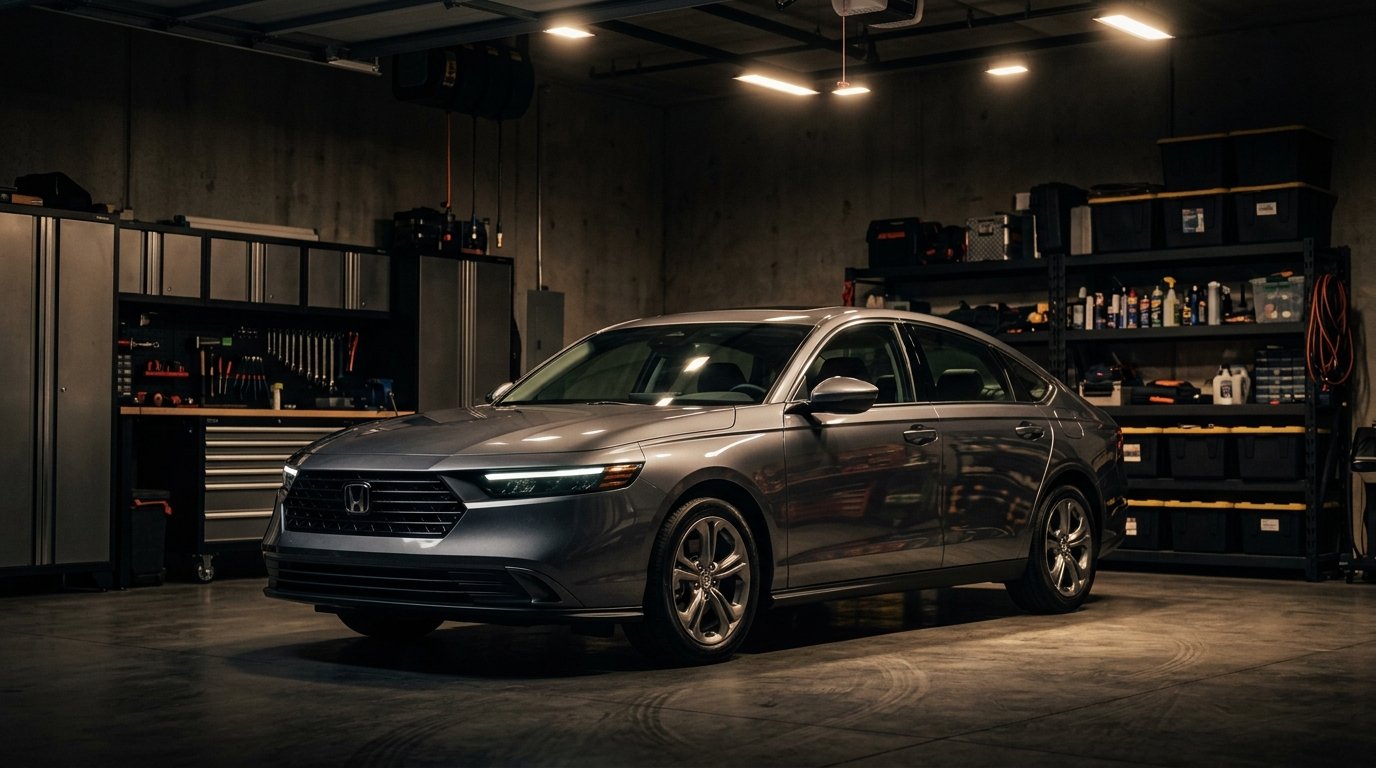
HONDA ACCORD COMMON PROBLEMS AND REPAIR COSTS
INTRODUCTION Purchasing a used car is a significant financial decision, and selecting a reliable model is paramount to avoiding unexpected expenses and headaches. The Honda Accord has a long-standing reputation for dependability, making it a popular choice in the used car market. However, even the most robust vehicles have specific weaknesses that can emerge over time. This article identifies common problems across various generations of the Honda Accord, details typical repair costs, and provides essential buying advice to help used car shoppers make an informed decision.
WHY THIS MATTERS Choosing a used Honda Accord without understanding its generational pitfalls can transform a smart investment into a money pit. A seemingly good deal on a 2005 Accord V6, for instance, could quickly be negated by a failed automatic transmission, an issue costing upwards of $3,500 to rectify. Similarly, an 8th generation Accord with a poorly maintained Variable Cylinder Management system might face premature piston ring wear, leading to oil consumption and eventually an engine overhaul costing $4,000 to $6,000. These aren't minor inconveniences; they are significant financial liabilities. Knowledge of these specific issues allows a buyer to either avoid problematic model years or negotiate a price that accounts for potential future repairs. Conversely, recognizing a well-maintained example from a less troublesome year can save thousands in long-term ownership costs, securing the value proposition that makes the Accord so attractive. This insight empowers you to identify a reliable vehicle and avoid costly ownership surprises.
THE TOP 5 / THE RANKINGS / THE YEARS
-
2003-2007 Accord V6 Automatic Transmission Failure The 7th generation Honda Accord, particularly models equipped with the V6 engine and automatic transmission, is notorious for premature transmission failure. This issue typically manifests between 70,000 and 120,000 miles, often preceded by harsh shifts or slipping. The problem stems from design flaws in the transmission's internal components, leading to excessive heat and wear. Repair Cost Estimate: A complete transmission rebuild or replacement can cost between $3,000 and $4,500, depending on parts and labor. Buyer Tip: When test driving, pay close attention to the transmission's behavior during both light and heavy acceleration. Any hesitation, grinding, or rough shifts indicate a potential problem. Always check service records for previous transmission work.
-
2008-2012 Accord V6 Variable Cylinder Management (VCM) Issues The 8th generation Accords with the 3.5-liter V6 engine feature Honda's Variable Cylinder Management system, designed to improve fuel economy by deactivating cylinders. This system is prone to excessive oil consumption due to fouled spark plugs and piston ring wear on the cylinders that are frequently deactivated. Symptoms often appear around 80,000 to 130,000 miles, including a persistent check engine light, misfires, and noticeable oil loss between changes. Repair Cost Estimate: Addressing VCM-related oil consumption can range from $1,500 for a piston ring replacement on affected cylinders to $4,000-$6,000 for a full engine overhaul in severe cases. Buyer Tip: Check the tailpipe for black soot. Confirm if VCM Muzzler or VCM disabler devices have been installed, which indicates the previous owner was aware of the issue. A compression test can reveal piston ring health.
-
2008-2012 Accord Power Steering Pump Leaks Another common problem for the 8th generation Accord is leaking power steering pumps. This often begins to show around 60,000 to 100,000 miles. Owners may notice a whine from the pump, particularly when turning the wheel, or discover power steering fluid stains under the vehicle. The leaks typically originate from the pump seals or the high-pressure hose. Repair Cost Estimate: Replacing the power steering pump usually costs between $450 and $700, while replacing the high-pressure hose can be an additional $300-$500. Buyer Tip: Inspect the power steering fluid reservoir for proper level and look for any signs of fluid weeping around the pump or hoses in the engine bay. Listen for a high-pitched whine during a cold start and when turning the steering wheel.
-
2013-2017 Accord 4-Cylinder Starter Motor Failure The 9th generation Accord models equipped with the 2.4-liter 4-cylinder engine are known for premature starter motor failure. This issue typically arises between 80,000 and 120,000 miles. Symptoms include a distinct single click when attempting to start the vehicle, followed by no engine crank, or slow, labored cranking. The failure is due to internal wear of the starter components. Repair Cost Estimate: A new starter motor replacement can cost between $400 and $700, including parts and labor. Buyer Tip: Ensure the car starts consistently and strongly during a cold start. If possible, attempt multiple starts to ensure reliability. Listen for any unusual sounds during the cranking process.
-
2018-2022 Accord 1.5T Engine Oil Dilution The 10th generation Accord, particularly models with the 1.5-liter turbocharged engine, has reported issues with gasoline mixing with engine oil, known as oil dilution. This can occur at various mileages, sometimes as early as 30,000-50,000 miles, particularly in colder climates or with frequent short trips. Symptoms include an elevated oil level on the dipstick, a strong gasoline smell from the engine oil, and potentially reduced engine performance or longevity. Honda has issued software updates and extended warranties for some vehicles. Repair Cost Estimate: While a software update might be free, sustained oil dilution can lead to premature engine wear. A long-term solution might involve more extensive engine work, potentially costing thousands if internal components are affected. Buyer Tip: Pull the oil dipstick and smell the oil for a strong gasoline odor. Ensure the oil level is not significantly above the full mark. Inquire about any performed software updates related to this issue.
WHAT TO CHECK BEFORE YOU BUY
- Review service records: Always request a detailed history of all maintenance and repairs, paying close attention to transmission services, oil changes, and any recall work.
- Inspect for fluid leaks: Examine the ground under the parked vehicle and the engine bay for any drips or stains of oil, coolant, power steering fluid, or transmission fluid.
- Listen to the engine and transmission: During a cold start and test drive, listen for unusual noises like whines, clunks, grinding, or rough idling. Pay attention to how the transmission shifts, ensuring it is smooth and consistent.
- Check the oil dipstick: Pull the dipstick and inspect the oil's color and consistency. Milky residue suggests coolant contamination, while a strong gasoline smell indicates oil dilution. Ensure the oil level is not excessively high.
- Test all electrical components: Verify that the power windows, door locks, infotainment system, climate control, and all exterior and interior lights function correctly.
- Examine tire wear: Uneven tire wear patterns can indicate alignment issues or suspension problems, which could be costly to correct.
- Inspect the undercarriage: Look for signs of significant rust, previous accident damage, or components that appear bent or poorly repaired.
COST OF OWNERSHIP OVER 5 YEARS The overall cost of ownership for a Honda Accord is generally favorable when compared to many competitors, primarily due to its reputation for reliability and efficient engines. Over five years, typical annual maintenance for a well-kept Accord might average between $350 and $550. This includes routine oil changes, tire rotations, air filter replacements, and brake inspections. As the vehicle ages and approaches 100,000 to 150,000 miles, major service items like timing belt replacements (for older V6 engines), spark plugs, and suspension component wear can increase these costs.
Major repair risks, as detailed above, are the primary variable. An Accord with known issues that has not been addressed, such as a failing VCM system or a problematic automatic transmission, could incur repair bills ranging from $1,500 to $6,000. It is crucial to factor these potential costs into the purchase decision. Avoiding models known for specific expensive failures or ensuring they have already been remedied significantly mitigates this risk.
Fuel costs will vary depending on the engine and driving habits. A 4-cylinder Accord typically achieves combined fuel economy ratings between 26 and 33 miles per gallon, while V6 models usually fall between 22 and 28 miles per gallon. Assuming 12,000 miles driven per year and an average fuel price of $3.50 per gallon, annual fuel costs could range from $1,270 to $1,900. Insurance premiums for Accords are generally moderate, reflecting their safety ratings and low theft rates. Annual insurance costs can range from $900 to $1,800, influenced by the driver's age, location, driving record, and chosen coverage.
OUR VERDICT The Honda Accord remains a highly recommended used car, but with critical caveats for specific generations and engine configurations. Buyers should approach 7th generation V6 models (2003-2007) with extreme caution due to transmission issues. Similarly, 8th generation V6 models (2008-2012) require careful inspection for VCM-related oil consumption and power steering leaks. For those seeking maximum reliability, the 4-cylinder 8th and 9th generation Accords offer a more robust proposition, provided the 9th generation's starter motor is addressed. The 10th generation 1.5T models should be checked for oil dilution, though many have received software updates. Consider a well-maintained 4-cylinder 2008-2012 or 2013-2017 Accord as the sweet spot for value and dependability. For those with a higher budget, a post-2018 2.0T model or one of the excellent Accord Hybrids represents a strong alternative with fewer reported issues.
FREQUENTLY ASKED QUESTIONS
Q: What is the best budget for a reliable used Honda Accord? A: For a reliable used Accord with a reasonable lifespan ahead, plan on a budget of $8,000 to $15,000. This range typically secures well-maintained 8th or 9th generation models, often with the more robust 4-cylinder engine.
Q: At what mileage should I avoid a used Honda Accord? A: There is no strict mileage to avoid, as maintenance history is more crucial. However, Accords over 180,000 miles, especially without thorough service records, significantly increase the risk of needing major repairs soon.
Q: Which specific Honda Accord years are considered most reliable? A: The 4-cylinder models of the 8th generation (2008-2012) and 9th generation (2013-2017) Accords are generally considered among the most reliable, avoiding the V6-specific issues of their contemporaries.
Q: Are there any known widespread issues with all Honda Accords, regardless of year? A: While no single issue plagues all generations, routine maintenance negligence is a common downfall. Neglected fluid changes and deferred minor repairs inevitably lead to more significant, costlier problems across any model year.
Q: How much should I expect to pay for annual maintenance on an Accord? A: Expect to pay approximately $350 to $550 annually for routine maintenance on a used Honda Accord. This figure will increase as the vehicle ages and approaches major service intervals or requires wear-and-tear component replacements.
Q: Does the Honda Accord hold its resale value well? A: Yes, the Honda Accord traditionally holds its resale value very well. Its reputation for reliability, fuel efficiency, and widespread appeal makes it a desirable vehicle on the used market, contributing to slower depreciation compared to many rivals.