
Honda Civic Common Problems and Repair Costs
Identify common Honda Civic problems and their repair costs with our expert guide to budget wisely and keep your car reliable, saving you money.
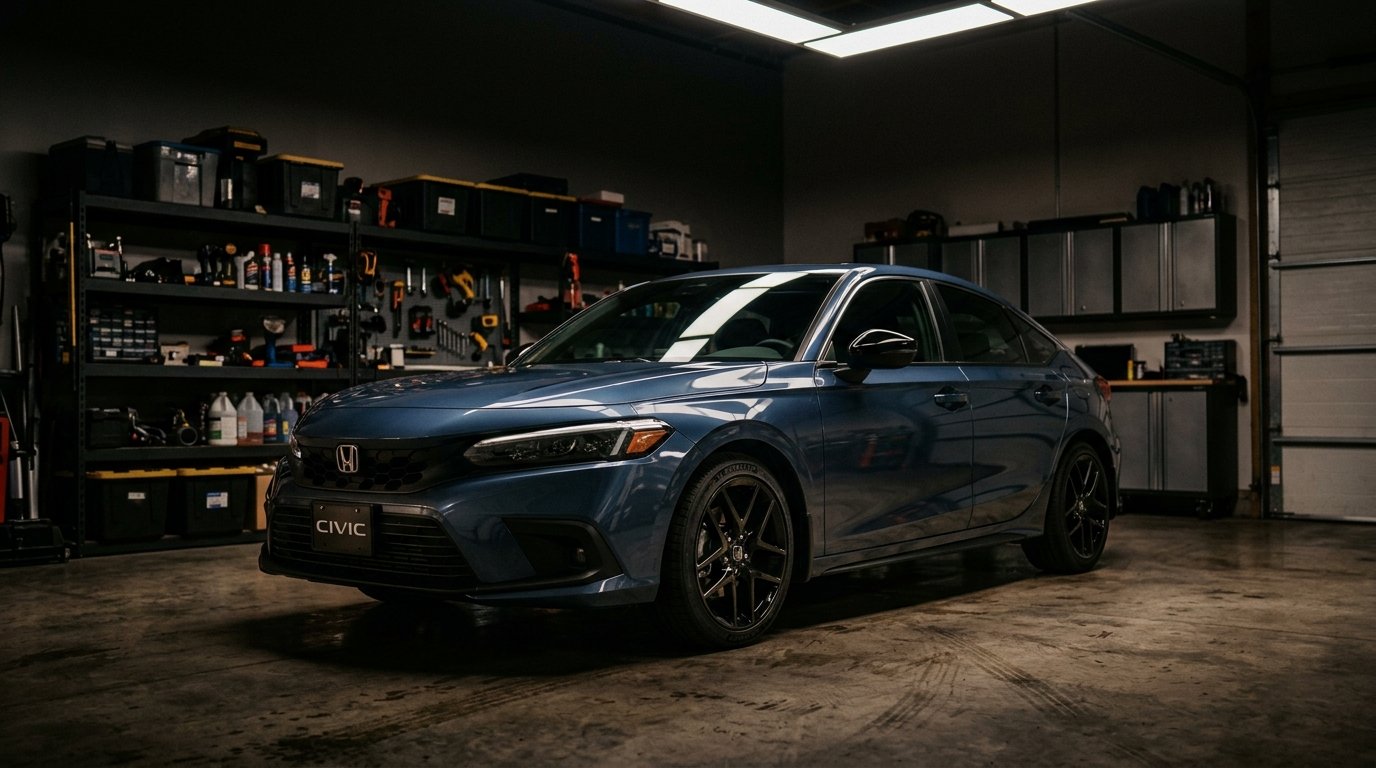
INTRODUCTION A used Honda Civic can represent either an outstanding value proposition or an unexpected financial burden, depending largely on the model year and its known vulnerabilities. Understanding the specific common problems and their potential repair costs is absolutely essential for any prospective buyer looking to make a wise investment. This comprehensive article delves into the most prevalent issues spanning several popular Civic generations, providing detailed insights into typical failure modes, the mileage at which these issues often surface, and precise repair cost estimates. Equip yourself with this critical knowledge to confidently navigate the used Civic market and secure a reliable vehicle.
WHY THIS MATTERS Purchasing a used car without a clear understanding of its common pitfalls can quickly erode any initial savings, transforming a seemingly good deal into a costly regret. For a Honda Civic, a vehicle often praised for its durability, overlooking specific generational weaknesses can result in thousands of dollars in unforeseen expenses. These costs can range from several hundred dollars for an air conditioning compressor replacement to upwards of three thousand dollars for a major engine or transmission overhaul. An informed buyer, however, can leverage this detailed knowledge to identify higher-risk model years, negotiate a lower purchase price by perhaps 10 to 20 percent, or steer towards a more robust generation altogether. This proactive approach can easily save a buyer an average of $2,000 to $4,000 in potential repairs within the first few years of ownership, ensuring the vehicle remains a true asset rather than a liability.
THE TOP 5 / THE RANKINGS / THE YEARS
-
2006-2009 Honda Civic: Cracked Engine Blocks The 1.8-liter R18A1 engine found in these Civics is infamously susceptible to developing hairline cracks in the engine block, particularly near the water pump or between cylinders. This serious issue typically surfaces between 70,000 and 150,000 miles, leading to persistent coolant loss, chronic overheating, and eventual engine failure if ignored. Although Honda issued an extended warranty for this defect, most affected vehicles are now outside that coverage period. Repair involves replacing the engine block or the entire long block assembly, a costly undertaking ranging from $2,800 to $4,500, including parts and labor. Buyer Tip: Look meticulously for signs of coolant leaks, unexplained coolant consumption, or persistent low coolant levels. A pre-purchase inspection must include a thorough engine block visual check and a cooling system pressure test.
-
2001-2005 Honda Civic: Automatic Transmission Failures The 7th generation Civic is well-known for premature failures of its automatic transmissions. Owners frequently report symptoms such as slipping gears, delayed engagement into drive or reverse, harsh shifts, or complete loss of power, typically occurring between 90,000 and 160,000 miles. This is attributed to design flaws in the internal clutch packs and torque converter that wear out prematurely. Rebuilding the transmission generally costs between $1,800 and $2,800, while installing a factory-remanufactured unit can run from $2,500 to $3,500. Buyer Tip: During an extended test drive, ensure the automatic transmission shifts smoothly and decisively through all gears, both when cold and thoroughly warmed up. Any hesitation, flare, or clunking is a major red flag.
-
2006-2011 Honda Civic: Clear Coat and Paint Peeling Honda Civics from this specific era, especially those in darker colors such as black, blue, and red, are highly prone to clear coat degradation and eventual paint peeling. This cosmetic defect is most common on horizontal surfaces like the hood, roof, and trunk lid, becoming noticeable after 8 to 10 years of sun exposure, regardless of mileage. While not a mechanical problem, it significantly detracts from the vehicle's appearance and negatively impacts its resale value. The cost for professional repainting of affected panels can range from $500 to $1,500 per panel, or $2,000 to $4,000 for a comprehensive exterior repaint. Buyer Tip: Examine all painted surfaces under bright, natural light for dull, faded, chalky, or flaking areas. Factor these potential reconditioning costs into your negotiation strategy.
-
2006-2011 Honda Civic: Air Conditioner Compressor Failures The AC compressor in 8th generation Civics is a recognized weak point, often failing to engage or producing inadequate cooling. Common indicators include a noticeable clicking sound from the engine bay when the AC is activated, or simply a lack of cold air from the vents. These failures typically occur between 80,000 and 140,000 miles. The compressor clutch can also fail independently of the compressor unit itself. Replacing the AC compressor, along with the accumulator/drier and sometimes the condenser, usually costs between $800 and $1,500. Buyer Tip: Always thoroughly test the air conditioning system. Ensure it blows consistently cold air from all vents and that the compressor cycles on and off without any unusual noises or prolonged engagement.
-
2012-2015 Honda Civic: Infotainment System Glitches and Bluetooth Issues While generally mechanically robust, the 9th generation Civics can present frustrating electrical annoyances, particularly concerning the Display Audio infotainment system. Owners frequently report unresponsive touchscreens, intermittent Bluetooth connectivity dropouts during calls or streaming, navigation system freezes, and sporadic audio cutouts. These problems can manifest at any mileage. Initial remedies often involve software updates, which may be free, but a complete hardware replacement of the head unit can be expensive, typically ranging from $800 to $1,500 if purchased new from Honda. Buyer Tip: Spend ample time interacting with the infotainment system. Pair your phone, make a test call, check Bluetooth audio streaming, and verify navigation functionality to ensure all systems are responsive and stable.
WHAT TO CHECK BEFORE YOU BUY
- Pull the oil dipstick and carefully examine the oil's color and consistency; milky residue signals a potential coolant leak, while very dark, gritty oil suggests neglected maintenance.
- Inspect the coolant reservoir for proper fluid level and color; brown, sludgy coolant often indicates rust or oil contamination, and an empty reservoir points to a significant leak.
- Observe the exhaust for any unusual smoke upon cold startup and during acceleration; blue smoke signifies burning oil, black smoke suggests an overly rich fuel mixture, and white smoke can be burning coolant.
- Test all power windows, door locks, side mirrors, and the sunroof multiple times to ensure they operate smoothly, consistently, and without any hesitation or grinding noises.
- Examine all four tires for even wear across the tread; irregular wear patterns, such as cupping or excessive wear on the inner or outer edges, often indicate alignment issues or worn suspension components.
- During a safe test drive, apply the brakes firmly; listen for any grinding, squealing, or pulsation through the pedal, which points to worn pads, warped rotors, or seized calipers.
- Confirm that the check engine light illuminates briefly when the ignition is turned to the "on" position and then extinguishes, indicating the bulb is functional and no active fault codes are present.
COST OF OWNERSHIP OVER 5 YEARS
Owning a used Honda Civic typically represents a very sensible financial choice, yet specific generations present unique cost profiles. For a well-maintained Civic from the mid-2000s to early 2010s, annual routine maintenance, including regular oil changes, tire rotations, and cabin air filter replacements, generally falls between $250 and $450. Major service intervals, such as spark plug replacement or transmission fluid changes, can elevate that annual average in certain years, potentially reaching $600 to $800.
The most significant financial unknown in long-term ownership for a Civic from the 2006-2009 cracked block era or the 2001-2005 automatic transmission issue generation is the risk of a catastrophic repair. Should one of these well-documented major failures occur, a buyer could suddenly face an expense ranging from $1,800 to $4,500, fundamentally altering the entire cost of ownership equation. More recent generations, such as the 9th (2012-2015) and 10th (2016-2021) models, typically carry a much lower inherent risk of major mechanical failures, with common issues usually costing less than $1,000 to rectify.
Fuel costs are consistently favorable for most Civic models. With typical combined fuel economy ratings of 28-35 MPG, annual fuel expenses generally range from $1,500 to $2,000, assuming average driving habits and prevailing gasoline prices. Insurance premiums for a Honda Civic are typically moderate, often ranging from $1,200 to $1,800 per year for comprehensive coverage, depending heavily on the driver's history, geographic location, and selected coverage limits. Over a five-year period, a buyer can realistically anticipate total ownership costs, encompassing maintenance, fuel, and insurance, but excluding unforeseen major repairs, to fall within the range of $15,000 to $25,000, assuming an initial purchase price of $8,000 to $15,000.
OUR VERDICT
A used Honda Civic is generally a recommended purchase, but this recommendation comes with critical model year-specific caveats. The 7th generation (2001-2005) with its automatic transmission vulnerabilities means only manual transmission versions or meticulously maintained automatics with documented transmission replacements are truly safe bets. The 8th generation (2006-2011) carries the substantial risk of cracked engine blocks in the 1.8L engine and pervasive clear coat degradation. For these years, an exceptionally thorough pre-purchase inspection focusing intently on the engine is paramount, and a budget for potential paint correction should be included.
For maximum intrinsic reliability and lower inherent long-term risk, the 9th generation (2012-2015) and especially the 10th generation (2016-2021) models are generally superior choices, offering improved mechanical robustness, though the 9th generation does have some infotainment system quirks. While older models offer greater initial affordability, the potential for high-cost repairs necessitates a larger emergency fund and diligent pre-purchase scrutiny. If budget permits, prioritize a 9th or 10th generation Civic, or consider highly reliable alternatives like the Toyota Corolla from similar years if the specific risks associated with certain Civic generations are unacceptable.
FREQUENTLY ASKED QUESTIONS
Q: What is a good budget for a reliable used Honda Civic? A: A budget of $7,000 to $12,000 will typically grant access to more reliable 8th and 9th generation Civics, especially those with manual transmissions or comprehensive service records. For the most robust and trouble-free options, budgeting over $14,000 will open up late 9th and early 10th generation models that exhibit significantly fewer systemic flaws.
Q: What mileage is too high for a used Honda Civic? A: With diligent and proper maintenance, Honda Civics are well-known for reliably exceeding 200,000 miles. However, models over 150,000 miles, particularly the 2001-2005 automatics or 2006-2009 1.8L engines, demand heightened scrutiny for the common high-mileage issues specific to their respective generations. A well-maintained Civic at 120,000 miles can often be a superior purchase compared to a poorly cared-for example at 80,000 miles.
Q: Which specific Honda Civic years should I avoid? A: The 2001-2005 model years, especially when equipped with automatic transmissions, carry a substantial risk of costly transmission failure. Additionally, the 2006-2009 model years powered by the 1.8-liter R18A1 engine are notoriously prone to developing cracked engine blocks. Buyers should approach these specific year ranges with extreme caution and ensure exceptionally thorough pre-purchase inspections.
Q: Are there any known issues with newer Honda Civic models (2016-present)? A: Newer Civic models, specifically the 10th generation (2016-2021), are largely robust, but some owners have reported issues with infotainment system responsiveness and, occasionally, premature failure of the air conditioning condenser due to road debris impact. Turbocharged engines in certain trims also necessitate diligent oil changes and regular attention to spark plug condition.
Q: How much does it typically cost to maintain a Honda Civic annually? A: Routine annual maintenance for a Honda Civic typically ranges from $250 to $450, covering basic services like oil changes, tire rotations, and general inspections. More extensive service years, which include major fluid changes or brake work, can increase this annual expenditure to $600 to $800. These figures assume no major repairs are needed.
Q: Do Honda Civics hold their resale value well? A: Yes, Honda Civics consistently rank among the strongest performers in terms of resale value, frequently retaining 45-55% of their original value after five years, depending on the vehicle's condition and mileage. Their established reputation for reliability, excellent fuel efficiency, and broad appeal ensures robust demand in the used car market, thereby minimizing depreciation for owners.