
Honda CR-V Years to Avoid (Worst to Best Ranked)
Uncover the worst Honda CR-V years to avoid and the best models for reliability, helping you choose wisely for your next SUV.
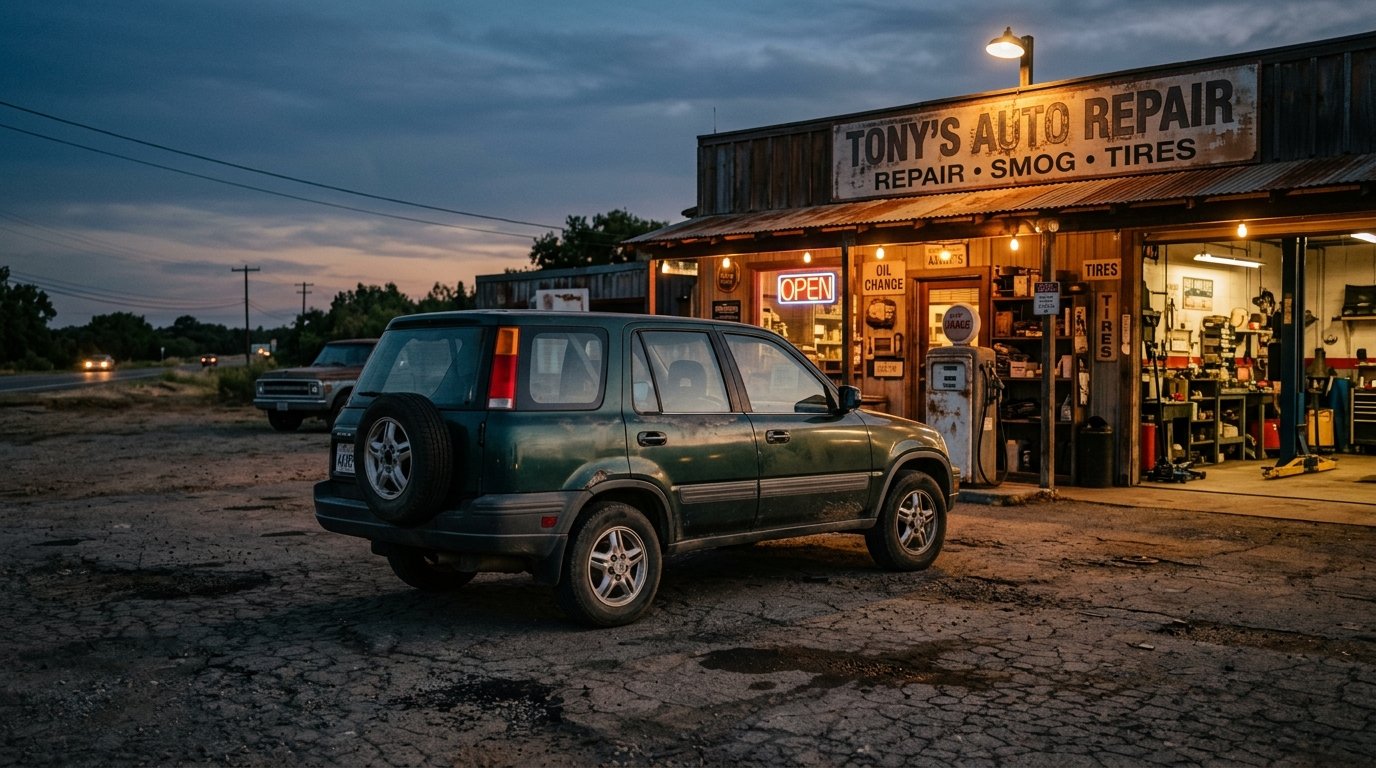
HONDA CR-V YEARS TO AVOID (WORST TO BEST RANKED)
Used car buyers face a minefield of potential financial pitfalls, and choosing the right Honda CR-V year can mean the difference between reliable transportation and a money pit. The CR-V's reputation for dependability is well-earned, but not every model year lives up to the hype, presenting distinct ownership challenges. This comprehensive guide meticulously dissects the Honda CR-V's generational history, identifying the specific model years plagued by significant reliability issues and highlighting those that stand as paragons of long-term value. We will provide detailed insights into common failure points, typical repair expenditures, and offer actionable advice for buyers navigating the used CR-V market to secure a vehicle that truly lasts.
WHY THIS MATTERS
A poor purchasing decision on a used Honda CR-V can easily cost a buyer thousands of dollars beyond the purchase price. For example, a transmission failure in an earlier generation CR-V, typically appearing between 90,000 and 150,000 miles, can incur repair costs ranging from $3,000 to $5,000 for a rebuild or replacement, instantly negating any initial savings. Air conditioning compressor failures, common in certain generations around 80,000 to 120,000 miles, will set an owner back approximately $800 to $1,500. Conversely, choosing a robust model year can translate into annual maintenance costs as low as $300 to $500, allowing owners to comfortably keep their vehicle for 200,000 miles or more with minimal unplanned expenses. This article provides the precise information needed to avoid the expensive liabilities and capitalize on the legendary reliability that smart buyers seek in a used CR-V.
THE RANKINGS
-
2015 Honda CR-V This year is notably problematic due to widespread complaints regarding a persistent vibration issue in the drivetrain, often felt through the steering wheel and seats, particularly at low speeds. While Honda issued a service bulletin for some vehicles, a definitive, universally effective fix has remained elusive for many owners. This vibration often appears between 20,000 and 60,000 miles. Beyond the vibration, the 2015 model also saw reports of excessive oil consumption, an issue stemming from piston ring design, which could lead to premature engine wear if not constantly monitored. Repairing significant oil consumption can involve an engine tear-down and piston ring replacement, costing upwards of $2,500 to $4,000. Buyer Tip: Insist on an extended test drive on various road surfaces and speeds, specifically noting any vibrations. Check service records for oil consumption complaints or engine work.
-
2007-2009 Honda CR-V (Third Generation Early Years) These early third-generation models are notorious for two significant issues: air conditioning compressor failure and excessive engine oil consumption. The AC compressor often fails between 80,000 and 120,000 miles, typically leading to a complete loss of cooling. Replacing the compressor, drier, and expansion valve can cost approximately $800 to $1,500. Additionally, the 2.4-liter i-VTEC engine in these years can exhibit noticeable oil consumption, particularly as mileage climbs past 100,000. While not always a catastrophic failure, it requires diligent monitoring and frequent top-offs, potentially hinting at piston ring wear. Buyer Tip: Verify the AC blows cold quickly and consistently. Check for signs of excessive oil consumption or blue smoke from the exhaust during startup.
-
2002-2004 Honda CR-V (Second Generation Early Years) The primary concern for these early second-generation CR-Vs revolves around automatic transmission issues. Failures ranged from rough shifting to complete transmission failure, particularly with the 4-speed automatic, often appearing between 90,000 and 150,000 miles. While not as widespread as some Honda Accord transmission problems of the era, it is a significant risk. A transmission rebuild or replacement can be a costly endeavor, typically ranging from $3,000 to $5,000. These years also saw some complaints of front suspension component wear at higher mileages, leading to clunking noises. Buyer Tip: During a test drive, pay close attention to the transmission's shifting behavior; look for any harshness, delays, or slipping. Request transmission fluid service history.
-
2017 Honda CR-V (Early Fifth Generation) While generally a strong performer, the initial year of the fifth generation CR-V faced a noticeable issue with fuel dilution in the oil, particularly affecting the 1.5-liter turbocharged engine. This problem was more prevalent in colder climates and for drivers making frequent short trips, where the engine did not fully warm up. Fuel dilution can degrade oil prematurely, potentially leading to increased engine wear over time if oil change intervals are not shortened. Honda issued software updates and extended warranties for some components. Typical mileage for noticing this issue could be as low as 20,000 to 50,000 miles. Corrective action usually involves software recalibration and diligent oil changes. Buyer Tip: Inquire if any software updates related to engine performance or fuel dilution have been performed. Consider an oil analysis if purchasing in a cold climate.
-
2012-2014 Honda CR-V (Fourth Generation) These model years represent a strong period for the CR-V, demonstrating consistent reliability across the board. The 2.4-liter i-VTEC engine and automatic transmission are generally robust, with fewer widespread, expensive issues compared to earlier or later generations. Minor complaints might include some interior trim rattles or infotainment glitches, but these are typically inexpensive to address. The primary strength here is the absence of a pervasive, high-cost mechanical flaw. Owners frequently report reaching 200,000 miles or more with only routine maintenance. Buyer Tip: Focus on vehicles with comprehensive service records. These years are prime candidates for high-mileage purchases if well-maintained.
-
2018-2022 Honda CR-V (Fifth Generation Mid-Cycle and Later) Honda addressed many of the initial fifth-generation concerns by these model years, making them highly desirable. While the 1.5-liter turbocharged engine still benefits from regular oil changes and proper warm-up, the fuel dilution issues are significantly less common or severe than in the 2017 models due to revised software and engine calibration. The CVT transmission in these years has also proven largely reliable, offering smooth operation. These CR-Vs offer a good blend of modern features, fuel efficiency, and Honda's traditional durability. The primary strength is improved overall refinement and long-term mechanical soundness. Buyer Tip: These are excellent choices, but verify previous maintenance, especially oil changes, as good upkeep maximizes their lifespan.
-
2005-2006 Honda CR-V (Late Second Generation) These final years of the second generation are widely considered the sweet spot for that era. Honda largely ironed out the earlier transmission concerns, and these models inherited the robust 2.4-liter K24A1 engine, known for its longevity. With proper maintenance, these CR-Vs are capable of easily exceeding 200,000 miles. They offer a simpler, more mechanically straightforward experience than later generations, which can translate to lower long-term repair costs. The primary strength is proven mechanical reliability without complex systems. Buyer Tip: Look for examples with documented regular fluid changes, especially for the automatic transmission and differential, as this significantly extends their life.
WHAT TO CHECK BEFORE YOU BUY
- Test Drive Thoroughly: Drive the vehicle on city streets and highways. Listen for abnormal noises like clunks, hums, or whines from the suspension, wheels, or drivetrain.
- Inspect Transmission Operation: Pay close attention to shifts. They should be smooth and predictable, without harshness, slipping, or delayed engagement. For CVTs, ensure smooth acceleration without hesitation or unusual noises.
- Check Engine Oil: Pull the dipstick and inspect the oil for proper level and color. Dark oil is normal, but milky residue indicates a coolant leak, and an overly thin, gassy smell could suggest fuel dilution in 1.5T engines.
- Activate AC and Heater: Confirm the air conditioning blows cold quickly and consistently, and the heater produces hot air without delay. Listen for unusual noises from the AC compressor when engaged.
- Examine Suspension Components: Visually inspect for torn CV boots, leaking shocks or struts, and excessively worn tires. Bounce each corner of the vehicle; it should rebound once or twice and settle.
- Look for Rust: Pay particular attention to the rear subframe, rocker panels, and wheel wells, especially in regions that use road salt, as CR-Vs can develop rust there over time.
- Verify Electricals and Interior: Test all power windows, mirrors, locks, infotainment system, and dashboard warning lights to ensure full functionality.
COST OF OWNERSHIP OVER 5 YEARS
Owning a Honda CR-V, particularly a well-chosen model year, generally translates to a lower cost of ownership compared to many competitors. Typical annual maintenance, encompassing oil changes, tire rotations, air filter replacements, and other routine inspections, can range from $350 to $600 for a well-maintained example. This figure can rise to $800 to $1,200 annually if the vehicle requires common wear items like brake pad and rotor replacement every two to three years or new tires every four to five years.
Major repair risks vary significantly by model year, as detailed in the rankings. For instance, a 2007-2009 CR-V might face an $800-$1,500 AC compressor repair, while a 2002-2004 could require a $3,000-$5,000 transmission rebuild. Choosing a more reliable year significantly mitigates the chances of these large, unexpected expenses, keeping the average annual repair costs closer to the lower end of the spectrum, perhaps $100-$300 for non-routine fixes.
Fuel costs for a CR-V will depend on the specific engine and drivetrain (FWD versus AWD), but most models average between 22 and 30 miles per gallon combined. Assuming an average of 12,000 miles driven annually and a national average gasoline price of $3.50 per gallon, annual fuel expenses would range from approximately $1,400 to $1,900. Insurance premiums are highly variable based on location, driver history, and coverage levels, but a Honda CR-V typically falls into a moderate insurance bracket, with annual costs generally ranging from $1,200 to $2,000. Over five years, a well-chosen CR-V could reasonably cost between $15,000 and $25,000 in total ownership expenses, excluding the initial purchase price, a figure that can jump significantly with just one major, avoidable repair.
OUR VERDICT
For used car buyers seeking the best blend of reliability, practicality, and long-term value in a Honda CR-V, the 2005-2006 and 2012-2014 model years stand out as highly recommended choices. These generations have largely proven themselves free of widespread, costly mechanical defects, offering robust powertrains and dependable operation well into high mileage. While earlier models present risks like transmission issues and some later models face oil consumption or fuel dilution concerns, these specific years deliver the Honda reliability pedigree without the associated headaches. They represent intelligent purchases that minimize the likelihood of unexpected financial outlays, allowing owners to focus on routine maintenance rather than major repairs.
FREQUENTLY ASKED QUESTIONS
Q: What is a good budget for a reliable used Honda CR-V? A: A budget between $8,000 and $18,000 can secure a very reliable CR-V from the recommended 2005-2006 or 2012-2014 model years, depending on mileage, condition, and trim level. Newer, low-mileage fifth-generation models from 2018 onwards will typically command prices from $20,000 to $30,000.
Q: How many miles is too many for a used Honda CR-V? A: A well-maintained Honda CR-V can reliably exceed 200,000 to 250,000 miles. Do not automatically dismiss CR-Vs with 150,000 miles or more if they have comprehensive service records demonstrating consistent maintenance, as their engines and transmissions are often built for longevity.
Q: Which specific years should I absolutely avoid when buying a CR-V? A: The 2015 model year is best avoided due to pervasive vibration complaints and oil consumption issues. The 2007-2009 models also carry significant risk with their AC compressor failures and oil consumption, while the 2002-2004 years are problematic for automatic transmission concerns.
Q: What are the most common known issues across all CR-V generations? A: Common issues, though varying by generation, include AC system failures, some degree of engine oil consumption, rust on older models, and occasional suspension component wear. Diligent maintenance and pre-purchase inspections are crucial to mitigate these risks.
Q: How much should I expect to pay for annual maintenance on a CR-V? A: Expect to budget approximately $350 to $600 annually for routine maintenance like oil changes, tire rotations, and inspections. This amount can increase to $800 to $1,200 in years requiring new tires, brakes, or other wear item replacements.
Q: Does the Honda CR-V hold its resale value well? A: Yes, the Honda CR-V consistently ranks among the best vehicles for retaining its resale value. Its reputation for reliability, fuel efficiency, and practicality ensures strong demand in the used car market, making it a sound investment for long-term ownership.