
How Long Does a Honda Civic Last? (Real Owner Data)
See how long a Honda Civic truly lasts with real owner data, revealing the average mileage and expected lifespan for your reliable vehicle.
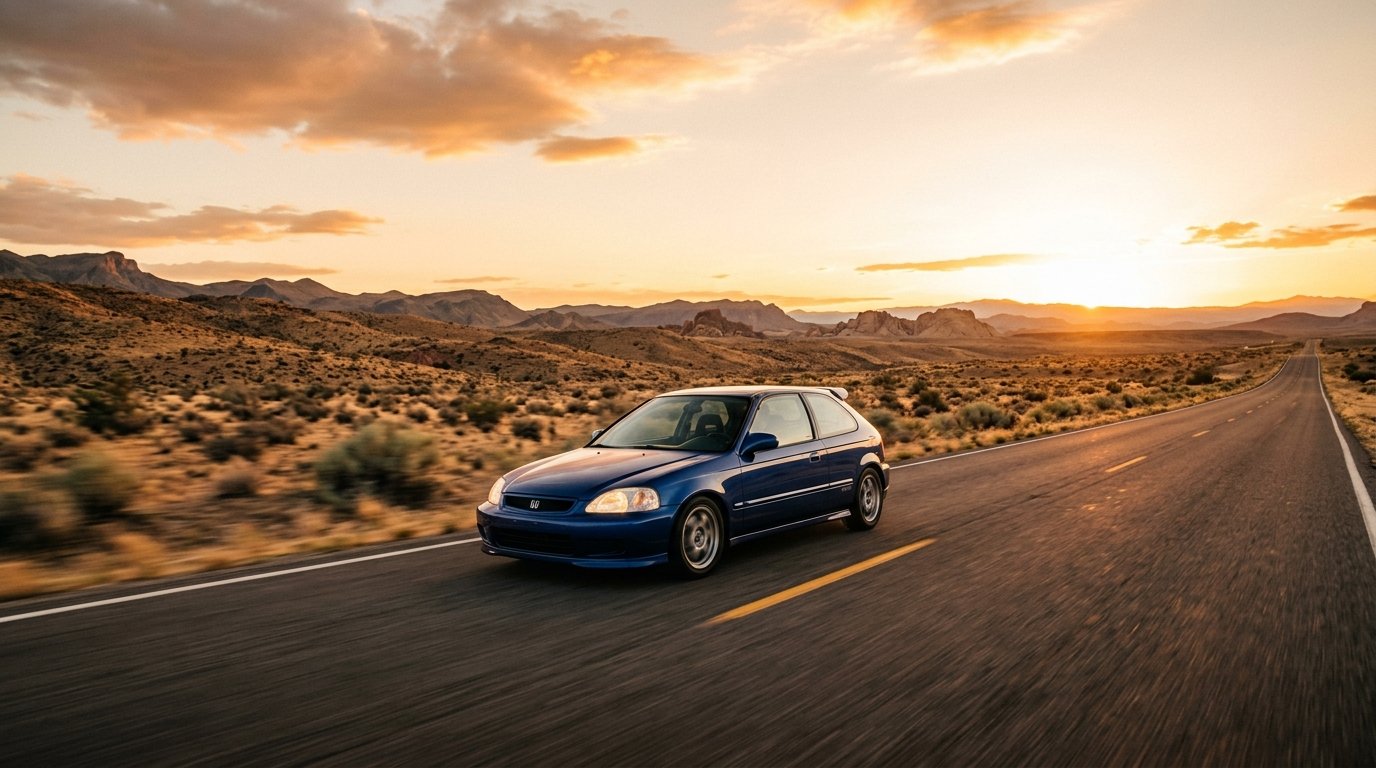
HOW LONG DOES A HONDA CIVIC LAST? (REAL OWNER DATA)
INTRODUCTION The decision to purchase a used car carries significant financial weight. A reliable vehicle can save thousands in unexpected repairs and provide peace of mind for years. Few nameplates are as synonymous with reliability as the Honda Civic, a consistent recommendation for used car buyers seeking longevity. This article delves into specific model years, common failure points, typical repair costs, and practical advice, all informed by real owner experiences to help you make an informed decision on whether a used Civic is the right investment for your hard-earned money.
WHY THIS MATTERS Investing in a used car presents a critical financial choice. A wise purchase can provide affordable, dependable transportation for well over a decade, while a poor one can quickly become a relentless drain on your finances, leading to unexpected repair bills that can rival the car's initial purchase price. For a used Honda Civic, understanding its long-term durability is the difference between a smart acquisition that depreciates slowly and holds its value, and a potential money pit. Avoiding a $3,000 transmission replacement or a $4,000 engine rebuild can directly impact your savings, your budget, and your overall financial stability. Informed buyers can select models known for reaching 200,000 or even 300,000 miles with only routine maintenance, maximizing their return on investment and ensuring reliable daily transport without fear of sudden, expensive breakdowns.
THE YEARS
-
2001-2005 Honda Civic (7th Generation) These Civics are generally robust, but the automatic transmissions are a significant weakness, particularly for the 1.7L D17 engine models. Internal component wear can lead to harsh shifting, slipping, or complete failure, typically manifesting between 90,000 and 150,000 miles. A rebuilt or replacement automatic transmission can cost $2,000 to $3,500. Manual transmission versions are far more durable. Buyer Tip: Prioritize manual transmission models. For automatics, insist on a pre-purchase inspection by a trusted mechanic who can specifically check for transmission fluid quality and shifting characteristics.
-
2006-2009 Honda Civic (8th Generation - Early Years) These years are infamous for a specific manufacturing defect: cracked engine blocks in the 1.8L R18A1 four-cylinder engine. This issue leads to coolant leaks, overheating, and ultimately engine failure, often appearing between 80,000 and 150,000 miles. Honda did offer an extended warranty for some affected vehicles, but most are now out of coverage. A used engine replacement typically costs $3,000 to $5,000. AC compressor failures are also common, costing $700 to $1,200 to repair. Buyer Tip: Avoid these years unless you have verified the engine block has been replaced or is confirmed to be defect-free. A leak-down test can help identify early signs of a crack.
-
2010-2011 Honda Civic (8th Generation - Later Years) While still part of the 8th generation, the cracked engine block issue became less prevalent in the 2010 and 2011 model years as Honda quietly made improvements. However, AC compressor failures remain a common complaint, often failing between 70,000 and 120,000 miles. Power steering pump leaks are also known, though less costly to fix. Buyer Tip: These later 8th-gen models are a safer bet than their earlier counterparts, but thoroughly test the air conditioning system and check for power steering fluid leaks around the pump.
-
2012-2015 Honda Civic (9th Generation) This generation largely corrected the major engine block issues of the 8th gen, making it a more reliable choice overall. However, some owners report excessive oil consumption, particularly in the 2012-2013 models. While not as catastrophic as an engine crack, it necessitates frequent oil top-offs and can indicate worn piston rings. Repairing this issue can cost $1,500 to $2,500 for ring replacement. Buyer Tip: Check the oil level and clarity carefully. Ask for service records to see if the previous owner frequently added oil between changes.
-
2016-2021 Honda Civic (10th Generation) Generally considered highly reliable, these Civics offer modern features and strong engines. A recurring issue, particularly on 2016-2018 models, is premature AC compressor failure or issues with the condenser. This repair can cost $800 to $1,500. Some models also experienced a fuel pump recall. Buyer Tip: Ensure the AC blows ice cold, even on a hot day. Check if any open recalls, particularly for the fuel pump, have been addressed by a Honda dealership.
WHAT TO CHECK BEFORE YOU BUY
- Engine Oil: Pull the dipstick and look for proper level, clarity, and consistency. Milky residue suggests a coolant leak into the oil; gritty texture indicates serious wear.
- Transmission Fluid: For automatics, check the fluid level and color. It should be red or dark red, not brown or black, and should not smell burnt.
- Air Conditioning: Turn the AC on max and confirm it blows cold air immediately. Listen for any unusual noises from the engine bay when the compressor engages.
- Dashboard Warning Lights: Ensure no check engine, ABS, SRS airbag, or other critical warning lights remain illuminated after starting the car.
- Test Drive: Pay attention to rough shifts, unusual engine noises, pulling to one side, or excessive vibrations at different speeds. Test brakes for shuddering.
- Rust Inspection: Closely examine wheel wells, rocker panels, undercarriage, and door bottoms for signs of rust, which can compromise structural integrity.
- Tires and Brakes: Check tire tread depth and evenness. Inspect brake pad thickness and rotor condition through the wheel spokes.
COST OF OWNERSHIP OVER 5 YEARS The Honda Civic generally boasts lower ownership costs compared to many competitors, but a comprehensive estimate considers maintenance, potential repairs, fuel, and insurance. Over a five-year period, expect routine annual maintenance, including oil changes, tire rotations, air filter replacements, and brake inspections, to average $350 to $550 per year, totaling $1,750 to $2,750. This assumes no major issues.
Major repair risks are tied to the specific model year, as outlined above. For example, a 7th generation automatic transmission replacement could cost $2,500, or an 8th generation engine block replacement could be $4,000. Factoring in one significant, unforeseen repair over five years, a realistic contingency for such events is $1,500 to $3,000, bringing total repair and maintenance closer to $3,250 to $5,750 over five years.
Fuel costs are highly dependent on mileage and fuel prices, but with average Civic fuel economy ranging from 28-35 MPG combined, a driver covering 12,000 miles annually will spend approximately $1,200 to $1,600 per year on gasoline (assuming $3.50/gallon), totaling $6,000 to $8,000 over five years. Insurance premiums vary widely by driver, location, and specific model year, but typically range from $1,200 to $2,000 annually, equating to $6,000 to $10,000 over five years. When aggregating these factors, the total estimated cost of ownership for a used Honda Civic over five years ranges from $15,250 to $23,750, excluding the initial purchase price, but this average is significantly swayed by avoiding models with known catastrophic issues.
OUR VERDICT The Honda Civic remains an excellent used car choice, but careful year selection is paramount. We recommend prioritizing 9th generation Civics (2012-2015) and 10th generation Civics (2016-2021) for their improved reliability profiles and modern features. These generations offer the best blend of longevity and fewer widespread catastrophic issues, making them strong candidates for reaching well over 200,000 miles with proper care. While the 8th generation (2006-2011) offers good value, the pervasive cracked engine block issue in early models makes it a risky proposition that should generally be avoided unless confirmed to have a replaced or defect-free engine. For those seeking maximum reliability and willing to forego some modern amenities, a manual transmission 7th generation Civic can still be a durable option, provided the body is rust-free.
FREQUENTLY ASKED QUESTIONS
Q: What is a good budget for a used Honda Civic? A: A solid budget for a reliable used Honda Civic ranges from $8,000 to $15,000 for models from 2012-2017 with reasonable mileage and good service history. Older, high-mileage examples can be found for less, while newer 10th-generation models push towards the $15,000-$20,000 mark.
Q: How many miles is too many for a used Honda Civic? A: For a well-maintained Honda Civic, 150,000 to 180,000 miles is often not too high, especially for later generations. Many Civics are known to reach 200,000 to 250,000 miles and beyond with consistent service. Prioritize maintenance history over just the odometer reading.
Q: Are there specific Civic years to avoid? A: Yes, generally avoid 2006-2009 Honda Civics due to the high risk of cracked engine blocks in the 1.8L engine. Also, be wary of 2001-2005 automatic transmission models, as these are prone to premature failure.
Q: What are the most common known issues across Civic generations? A: Common issues include automatic transmission failures (7th gen), cracked engine blocks (8th gen), and AC compressor problems (8th, 10th gen). Less critical but common are worn suspension components and minor electrical quirks on older models.
Q: How much does annual maintenance typically cost for a Civic? A: Routine annual maintenance for a Honda Civic typically ranges from $350 to $550. This covers oil changes, tire rotations, filter replacements, and basic inspections. Major repairs, if needed, will significantly increase this figure.
Q: Do Honda Civics hold their resale value well? A: Yes, Honda Civics are renowned for excellent resale value, especially when well-maintained and free of major accident history. Their reputation for reliability and fuel efficiency makes them highly sought after in the used car market, meaning your initial investment depreciates slower than many other vehicles.