
How Long Does a Jeep Grand Cherokee Last? (Real Owner Data)
Uncover the definitive lifespan of a Jeep Grand Cherokee with our analysis of real owner data, revealing exactly how many miles it truly lasts.
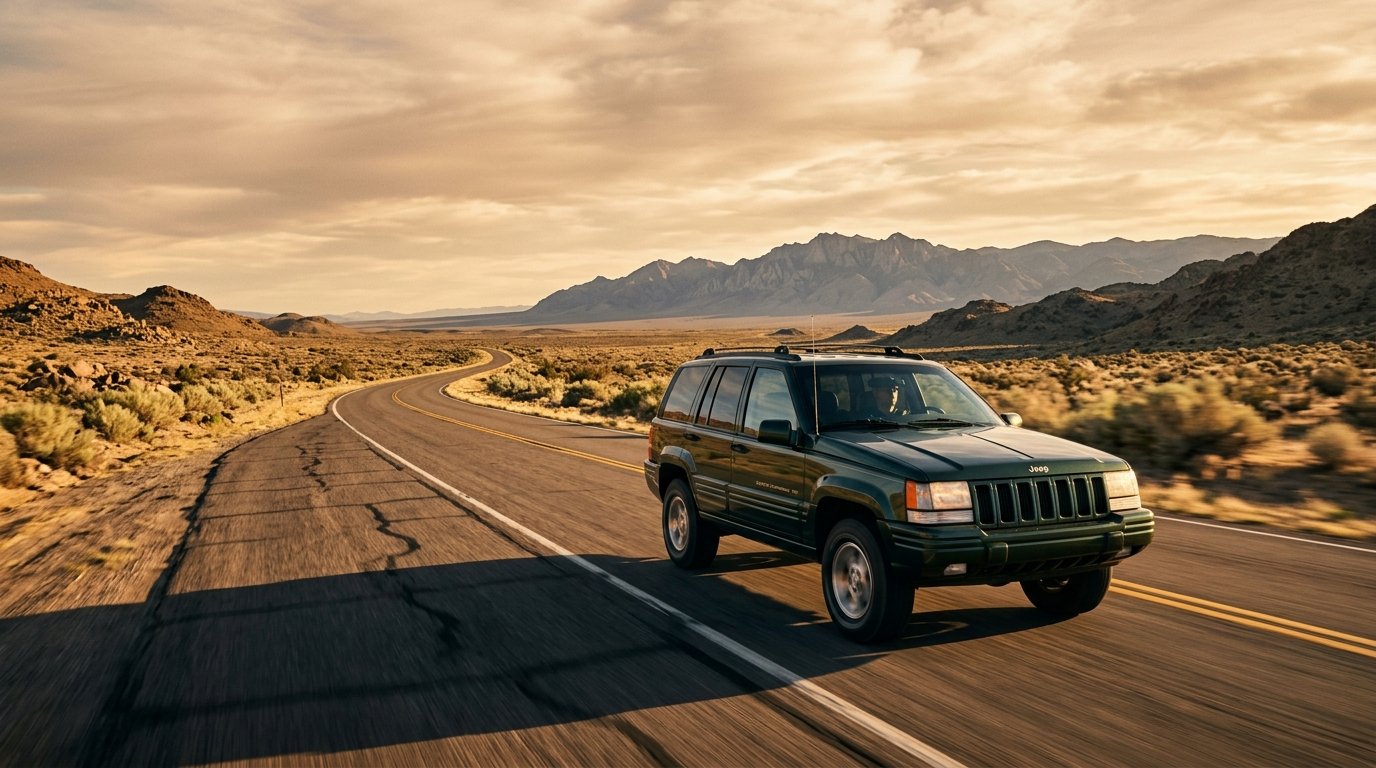
HOW LONG DOES A JEEP GRAND CHEROKEE LAST? (REAL OWNER DATA)
INTRODUCTION Buying a used vehicle is a significant financial commitment, especially when considering an SUV as popular and capable as the Jeep Grand Cherokee. The allure of its blend of rugged capability and comfortable amenities often overshadows critical questions about its long term reliability and ownership costs. This article delves into the actual longevity of the Jeep Grand Cherokee, drawing on real owner experiences and maintenance data. We will pinpoint specific model years to favor and avoid, detail common failure points, and provide concrete estimates for potential repair expenses.
WHY THIS MATTERS Choosing the wrong used Grand Cherokee can quickly turn an attractive deal into a money pit, eroding any initial savings. A well-maintained 2014-2015 WK2 model, for example, might save you $15,000 to $20,000 upfront compared to a new vehicle. However, overlooking common issues like a failing air suspension or a problematic Totally Integrated Power Module (TIPM) could saddle you with $2,000 to $5,000 in immediate, unexpected repairs. Understanding these risks before you buy is crucial for protecting your investment and ensuring your chosen vehicle provides reliable transportation, not a constant drain on your finances. Neglecting these details could mean the difference between enjoying years of trouble free ownership and facing a repair bill that exceeds the vehicle's market value.
THE YEARS TO CONSIDER AND AVOID
-
2005-2010 WK Generation (4.7L V8): Blend Door Actuator Failures This generation, while capable, is notorious for issues with its HVAC blend door actuators, particularly on models with dual zone climate control. Owners frequently report a sudden loss of heat or air conditioning to one side of the cabin, or a constant clicking sound from behind the dashboard. This typically manifests around 80,000 to 120,000 miles. Repair involves significant dashboard disassembly, often costing between $800 and $1,200 US dollars per actuator at an independent shop. Buyer Tip: Thoroughly test both heating and air conditioning on all settings for both driver and passenger sides. Listen for persistent clicking sounds from the dashboard vents.
-
2011-2013 WK2 Generation (3.6L Pentastar V6 Cylinder Head) Early models of the WK2 equipped with the 3.6-liter Pentastar V6 engine are known for a specific cylinder head defect, primarily affecting the left cylinder bank. Symptoms include a persistent ticking noise, misfires, and ultimately, a check engine light. This issue commonly surfaces between 60,000 and 100,000 miles. Repair is extensive, often requiring cylinder head replacement, with costs ranging from $2,500 to $4,000 US dollars. Buyer Tip: Listen carefully for a distinct ticking sound from the engine, especially when cold. A pre purchase inspection should include a comprehensive scan for misfire codes, even if the check engine light is not currently illuminated.
-
2011-2013 WK2 Generation (Totally Integrated Power Module - TIPM) Many Grand Cherokees from these years suffer from TIPM failures. This complex module controls a wide array of electrical functions, and its failure can lead to sporadic issues such as intermittent fuel pump operation (causing stalling or no-starts), non-functional power windows, erratic wipers, or headlights that stay on. These problems can appear at any mileage but often become problematic after 70,000 miles. A replacement TIPM can cost $800 to $1,500 US dollars, not including diagnostic fees. Buyer Tip: During a test drive and inspection, cycle through all electrical accessories: windows, wipers, headlights, turn signals, radio, and interior lights. Pay close attention to any intermittent operation.
-
2014-2015 WK2 Generation (Quadra-Lift Air Suspension) Models equipped with the optional Quadra-Lift air suspension system, while providing excellent ride quality and off road clearance, are prone to issues as they age. Common failures include air leaks in the springs, a faulty air compressor, or malfunctioning height sensors. Symptoms include the vehicle sagging unevenly, slow ride height adjustments, or the "Service Air Suspension" message appearing. Problems often begin around 80,000 to 120,000 miles. Replacing a single air strut can cost $800 to $1,500 US dollars, while a new compressor is $600 to $1,000. Full system overhaul can exceed $4,000. Buyer Tip: Inspect the vehicle's stance on level ground; it should not sag. Listen for the air compressor running excessively after the vehicle is started. Verify the different height modes operate correctly during a test drive.
-
2016-2021 WK2 Generation (Generally Recommended) These later WK2 models benefit from accumulated refinements and largely addressed the significant Pentastar cylinder head and TIPM issues found in earlier years. The ZF 8-speed automatic transmission is generally robust when properly maintained. While air suspension remains a potential long term concern for equipped models, the overall reliability profile is notably stronger. Expect typical wear items like brakes, tires, and suspension bushings to be the primary maintenance considerations. Buyer Tip: Focus on these years for the best balance of features, performance, and improved reliability. Still, prioritize models with detailed service records and consider a pre purchase inspection to identify any developing wear.
WHAT TO CHECK BEFORE YOU BUY
- Check for any sagging at the corners of the vehicle, particularly if it has air suspension, which indicates potential leaks.
- Cycle through all climate control settings (heat and AC) for both driver and passenger sides, listening for blend door actuator noises.
- Observe the dashboard for any persistent warning lights, especially "Service Air Suspension" or a check engine light.
- Test all exterior and interior lights, power windows, and wipers for consistent operation, watching for intermittent electrical glitches.
- Pull the engine oil dipstick and examine the oil for milky residue, which can indicate coolant contamination, or unusually dark, sludgy oil.
- During a test drive, listen for any clunking or grinding from the suspension over bumps, or any ticking sounds from the engine bay.
- Confirm that all drive modes (e.g., 4WD Low, different terrain settings) engage and disengage smoothly if equipped.
COST OF OWNERSHIP OVER 5 YEARS Owning a Jeep Grand Cherokee involves a predictable spectrum of costs that vary depending on its age and specific configuration. Annual routine maintenance, including oil changes, tire rotations, and filter replacements, typically averages between $600 and $850 US dollars. However, this figure can easily climb if the vehicle requires premium fluids, has more complex systems like the air suspension, or uses larger, more expensive tires.
Beyond routine upkeep, a significant portion of ownership cost comes from the risk of major repairs, especially in models from the generations with known issues. For instance, a Grand Cherokee experiencing a Quadra-Lift failure or a Pentastar cylinder head issue could incur a single repair bill ranging from $1,500 to over $4,000 US dollars. Over a five year period, it is prudent to budget an additional $750 to $1,500 annually for unexpected repairs, depending on the vehicle's initial condition and the rigor of its preventative maintenance.
Fuel costs are also a notable factor. Most Grand Cherokees, even with the Pentastar V6, achieve combined city/highway mileage in the 18-22 MPG range. For a driver covering 12,000 miles annually, this translates to roughly $2,000 to $2,500 US dollars in fuel per year, assuming an average gasoline price of $3.50 per gallon. Insurance premiums for a Grand Cherokee can vary widely based on location, driver history, and coverage, but generally fall between $1,200 and $2,000 US dollars per year for comprehensive coverage. Considering all factors, a well-maintained used Grand Cherokee can cost between $4,500 and $7,000 US dollars per year to own, not including depreciation or financing.
OUR VERDICT For used car buyers seeking a blend of comfort, capability, and reasonable long term reliability, our verdict leans towards a cautious buy, specifically recommending Grand Cherokees from the 2016-2021 WK2 model years. These later models benefit from resolved earlier engineering defects, offering a more stable ownership experience compared to the problematic 2011-2013 range. While the air suspension remains a potential expensive repair item on equipped models, a thorough pre purchase inspection can mitigate much of this risk. Buyers prioritizing reliability above all else might also consider a Toyota 4Runner or a Honda Pilot, but for those who value the Grand Cherokee's unique blend of luxury and off road prowess, the later WK2 models represent the sweet spot in the used market.
FREQUENTLY ASKED QUESTIONS
Q: What is a good budget for a used Jeep Grand Cherokee? A: A good budget for a reliable used Grand Cherokee is typically $15,000 to $25,000 US dollars for models from 2016-2021. Older generations can be found for less, but often come with a higher risk of needing significant repairs.
Q: At what mileage should I be wary of buying a used Grand Cherokee? A: Be cautious of buying Grand Cherokees with over 150,000 miles unless there is meticulous service history detailing major component replacements. Many common issues, such as air suspension or transmission problems, tend to surface between 80,000 and 120,000 miles.
Q: Which specific years of the Grand Cherokee are most reliable? A: The most reliable years for the WK2 generation are generally considered to be 2016 through 2021. These models largely resolved the major engine and electrical issues that plagued earlier versions, offering a more dependable experience.
Q: What are the most known issues with the Grand Cherokee? A: Key known issues include premature cylinder head failure in early 3.6L Pentastar V6 engines (2011-2013), Totally Integrated Power Module (TIPM) defects (2011-2013), and expensive failures of the Quadra-Lift air suspension system on equipped models.
Q: How much should I expect for annual maintenance costs? A: Expect to pay between $600 and $850 US dollars annually for routine maintenance on a Grand Cherokee, covering oil changes, tire rotations, and general inspections. This figure does not account for potential major repairs or premium parts.
Q: Do Grand Cherokees hold their resale value well? A: Grand Cherokees hold their resale value reasonably well, especially the higher trim levels and those equipped with the HEMI engine or off road packages. However, models with known reliability issues or extensive repair history will see faster depreciation.