
How Long Does a Jeep Wrangler Last? (Real Owner Data)
How long do Jeep Wranglers truly last? We analyze real owner data to reveal the actual mileage and lifespan you can expect from this iconic SUV.
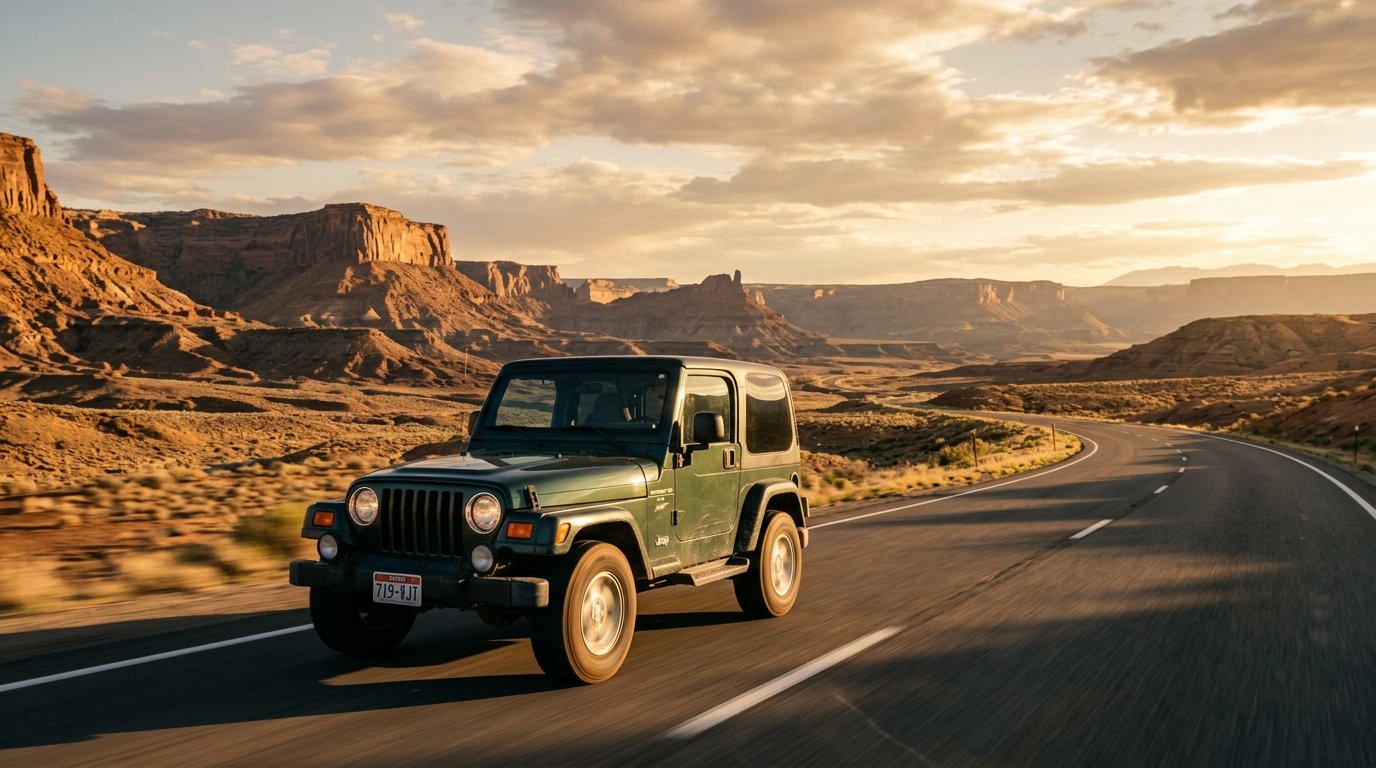
HOW LONG DOES A JEEP WRANGLER LAST? (REAL OWNER DATA)
INTRODUCTION The decision to purchase a used Jeep Wrangler is often driven by a desire for unparalleled off-road capability and an iconic open-air driving experience. However, beneath that rugged appeal lies a complex machine with specific longevity characteristics that vary significantly by model year and owner care. This guide cuts through the marketing hype to provide a data-backed assessment of Wrangler durability, outlining common failure points, expected repair costs, and practical buying advice. OwnerKeep delivers the hard truths, equipping you to make an informed decision on whether a used Wrangler is a wise investment for your money and your adventures.
WHY THIS MATTERS Acquiring a used Jeep Wrangler without understanding its specific reliability profile can quickly turn a dream vehicle into a financial burden. Beyond the initial purchase price, a poorly chosen Wrangler can incur thousands of dollars in unexpected repairs, significantly eroding its overall value and your ownership satisfaction. For instance, addressing the infamous "Death Wobble" can cost between $800 and $1,500 for a full steering component overhaul, while a failing cylinder head on a 3.6L Pentastar engine may demand $2,500 to $4,000 to correct. Ignoring these risks means potentially facing annual repair costs exceeding $1,000 to $2,000, dwarfing typical routine maintenance. Understanding these vulnerabilities beforehand allows you to budget realistically, negotiate effectively, or simply steer clear of models known for disproportionate expenditures. This knowledge translates directly into protecting your investment and ensuring predictable ownership costs over the long term.
THE YEARS
-
JEEP WRANGLER TJ (1997-2006) This generation is revered for its robust 4.0L inline-six engine, often reaching 200,000 to 250,000 miles with diligent maintenance. However, the primary longevity concern is severe frame rust, particularly in northern climates where road salt is used. Rust often attacks the frame rails near the control arm mounts and skid plates, compromising structural integrity. Exhaust manifold cracks are also common, leading to a ticking sound and potential exhaust leaks, typically appearing around 100,000 to 150,000 miles, with repair costs ranging from $300 to $700. Crankshaft Position Sensor failures can cause intermittent no-start conditions or stalling, usually under $250 to replace. Buyer Tip: Thoroughly inspect the frame, especially the areas above the rear tires and the control arm mounts, for rot and perforations, not just surface rust.
-
JEEP WRANGLER JK (2007-2011) WITH 3.8L ENGINE Early JK models with the 3.8L V6 engine (sourced from Chrysler minivans) are notorious for excessive oil consumption, often burning a quart every 1,000-2,000 miles, and developing head gasket failures, typically between 80,000 and 120,000 miles. Repairing a head gasket can cost $1,800 to $2,800. The four-speed automatic transmission in these years can also experience premature failure, with rebuilds or replacements running $2,500 to $4,000. Power window regulators frequently fail, a smaller but common nuisance, with individual replacements costing around $200-$400. Buyer Tip: Check the oil level diligently on the test drive and inquire about oil consumption history. Look for milky residue in the oil filler cap or coolant reservoir, indicating a potential head gasket issue.
-
JEEP WRANGLER JK (2012-2018) WITH 3.6L PENTASTAR ENGINE The introduction of the 3.6L Pentastar V6 engine in 2012 significantly improved power and fuel economy, but it introduced new issues. Oil cooler housing leaks, often developing around 70,000 to 120,000 miles, are common, leading to oil seeping into the valley of the engine. Repair costs range from $600 to $1,000 due to labor intensity. Water pump failures are also frequent on these engines, typically occurring between 60,000 and 100,000 miles, with replacements costing $400 to $700. Early 2012-2013 Pentastars had some cylinder head issues, but this was largely resolved by 2014. Buyer Tip: Inspect the top of the engine block near the oil filter housing for any signs of oil pooling or residue. Ensure the coolant level is stable and no leaks are visible around the water pump.
-
JEEP WRANGLER JL (2018-2020) EARLY MODELS The initial release of the JL generation faced its own set of challenges, most notably a prevalent "Death Wobble" condition, which refers to a violent, uncontrolled shaking of the front end triggered by road imperfections. This issue often stems from worn steering components such as the track bar, ball joints, or tie rod ends, frequently appearing between 30,000 and 60,000 miles. Corrective repairs can range from $800 to $1,500 depending on the extent of component replacement. Early infotainment systems occasionally exhibited glitches or freezing, though software updates have mitigated some of these. Buyer Tip: During the test drive, seek out rough pavement or expansion joints to deliberately induce potential front-end shimmy. Listen for any clunking noises over bumps, indicating loose suspension or steering components.
-
JEEP WRANGLER (ALL GENERATIONS): DEATH WOBBLE & OFF-ROAD DAMAGE While often associated with JKs and early JLs, "Death Wobble" is a potential issue across all solid-front-axle Wranglers if steering and suspension components become worn, loose, or incorrectly installed. This can occur at various mileages depending on use and maintenance, typically requiring replacement of multiple front-end parts. Beyond mechanical wear, Wranglers, by their nature, are frequently subjected to harsh off-road conditions. This increases the risk of damaged differentials, bent axle housings, torn control arm mounts, or compromised skid plates. Inspecting for non-OEM welds, bent frame sections, or fluid leaks from axles is critical. Buyer Tip: Get under the vehicle. Look for scrapes, dents, or tears on the underside armor, fuel tank, and transfer case. Pay attention to any signs of fresh or poor quality welds on the frame or suspension, which could indicate previous damage.
WHAT TO CHECK BEFORE YOU BUY
- Inspect the Frame: Lie down and thoroughly check the entire frame for rust, especially near suspension mounting points, behind the front wheels, and above the rear axle. Look for holes or significant flaking.
- Test the Steering: On a test drive, accelerate to highway speeds and hit a minor bump. Any violent shaking (Death Wobble) or excessive play in the steering wheel indicates major front-end issues.
- Check for Fluid Leaks: Park the Wrangler on a clean surface after a test drive. Look for drips of oil (engine, transmission, differentials) or coolant. Pull the dipsticks to check oil and transmission fluid color and level.
- Examine the Undercarriage: Scrutinize differentials, transfer case, control arms, and skid plates for dents, scrapes, and cracks indicative of hard off-road use. Check for bent tie rods or track bars.
- Verify Soft Top/Hard Top Seals: Pour water over the roof and windows or inspect the carpet for dampness, mildew, or water stains, as leaks are common through door seals, windshield frames, or soft top seams.
- Inspect Power Window Functionality: Test all power windows multiple times. Listen for grinding noises or slow operation, which often signal failing window regulators.
- Check for Previous Modifications: Evaluate any aftermarket lift kits, larger tires, or regearing. Poorly installed modifications can introduce new reliability issues and excessive wear on driveline components.
COST OF OWNERSHIP OVER 5 YEARS Owning a used Jeep Wrangler extends beyond the purchase price, encompassing routine maintenance, potential major repairs, fuel, and insurance. Over a five-year period, expect annual routine maintenance costs to range from $600 to $1,000 for oil changes, tire rotations, brake pad replacements, and fluid flushes. This figure assumes basic care and no major component failures. However, considering the common issues outlined previously, budgeting an additional $1,000 to $2,000 per year for unexpected repairs is a prudent measure, particularly for models over 75,000 miles.
Major repairs like a transmission rebuild, engine component replacement (e.g., oil cooler, water pump), or extensive rust remediation can quickly cost $2,500 to $5,000 or more per incident. For example, a single incident of "Death Wobble" requiring multiple component replacements could run $1,200. Factor in replacement tires, especially if larger off-road tires are desired, which can easily cost $800 to $1,500 for a set.
Fuel costs for a Wrangler are generally high. Models equipped with the 3.8L V6 (2007-2011) typically achieve 16-18 miles per gallon combined, while 3.6L Pentastar models (2012-present) see slightly better figures at 18-22 miles per gallon combined. The 2.0L turbo in JLs can reach 21-24 MPG, but often requires premium fuel. Annually, this translates to $2,000 to $3,500 in fuel depending on mileage and local prices. Insurance premiums vary widely by driver, location, and coverage, but generally expect rates to be moderate to high due to the Wrangler's off-road image and theft rates, potentially $1,200 to $2,000 annually. Over five years, total ownership costs for a used Wrangler, including purchase, could easily reach $30,000 to $50,000 depending on initial vehicle price and repair incidence.
OUR VERDICT A used Jeep Wrangler can be a rewarding purchase for the right owner, but we recommend proceeding with caution, especially with specific model years. For buyers prioritizing long-term reliability and minimal repair headaches, we recommend focusing on 2014-2017 JK models with the 3.6L Pentastar engine or later JL models (2021-present) that have had early steering issues addressed under warranty. Avoid early JK 3.8L models (2007-2011) unless a comprehensive service history detailing major component replacements is available, as their known engine and transmission frailties can be exceptionally costly. For those seeking classic simplicity and willing to address potential rust, a meticulously inspected TJ can still offer decades of rugged fun.
FREQUENTLY ASKED QUESTIONS
Q: What is a good budget for a reliable used Jeep Wrangler? A: A good budget for a reliable used Jeep Wrangler often falls between $20,000 and $30,000. This range typically allows for a well-maintained JK model from 2014-2017, which benefits from the more robust 3.6L Pentastar engine and has generally had its initial production flaws ironed out. Lower budgets around $10,000-$15,000 will net older TJs or early JKs, requiring a higher allocation for potential maintenance and repairs.
Q: What mileage is too high for a used Jeep Wrangler? A: For a used Jeep Wrangler, mileage around 120,000 to 150,000 miles typically represents a point where major component failures (engine, transmission, axles) become more probable, especially if the vehicle lacks a complete service history. While some well-maintained 4.0L TJ engines can exceed 250,000 miles, for most JKs and JLs, consider anything over 150,000 miles to be high and factor in significant repair reserves.
Q: Which specific Wrangler years are most reliable? A: The most reliable Jeep Wrangler years are generally considered to be the JK models from 2014 to 2017. These years feature the improved 3.6L Pentastar engine, which is more robust than the earlier 3.8L, and largely predate the steering and technology issues seen in the initial JL release. For traditionalists, a well-preserved TJ from 2000-2006 with minimal rust is also a strong contender for durability.
Q: What are the most common known issues with a used Wrangler? A: The most common known issues with used Wranglers vary by generation but include significant frame rust on TJ models, excessive oil consumption and head gasket failures on 2007-2011 JK 3.8L engines, oil cooler leaks and water pump failures on 2012-2018 JK 3.6L Pentastar engines, and "Death Wobble" (front-end shimmy) across JKs and early JLs due to worn steering components. Electrical issues like power window failures are also frequent.
Q: How much does it cost to maintain a Jeep Wrangler annually? A: Annual maintenance costs for a used Jeep Wrangler typically range from $600 to $1,000 for routine service such as oil changes, tire rotations, and brake inspections. However, factoring in potential repairs for known issues, especially on older or higher-mileage units, it is wise to budget an additional $1,000 to $2,000 per year for unexpected expenses, making the total annual ownership cost potentially $1,600 to $3,000 before fuel and insurance.
Q: Do Jeep Wranglers hold their resale value well? A: Yes, Jeep Wranglers are renowned for holding their resale value exceptionally well, often better than many other vehicles in their class. Their iconic design, robust off-road capability, and strong enthusiast following contribute to consistent demand in the used market. Even older, higher-mileage Wranglers tend to command respectable prices, making them a relatively sound investment in terms of retaining value over time.