
How Long Does a Toyota Camry Last? (Real Owner Data)
How long does a Toyota Camry really last? Get the truth from thousands of real owner data points revealing the average lifespan and mileage you can expect.
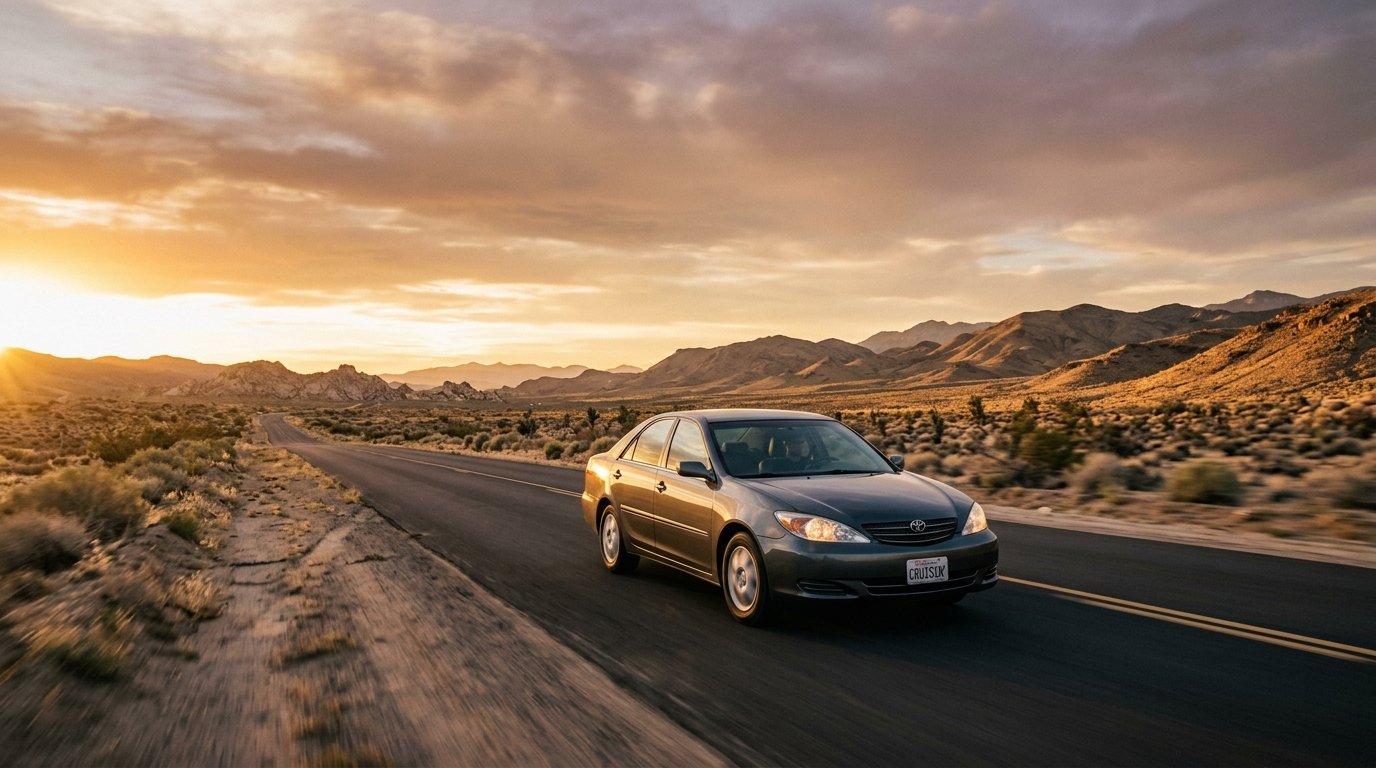
HOW LONG DOES A TOYOTA CAMRY LAST? (REAL OWNER DATA)
INTRODUCTION For used car buyers, the prospect of an unexpected major repair looms large, capable of erasing any upfront savings. Choosing a reliable vehicle, particularly one known for longevity, is paramount to financial security and peace of mind. This comprehensive guide delves into the real-world durability of the Toyota Camry, examining its performance across various generations, pinpointing common issues, and providing concrete repair cost estimates. It offers crucial data for anyone considering this perennial best-seller for their next pre-owned purchase.
WHY THIS MATTERS Purchasing a used car inherently involves balancing initial cost with anticipated long-term expenses. A vehicle that fails prematurely or demands frequent, costly repairs can quickly become a financial burden, negating any perceived bargain. For instance, a $10,000 used Camry that requires a $3,500 transmission replacement at 120,000 miles is suddenly a $13,500 investment, not including other maintenance. Conversely, a robust model that reliably delivers 200,000 to 300,000 miles on original major components represents significant savings in depreciation and repair avoidance. Understanding the Camry's specific strengths and weaknesses across its model years allows buyers to predict potential financial outlays, mitigate risk, and make an informed decision that truly saves money over several years of ownership. This article aims to equip you with that precise foresight.
THE YEARS
-
2002-2006 (XV30 Generation) This generation, particularly the V6 models from 2002 and 2003, is infamous for engine oil sludging issues. The 1MZ-FE V6 engine, if not meticulously maintained with frequent oil changes, could accumulate deposits leading to oil starvation and eventual engine failure. This typically manifests between 80,000 and 150,000 miles. Repair involves a costly engine flush, often unsuccessful, or a full engine replacement costing between $3,000 and $5,000. Some owners also reported torque converter shudder on four-cylinder models. Practical buyer tip: Demand detailed service records showing regular, documented oil changes with appropriate viscosity oil. Pay extra attention to the engine's top end for any ticking noises.
-
2007-2011 (XV40 Generation) The 2.4L and later 2.5L 2AZ-FE four-cylinder engines in this generation developed a reputation for excessive oil consumption due to faulty piston rings. Owners often found themselves adding a quart of oil every 1,000 to 2,000 miles, sometimes even less. This problem usually emerges around 70,000 to 120,000 miles. Addressing it involves replacing the piston rings, a labor-intensive engine tear-down that can cost $3,000 to $5,000. Another common issue was the melting or sticky dashboard, an aesthetic but persistent nuisance that can cost $1,500-$2,500 to replace at a dealer. Practical buyer tip: Check the oil level on the dipstick before and after a test drive. Ask the seller about oil top-off frequency.
-
2012-2014 (Early XV50 Generation) These early XV50 models largely improved upon the previous generation's major engine oil consumption woes, though some residual instances were reported on the 2.5L four-cylinder due to carryover engine design from earlier years. The transmission, while generally robust, occasionally showed signs of rough shifting or hesitation, particularly as mileage approached 100,000 to 150,000 miles. Repairing a problematic valve body or solenoids can range from $800 to $1,500. Additionally, the infotainment system in some early units suffered from software glitches or touchscreen unresponsiveness. Practical buyer tip: Pay close attention to transmission shift quality during the test drive, especially during cold starts and under varied acceleration.
-
2015-2017 (Late XV50 Generation) These years represent a high point for Camry reliability before the major redesign. Most of the early XV50 issues were ironed out. The 2.5L four-cylinder and the 3.5L V6 engines are generally solid, capable of exceeding 200,000 miles with diligent maintenance. Minor complaints included water pump leaks, typically around 100,000-150,000 miles, costing $400-$800 to replace. Headlight moisture condensation also occurred in some units. These models are often considered some of the best value used Camrys for long-term ownership. Practical buyer tip: Look for a well-maintained example with a complete service history. A pre-purchase inspection should specifically check for any coolant leaks around the water pump.
-
2018-2020 (Early XV70 Generation) The redesigned XV70 generation brought new engine options and a fresh platform. While generally reliable, a significant recall affected millions of Toyota and Lexus vehicles, including these Camrys, for a defective fuel pump that could fail unexpectedly, leading to engine stalling. If not addressed under recall, a fuel pump replacement could cost $800-$1,200. Some owners also reported minor squeaks or rattles from interior trim, a common complaint in new vehicle generations. Practical buyer tip: Verify that any open recalls, particularly the fuel pump recall (Toyota Safety Recall 20TA02), have been completed by a Toyota dealership. Check the vehicle's VIN on the Toyota recall website.
WHAT TO CHECK BEFORE YOU BUY Pull the engine oil dipstick and examine the oil for milky residue or excessively dark, sludgy consistency. Inspect the engine bay for any signs of active oil or coolant leaks, paying close attention to the water pump housing on the passenger side of the engine. Test all power windows, locks, and the infotainment system for proper function, ensuring no sticky buttons or unresponsive touchscreens. During the test drive, listen for any abnormal noises from the transmission during shifts and feel for any hesitation or hard jerks. Check the dashboard surface for stickiness, cracks, or warping, especially on 2007-2011 models. Observe the exhaust for excessive blue smoke on startup or acceleration, which could indicate oil burning.
COST OF OWNERSHIP OVER 5 YEARS The Toyota Camry generally offers a competitive cost of ownership, largely due to its proven reliability and readily available, affordable parts. Typical annual maintenance costs, including oil changes, tire rotations, air filters, and occasional fluid flushes, average between $400 and $600. This estimate can rise if services like spark plug replacement or brake pad/rotor changes are due within a given year.
Major repair risk is lower than many competitors, particularly for models from 2015-2017. However, the known issues in earlier generations (engine sludge, oil consumption, transmission problems) carry potential repair bills ranging from $2,500 to $5,000 if not addressed or if they recur. A buyer who carefully selects a well-maintained Camry from a strong model year can often avoid these significant outlays.
Fuel costs are a consistent factor, with most four-cylinder Camrys achieving an average of 28-32 miles per gallon combined, leading to annual fuel expenses around $1,800 to $2,500 based on current prices and average mileage. V6 models will consume slightly more. Insurance premiums vary widely by driver, location, and coverage, but Camrys typically fall into a moderate category, costing anywhere from $1,200 to $2,000 annually. Over five years, a well-chosen Camry can be one of the most economical vehicles to own, provided the buyer avoids models with documented widespread mechanical flaws.
OUR VERDICT For used car buyers prioritizing longevity and minimal surprise expenses, the Toyota Camry is a resounding buy, particularly model years from 2015-2017 and 2021-present. While earlier generations presented specific, costly challenges with engine sludge and excessive oil consumption, Toyota systematically addressed these issues. The Camry consistently delivers impressive long-term reliability and holds its value exceptionally well, making it a smart financial choice. While competitors like the Honda Accord offer similar value, the Camry often edges it out on parts availability and overall repair simplicity, cementing its status as a top-tier used vehicle purchase for those seeking peace of mind.
FREQUENTLY ASKED QUESTIONS
Q: What is a realistic budget for a used Toyota Camry that will last a long time? A: A realistic budget for a reliable, long-lasting used Camry generally ranges from $10,000 to $20,000, depending on the model year and mileage. This price point typically accesses models from the 2015-2017 generation, which are known for their strong durability, or newer XV70 generation models with higher mileage.
Q: How many miles can a Toyota Camry truly last? A: A well-maintained Toyota Camry can reliably last between 200,000 and 300,000 miles, with many owners reporting even higher mileage. Key factors for achieving this longevity include consistent adherence to the factory maintenance schedule, timely fluid changes, and addressing minor issues before they escalate.
Q: Are there specific Camry model years I should actively avoid? A: While all Camrys can be decent, you should exercise caution with 2002-2003 V6 models due to oil sludging risks and 2007-2011 four-cylinder models because of widespread oil consumption issues. Thorough pre-purchase inspections and detailed service records are critical for these specific years.
Q: What are the most common known issues for the Toyota Camry across its lifespan? A: Common issues vary by generation but include engine oil sludging (2002-2003 V6), excessive oil consumption (2007-2011 four-cylinder), melting dashboards (2007-2011), and water pump leaks (various generations, particularly 2012-2017). Early XV70 models had a fuel pump recall.
Q: How much should I budget for annual maintenance costs for a used Camry? A: Owners should budget approximately $400 to $600 annually for routine maintenance on a used Camry, including oil changes, tire rotations, and inspections. This estimate does not account for major wear items like tires, brakes, or unforeseen repairs, which can fluctuate year to year.
Q: Does the Toyota Camry hold its resale value well? A: Yes, the Toyota Camry consistently holds its resale value exceptionally well, often outperforming many competitors in its class. Its reputation for reliability, low cost of ownership, and widespread appeal contribute significantly to its strong depreciation resistance.