
How to Change Brake Pads (Front and Rear)
Learn how to change front and rear brake pads easily with our step-by-step guide. Boost your car maintenance skills today—start your DIY project now!
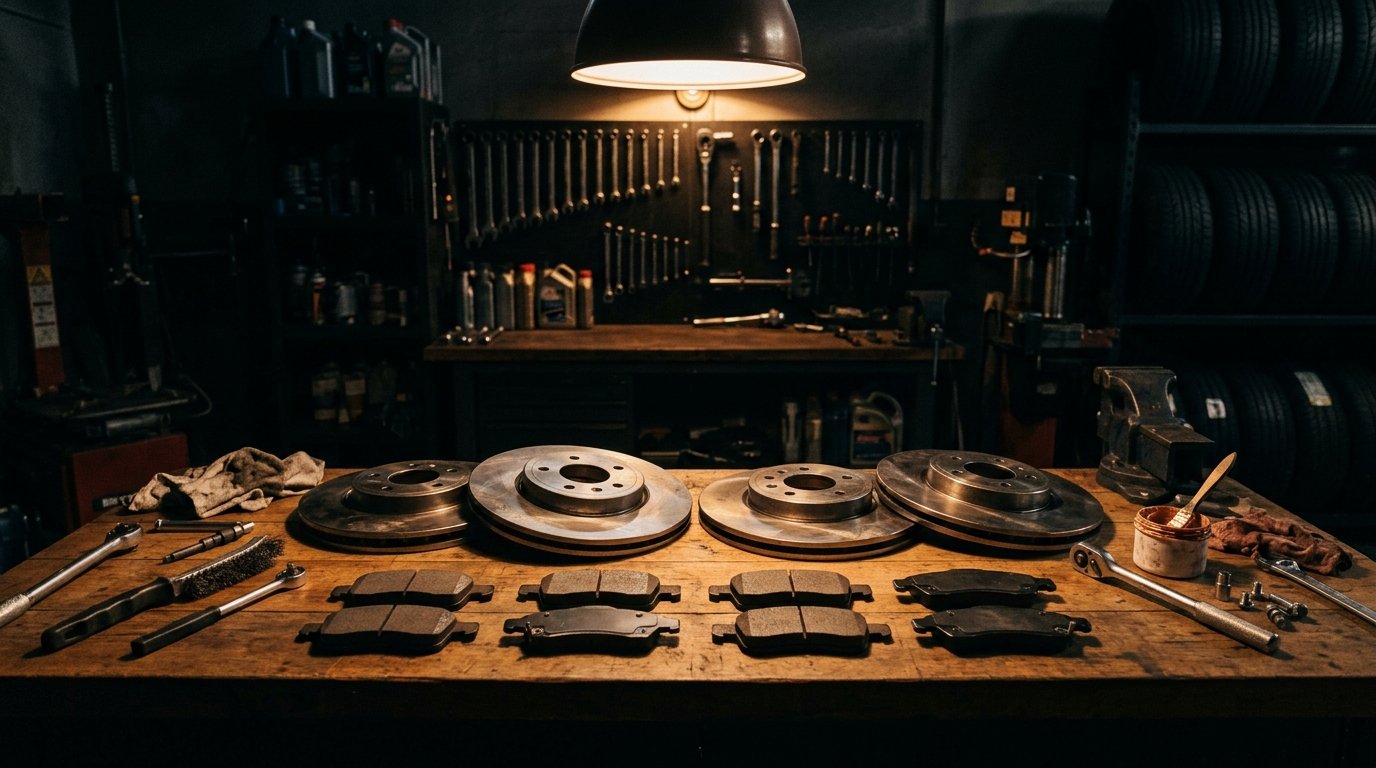
How to Change Brake Pads (Front and Rear)
Tackling brake pad replacement yourself can be a rewarding and cost-saving endeavor, but doing it correctly is essential to ensure your safety. Let's dive into the specifics of what you'll need and how to get the job done like a pro.
What You'll Need (Tools and Parts)
Tools:
- 14mm socket and ratchet: Most caliper guide pins on vehicles like the Honda Accord use a 14mm. Double-check your specific vehicle.
- 17mm socket: For removing caliper bracket bolts—typical on many Toyota and Subaru models.
- Torque wrench: Essential for reassembling bolts to factory specifications. Look for one with a range of 10-150 ft-lbs.
- C-clamp or disc brake spreader tool: To compress the caliper piston.
- Brake caliper rewind tool: Necessary for rear calipers with integrated parking brakes. Rental kits are available at many auto parts stores.
- Jack and jack stands: Use a high-quality set that supports your vehicle's weight safely.
- Lug wrench or breaker bar: For removing wheel lug nuts.
- Brake cleaner: To clean the caliper and rotor surface.
Parts:
- Brake pads: Expect to spend $30-$80 per axle depending on quality and brand (e.g., Bosch BP847).
- Replacement hardware kit: Includes new clips and shims (if not provided with pads). Typically around $10-$20.
- Anti-squeal compound: Such as Permatex Disk Brake Quiet, generally under $10.
Optional but Recommended:
- Hydraulic floor jack: More stable and easier than the scissor jack in your trunk.
- Wheel chocks: Prevents the vehicle from moving unexpectedly.
Difficulty Level & Time Estimate
- Difficulty: Intermediate
- Time Estimate: First-timers may take 3-4 hours. Experienced DIYers can often knock it out in about 2 hours.
When to Head to the Shop
If you encounter frozen bolts or corrosion beyond mild surface rust, save yourself the headache and take your vehicle to a professional. Additionally, if your brake rotors are worn or damaged, replacing them along with the pads is often recommended and might be better handled by a shop if you don't have the tools to measure rotor thickness.
Safety First
This is more than standard advice—your life can depend on it. Always:
- Use eye protection and gloves: Brake dust is hazardous.
- Work on a level surface: Vehicle stability is crucial.
- Secure the vehicle with jack stands: Never rely solely on a jack.
Step-by-Step Instructions
Front Brake Pad Replacement
-
Lift and Secure the Vehicle:
- Use wheel chocks behind rear tires.
- Loosen lug nuts slightly before lifting the vehicle.
- Lift vehicle at the recommended jacking point and secure with jack stands.
-
Remove the Wheel and Caliper:
- Fully remove lug nuts and wheel.
- Use a 14mm socket to remove the lower caliper bolt.
- Pro Tip: Hang the caliper with a bungee cord to avoid stress on the brake hose.
-
Remove Old Pads and Hardware:
- Slide out the old brake pads and remove retention clips.
-
Compress the Caliper Piston:
- Use a C-clamp to gently retract the caliper piston.
- Important: Check brake fluid reservoir for overflow as you compress the piston.
-
Install New Pads and Hardware:
- Position new clips and slide in the pads.
- Use Permatex Disk Brake Quiet on the back of the pads to reduce noise.
-
Reassemble Caliper and Wheel:
- Torque the caliper guide bolt to vehicle specs (approx 25 ft-lbs for many models).
- Reinstall wheel and torque lug nuts to spec (typically 80-100 ft-lbs).
Rear Brake Pad Replacement
Follow steps for front brakes up to removing the caliper. If your vehicle has an integrated parking brake:
-
Retract Caliper Piston:
- Use the brake caliper rewind tool. This is essential for avoiding damage.
- Pro Tip: Some models, like Nissan Altimas, require twisting the piston clockwise.
-
Install and Reassemble:
- Same as the front, ensuring torque specifications are met.
How to Know It's Done Right
- Visual Inspection: Ensure all bolts are tight, and all hardware is correctly positioned.
- Test Drive: Start with gentle stops to allow pads to seat properly.
- Break-in Process: Perform 5-10 moderate stops from 30 mph to ensure even brake pad wear.
Common Mistakes to Avoid
- Skipping the Torque: Guessing fastener tightness leads to component failure.
- Dirty Surfaces: Always clean rotors and calipers to ensure proper function.
- Incorrect Brake Pad Size: Double-check part numbers to avoid unnecessary frustration.
When to Replace vs Repair
Brake pads nearly worn to the backing plate? Replace them. Rotors thinner than minimum spec marked on the hub? Replacement is vital for safety. DIY costs significantly lower than shop ($200 DIY vs. $400+) but weigh your comfort level.
Frequently Asked Questions
Q: Why is my car squealing if I just changed the brake pads?
A: Squealing often results from pads without proper bedding or missing anti-squeal compound. Double-check clips and pad alignment.
Q: How often should I change my brake pads?
A: On average, pads last between 30,000 to 70,000 miles, depending on driving habits and material.
Q: Are ceramic pads better than semi-metallic?
A: Ceramic pads produce less dust and provide quieter braking, ideal for daily driving, but semi-metallics offer better heat management for performance applications.
Q: Can I reuse my old brake hardware?
A: It's possible, but installing new hardware reduces noise and uneven wear risks. Consider it part of proper pad replacement.
Q: What's the clicking noise when I apply the brakes?
A: Clicking could indicate loose brake pad hardware or incorrectly installed pads. Recheck pad seating and clip installation.
For tailored maintenance tips specific to your exact make and model, OwnerKeep.com offers comprehensive vehicle guides to ensure peace of mind for all your automotive endeavors.