
How to Keep a Proper Vehicle Maintenance Log
Discover how to maintain a detailed vehicle maintenance log to extend your car's life. Follow our guide and download a free template to get started today!
How to Keep a Proper Vehicle Maintenance Log
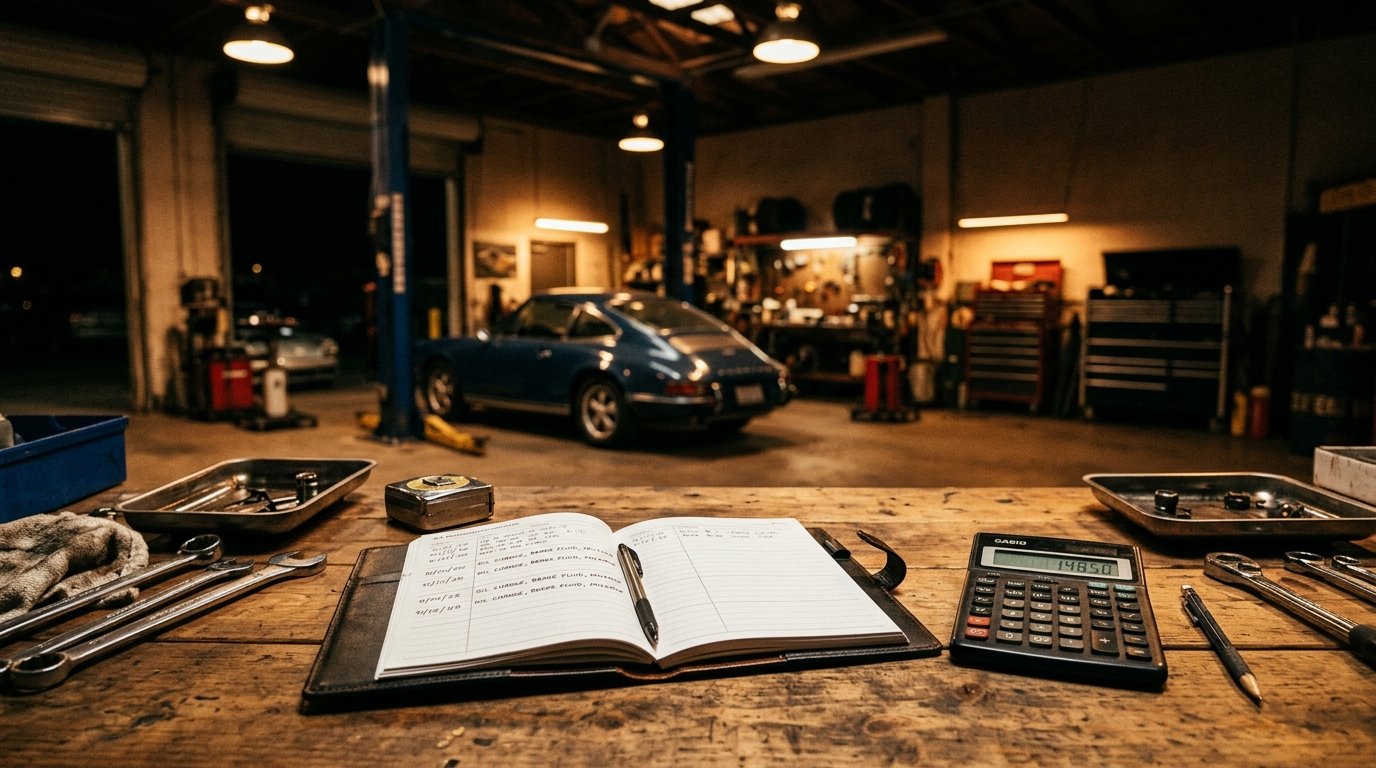
Maintaining an accurate vehicle maintenance log is like having a historical record of your car's life. It can save you from costly repairs, help you when selling the vehicle, and even deepen your bond with your ride. This expert guide will walk you through setting up and maintaining a meticulous log that could even outshine those of seasoned pros.
What You'll Need (Tools and Parts)
Keeping a vehicle maintenance log is more about organization than wrenches, but a few tools make the process smoother:
- Notebook or Digital App: Costs nothing if you already have a phone. Otherwise, a quality notebook can run around $5 to $10.
- Pen and Pencil Set: The old-fashioned route—about $3.
- Smartphone or Camera: To take before-and-after photos for visual records, price varies.
- Receipt Holder or Envelope: $3 for a simple folder to keep service receipts.
- Basic App or Spreadsheet Software: Free options like Google Sheets or Microsoft Excel are handy to digitize records.
While this task doesn't require specific parts, think of it as essential "equipment" for a maintenance-minded owner. Tools for actual work on the car remain back in your toolbox.
Difficulty Level & Time Estimate
- Rate: Beginner
- Estimated Time: Allow about 1 to 2 hours initially to gather information and get organized.
- Maintenance Time: 10-15 minutes after each service event, whether it’s a DIY oil change or a trip to the mechanic.
For folks already adept at wielding a wrench, this task is a walk in the park. However, if you're uncomfortable even documenting your laundry schedule, a shop concierge service might suit you better, although you'll lose the personalized touch that a DIY log offers.
Safety First
While creating a maintenance log is not inherently risky, consider the following to protect your investment:
- Protect Documentation: Keep digital backups; flood or fire could ruin paper copies.
- Encrypted Files: If you're storing sensitive VIN information digitally, ensure files are encrypted.
For paperwork safety, basic household PPE isn't necessary, but always be cautious about storing information securely.
Step-by-Step Instructions
-
Gather Information: Start by collecting existing documents—purchase records, previous repair receipts, title papers, etc.
- Pro Tip: Categorize these documents by type and date; it helps narrow down when specific services occurred.
-
Choose Your System: Decide whether you'll use a paper-based or digital method. Digital apps like Fuelly or myCARFAX can simplify tracking.
- Pro Tip: Although apps are convenient, a paper backup can save you in case of a tech failure.
-
Record the Basics: Start with a section for each vehicle element (like oil changes, tire rotations, etc.). Note the date, mileage, and specifics of the work done.
- Common Mistake: Forgetting to log mileage—always record it at each step.
-
Detail Each Entry: For each service, jot down:
- Description: What was done and why.
- Parts Used: Enter specific part numbers and brands.
- Costs Incurred: Note both parts and labor, even if it's your own time.
- Pro Tip: Using your phone’s calendar or reminders to alert you of upcoming service times based on mileage or date.
-
Organize Recurring Tasks: Create a routine—monthly reviews to keep tabs on upcoming services or parts that will need attention.
- Common Mistake: Only logging services after they occur; predictive logging can help plan for future repairs and budget accordingly.
-
Attach Photos: Current state of the components before and after service can be invaluable for both clarity and sale negotiations down the road.
How to Know It's Done Right
- Consistency Check: Go through the log monthly to ensure all details are uniform—dates are correct, mileage is accurate, and there's no duplication.
- Double Check Entries: Verify your entries against service receipts.
- Pro Tip: Cross-reference your log with manufacturer-recommended service intervals specific to your make and model, ensuring nothing is overlooked.
Common Mistakes to Avoid
- Missed Entries: Forgetting to log a small fix can leave a gap in your history. Make a habit of updating soon after work is done.
- Mismatched Information: Be wary of differing info between digital logs and paper receipts. Choose one format or regularly reconcile both.
- Overlooking Receipts: Always store and digitally back up all service and parts receipts. They add legitimacy and proof to your records.
If you find mismatched data, audit your entries using receipts and correct them promptly; this keeps your log trustworthy.
When to Replace vs Repair
In the context of a maintenance log, replacement refers to when you might replace the tool or system you use to keep the log:
- Replacement Cost (Digital System): Free apps vs. premium apps ($20-$50 annual cost).
- Why Replace: If a digital system offers integration with vehicle diagnostic tools or easier export options, it might be worth the switch.
Frequently Asked Questions
Q: How often should I update my vehicle maintenance log? A: Ideally, update it immediately after any maintenance or repair. Routine checks monthly can ensure no details are missing.
Q: Can a vehicle maintenance log increase the resale value of my car? A: Yes, a detailed log can significantly enhance your car's resale value by proving diligent upkeep and transparency to prospective buyers.
Q: Do digital logs hold up when selling a car? A: Absolutely. Digital records are often easier to share and can include a more comprehensive view of the vehicle’s history, including photos.
Q: What should I do if I lost maintenance receipts? A: Contact the shop for duplicates or log the known details with as much accuracy as possible, noting any estimates as such.
Q: How detailed should each entry in my log be? A: Include the type of service, parts used, work performed, cost, and mileage. More detail can only help clarify the car's history.
Remember, OwnerKeep.com offers comprehensive vehicle-specific maintenance guides to keep you a step ahead. Happy logging!