
How to Replace a Fuel Filter
Learn how to replace a fuel filter with our step-by-step guide. Improve car performance and save money. Start your DIY project today and drive smoothly!
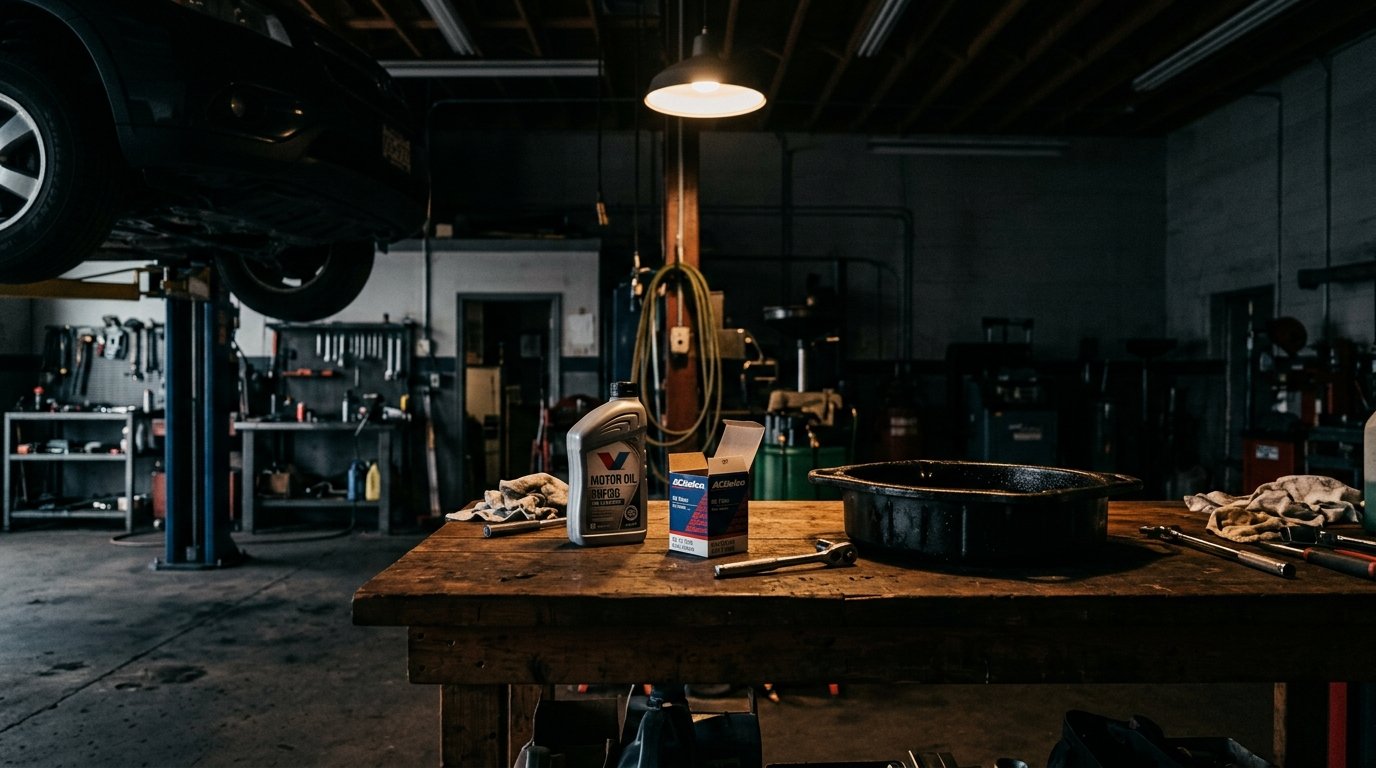
What You'll Need (Tools and Parts)
Replacing a fuel filter is not just a matter of plug-and-play; it requires the right tools and parts for a successful job. Here's what you'll need:
Tools:
- Wrench Set: Ensure you have a selection, including a 12mm and 14mm wrench, depending on your vehicle.
- Socket Set: A socket set with sizes ranging from 8mm to 19mm is generally needed. For example, many Toyota models require a 14mm socket for the filter bracket.
- Fuel Line Disconnect Tool: Essential for vehicles with quick-connect fuel lines. Kits like the OEMTOOLS 27131 can be rented at auto parts stores.
- Drain Pan: To catch any residual fuel in the lines.
- Safety Glasses and Gloves: To protect against fuel splash.
- Flat Blade Screwdriver: Useful if you need to pry off hoses.
- Torque Wrench: While not always necessary, using one ensures everything is tightened to spec. Fuel line bolts and fittings often need a torque of about 18 lb-ft.
- Jack and Jack Stands: If your vehicle's filter is underneath (common on trucks).
Parts:
- Replacement Fuel Filter: Always get the OEM part number for accuracy. For most Ford F150s, the Motorcraft FG-986B runs about $15-$30.
- O-Rings or Seals (if needed): Often included with the filter, but if not, ensure you get the right ones for a proper seal.
- Fuel Line Clips: Especially for vehicles like GMs that utilize plastic clips. A pack can cost around $5-$10.
Difficulty Level & Time Estimate
Difficulty Rating: Intermediate
Changing a fuel filter might sound straightforward, but it's an intermediate job due to fuel system pressurization and the location accessibility on some vehicles. Not ideal for a first-timer without supervision.
Time Estimate:
- First-Timer: Allow up to 2 hours. This includes the learning curve and extra caution.
- Experienced DIYer: About 30 to 45 minutes assuming they're familiar with their vehicle's layout.
When to Take it to a Shop:
- Rusty or Corroded Lines: If your vehicle lives in the rust belt, you might encounter stuck fittings that need professional heating to remove.
- In-Tank Filter: Some newer vehicles integrate fuel filters with the fuel pump inside the tank—a shop would be the safer bet unless you’re comfortable dropping the tank.
Safety First
Safety Precautions:
- Depressurize the Fuel System: This is crucial to avoid fuel spray. Locate the fuel pump relay or fuse and disable it while the engine is running to depressurize safely.
- No Open Flames or Sparks: Work in a well-ventilated area and keep fire sources far away.
- Fuel Spillage: Be prepared with shop towels and clean up spills immediately. Dispose of them properly, as they can ignite even after the job is done.
Required PPE:
- Safety Glasses: Required to protect eyes from potential fuel spray.
- Gloves: Nitrile gloves to protect your hands from fuel exposure, which can dry and irritate skin.
Step-by-Step Instructions
1. Depressurize the Fuel System:
- Locate the fuel pump fuse/relay in the fuse box (consult your owner’s manual for exact location).
- Start the engine and let it run until it stalls, indicating the pressure is relieved.
- Common Mistake: Forgetting to depressurize can lead to dangerous fuel spray during disconnection.
2. Access the Fuel Filter:
- Consult your vehicle's manual; many Hondas, such as the Civic, have the filter located on the driver-side firewall.
- Jack up the vehicle if necessary and secure with jack stands.
3. Disconnect Fuel Lines:
- Use the fuel line disconnect tool if applicable. Be careful with plastic clips, as they're easy to break.
- Have a drain pan ready to catch residual fuel. Use a rag around the connections to absorb fuel drips.
4. Remove the Old Filter:
- Loosen any retaining bolts using the appropriate wrench or socket (often 12mm or 14mm).
- Carefully remove the filter. Pro Tip: Mark the direction of fuel flow on the old filter as a reference for the new one.
5. Install the New Filter:
- Position the new filter according to the marked flow direction. OEM specifications matter here.
- Reattach the fuel lines, making sure they're firmly seated. Replace any worn-out O-rings.
- Torque any retaining bolts to manufacturer specs, typically around 18 lb-ft.
6. Check for Leaks:
- Reconnect the battery, start the engine, and let it run while inspecting connections for leaks. Pro Tip: A fine mist of water over connections under pressure can reveal leaks by causing bubbling.
7. Dispose of Old Filter Safely:
- Fuel filters contain fuel—dispose of them at a recycling facility or as advised by local hazardous waste guidelines.
How to Know It's Done Right
Post-Replacement Checks:
- Visual Inspection: Confirm no fuel is leaking from any connection or line.
- Test Drive: Take the car for a 5-10 minute drive, paying attention to engine performance and smell.
- Engine Performance: Should be smooth without hesitation or stuttering, particularly under load.
Break-In Period:
- There is no "break-in" needed for a filter, but I recommend monitoring fuel efficiency and performance for the first week to ensure everything is operating smoothly.
Common Mistakes to Avoid
- Reversing Fuel Flow Direction: Fuel filters are unidirectional. Installing it backward will starve the engine of fuel.
- Not Replacing Seals: Old, worn-out seals can cause leaks. Always replace any seals or O-rings with new ones.
- Tightening Too Much: Over-tightening can strip threads or crack components, especially plastic parts.
If you realize a mistake:
- Reverse Installation: Simply reinstall the filter correctly; ensure the line connections are secure.
- Seal Leaks: Replace with a new seal and ensure connections are clean and debris-free.
When to Replace vs Repair
Fuel filters are typically non-repairable and should be replaced every 30,000 to 50,000 miles as routine maintenance or when performance issues arise.
Cost Comparison:
- DIY: The cost of a fuel filter varies but ranges from $15 to $60.
- Shop Costs: Professional replacement will often run $100 to $150 due to labor charges.
Make a shop visit if:
- You're not comfortable with fuel systems.
- Accessibility in your vehicle requires specialized tools or knowledge.
Frequently Asked Questions
Q: How do I know my fuel filter needs replacing?
A: Common signs include sputtering at high speeds, poor gas mileage, or the engine stalling. Reduced engine performance, especially under load, often indicates a restricted filter.
Q: Can a bad fuel filter damage my engine?
A: If left unchecked, a clogged filter can lead to inadequate fuel supply, causing the fuel pump to overwork, potentially leading to premature failure.
Q: How often should a fuel filter be replaced?
A: Most vehicles recommend a replacement every 30,000 to 50,000 miles. Check the owner's manual for your vehicle's specific maintenance schedule.
Q: Is it dangerous to drive with a bad fuel filter?
A: Yes, driving with a clogged filter can lead to stalling at inopportune times, which poses a safety risk, especially in traffic.
Q: Can fuel additives clean the fuel filter?
A: Fuel additives can help keep injectors clean but won't clean a clogged fuel filter. Physical replacement is the only solution.
At OwnerKeep.com, we provide exhaustive maintenance guides tailored to your vehicle's specific needs, ensuring every maintenance task is done right the first time. Explore our resources for more insights into vehicle upkeep.