
How to Replace Sway Bar Links
Learn how to replace sway bar links with our step-by-step guide. Enhance your car's stability and performance—click to master this essential DIY skill!
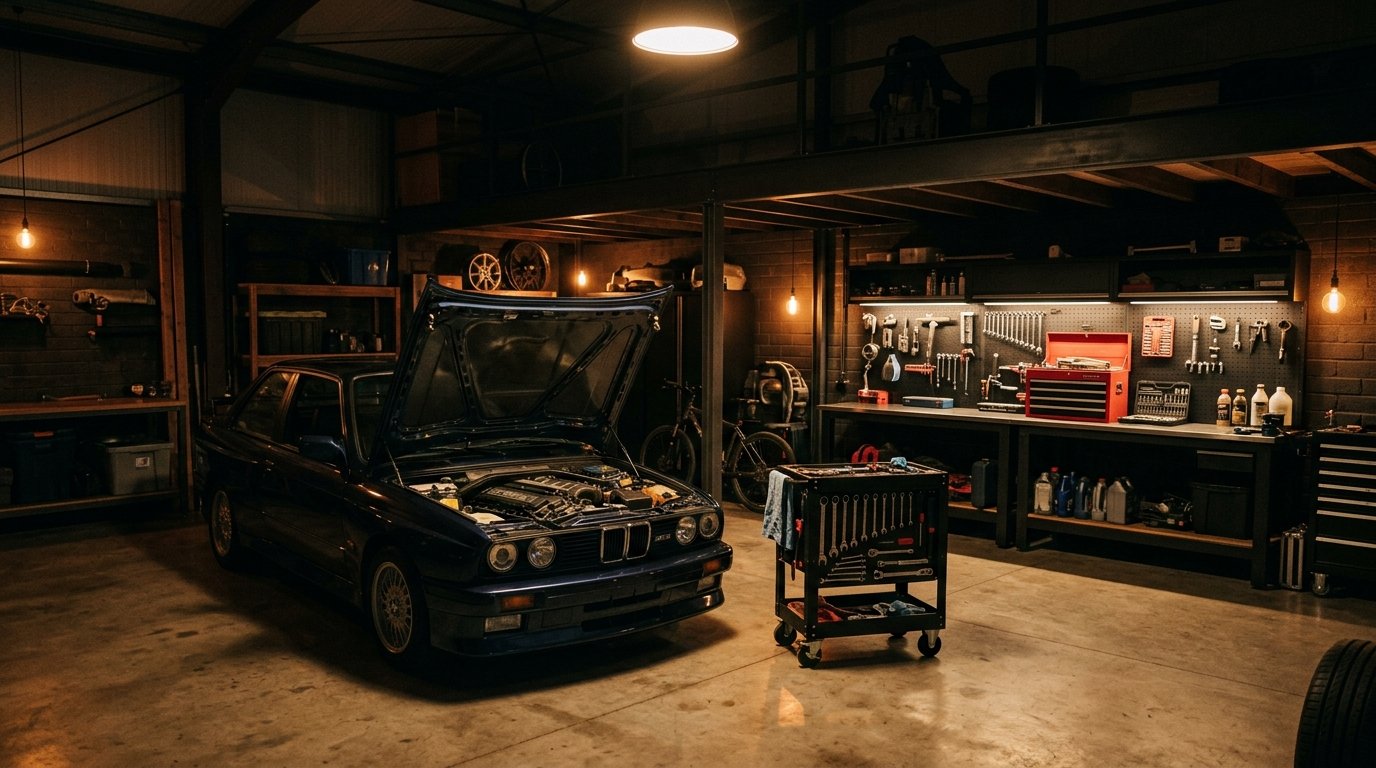
What You'll Need (Tools and Parts)
Replacing sway bar links can be a straightforward fix, but without the right tools and parts, you'll quickly find yourself frustrated. Here's a comprehensive list of what you'll need:
Tools
- Socket Set: You’ll need a range from 13mm to 18mm, as sway bar links typically use bolts within this range. Keep a 16mm on hand — it’s a common size for many vehicles.
- Wrenches: A 13mm through 18mm set, especially open-ended wrenches, is critical for holding the sway bar link bolts in place while you remove the nuts.
- Torque Wrench: Essential for tightening the nuts to manufacturer specifications. Models from Tekton or GearWrench will suffice (typically set to 40 ft-lbs to 60 ft-lbs depending on your vehicle).
- Pry Bar: Helps in maneuvering the sway bar into position if necessary.
- Penetrating Oil: Such as PB Blaster or WD-40, crucial for loosening rusty nuts.
- Hex Bit or Torx Set: Many modern vehicles use these as part of the mounting system for sway bar links.
- Breaker Bar: Useful for stubborn bolts that won’t budge.
Parts
- Sway Bar Links: Prices range from $20 to $100 per set depending on brand and vehicle. Moog (K750012) is a popular option for many models.
- Replacement Nuts and Bolts: If your vehicle uses a locking nut system, it's a good idea to replace them. These typically cost around $10.
Specialty Tools
- Electric Impact Wrench: This can speed up the process significantly. Many stores like AutoZone offer rental programs for these.
- Ball Joint Separator: Some vehicles need this to remove the link from the sway bar, though rentals are easily found.
Difficulty Level & Time Estimate
- Difficulty Level: Beginner to Intermediate. This job is ideal for those with basic mechanical experience.
- Time Estimate:
- First-Timer: 2 to 3 hours.
- Experienced DIYer: About 1 hour.
- When to Visit a Shop: If the bolts are heavily rusted or require components be removed. Shops have better access to high-torque tools.
Safety First
Sway bar replacements aren't inherently dangerous, but safety is still paramount.
- Vehicle Lift or Jack Stands: Always support the vehicle with jack stands on a flat surface before removing the wheels.
- Wheel Chocks: Use these behind the opposite wheels to prevent any movement.
- Personal Protective Equipment (PPE): Eye protection to guard against falling debris, gloves to handle metal safely, and steel-toed boots recommended.
Step-by-Step Instructions
1. Preparation
- Secure the Vehicle: Park on a level surface, use wheel chocks, and lift the car with a hydraulic jack. Place jack stands under solid points of the chassis.
- Pro Tip: Mark the position of your tires on the ground for easy realignment later.
2. Remove the Wheel
- Detach the wheel: Using a lug wrench, remove the wheel nuts. Store them safely.
3. Loosen and Remove the Sway Bar Link
- Access the Link: Usually located just behind the wheel on the suspension strut.
- Spray Penetrating Oil: On any visible bolts/nuts to make removal easier.
- Loosen Nuts: Hold the bolt with a wrench and use a socket wrench to remove the nut. Depending on the model, use a secondary tool (like a Torx or Hex) to stop the bolt from spinning.
- Pro Tip: If the bolt is turning, counter-hold it with a Torx bit at the end.
4. Install the New Sway Bar Link
- Position New Link: Secure it similarly to the old one. Ensure all bushings and spacers are in the correct order.
- Tighten: Use a torque wrench to tighten to the specified torque, generally between 40–60 ft-lbs, depending on the vehicle’s manual.
- Pro Tip: Consult your vehicle’s repair manual for exact specs. Over-tightening can strip threads.
5. Reattach the Wheel
- Mount Wheel: Tighten lug nuts in a star pattern to ensure equal pressure.
6. Lower the Vehicle
- Carefully: Lower the vehicle off the jack stands with the hydraulic jack.
How to Know It's Done Right
- Visual Check: Ensure that all bolts and nuts are secure, and the sway bar link is correctly aligned with no excessive play.
- Test Drive Instructions: Listen for any clunking noises on uneven roads, which could indicate improper installation.
- Break-In Period: Typically, sway bar links don’t require breaking in, but keep an ear out during the first week for any unusual sounds.
Common Mistakes to Avoid
- Incorrect Tightening: Over or under-tightening bolts. Always use a torque wrench.
- Wrong Parts: Double-check part numbers to ensure compatibility. Incorrect parts may not fit or function correctly.
- Skipping Penetrating Oil: Rusted bolts can snap. Allow the oil to set for several minutes to work effectively.
When to Replace vs Repair
- Replace: If the links are visibly worn, corroded, or causing vehicle sway issues.
- Repair: If only bushings are damaged, they can sometimes be replaced independently, but this is often not cost-effective.
Cost Comparison
- DIY: Typically $50-$120 for parts and tools if you have the basics.
- Shop: $150-$300, depending on labor rates and additional parts needed.
Frequently Asked Questions
Q: Do I need an alignment after replacing sway bar links?
A: Generally, no. Sway bar links do not affect alignment, but it’s a good opportunity to inspect other suspension components.
Q: Can I drive with a broken sway bar link?
A: While it won't immediately disable your car, it can significantly affect handling and should be addressed promptly.
Q: Why is my sway bar link making noise post-installation?
A: It could indicate incorrect installation or defective parts. Recheck torque specs and part positioning.
Q: Should sway bar links be replaced in pairs?
A: Yes, it's best to replace them in pairs to maintain even suspension performance.
Q: What are signs of a failing sway bar link?
A: Common signs include clunking noises during turns, uneven tire wear, and looseness in the steering.
For more detailed vehicle-specific maintenance guides, check out OwnerKeep.com where we cover everything you need to keep your car in top shape.