
Jeep Grand Cherokee Common Problems and Repair Costs
Uncover common Jeep Grand Cherokee problems and their typical repair costs to confidently budget for maintenance and necessary repairs.
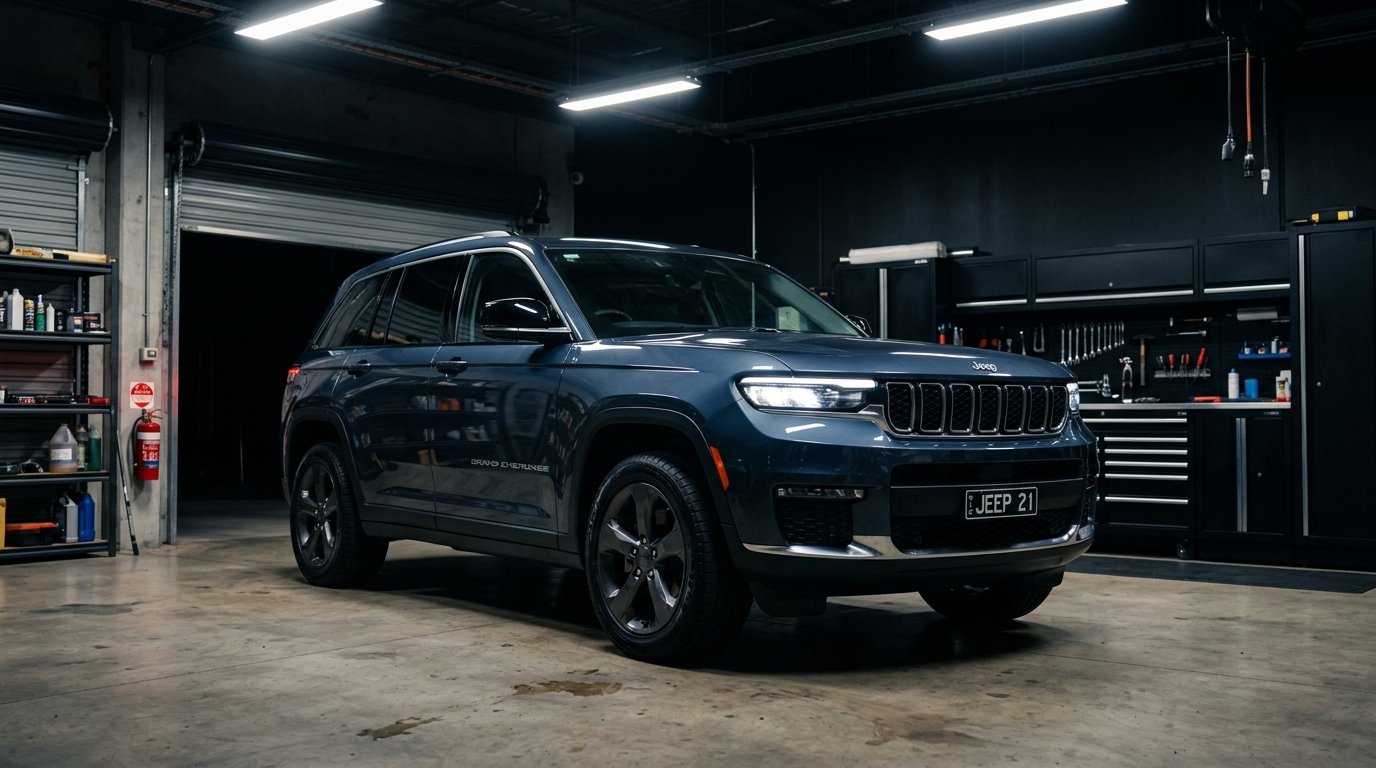
JEEP GRAND CHEROKEE COMMON PROBLEMS AND REPAIR COSTS
INTRODUCTION Purchasing a used Jeep Grand Cherokee without understanding its common failure points is a significant gamble, potentially turning a desirable SUV into a financial liability. This guide provides an in-depth analysis of recurring issues across popular used Grand Cherokee generations, detailing specific failure modes, typical mileage at occurrence, and realistic repair cost estimates. Savvy buyers will learn what to inspect, what to avoid, and how to anticipate ownership expenses to make an informed decision.
WHY THIS MATTERS A used Grand Cherokee can represent excellent value, offering capability and comfort at a fraction of its new price. However, overlooking common mechanical or electrical weaknesses can lead to substantial, unforeseen expenditures. For instance, a neglected 2008 Grand Cherokee with a failing Totally Integrated Power Module could demand $1,500 to $2,000 for a repair, while a 2014 model with a leaking air suspension strut might cost $1,000 to $1,800 per corner. Ignoring these known vulnerabilities transforms a potential $15,000 vehicle purchase into a $20,000 ownership headache within the first year. Understanding these specific risks empowers buyers to negotiate effectively, budget accurately for future maintenance, or walk away from a problematic vehicle, saving thousands in potential repairs and preserving their financial security. This diligence directly translates into a more reliable and cost-effective ownership experience.
THE TOP 5 / THE RANKINGS / THE YEARS
-
2007-2010 WK Generation Totally Integrated Power Module (TIPM) Failure The TIPM on Grand Cherokees from this era acts as the vehicle's central nervous system for electrical functions. Failure typically manifests as intermittent or complete loss of power to various components such as fuel pump, headlights, wipers, power windows, or even the starter. This issue commonly surfaces between 80,000 and 120,000 miles. Repair involves replacing the entire TIPM unit, which can cost between $1,000 and $2,000 depending on the specific model year and labor rates. A practical buyer tip is to operate all electrical accessories during a test drive, paying close attention to any hesitation or malfunction.
-
2011-2021 WK2 Generation Quadra-Lift Air Suspension Leaks Jeep's optional Quadra-Lift air suspension system offers variable ride height but is prone to leaks and compressor failures as components age. Owners often report the vehicle sagging overnight or one corner sitting lower than others. The air compressor can also fail from overwork due to persistent leaks. These issues typically emerge between 70,000 and 100,000 miles. Replacing a single air strut can cost $1,000 to $1,800, while a new air compressor runs $800 to $1,500. When inspecting, listen for the compressor running excessively and visually check for uneven ride height on a flat surface.
-
22011-2013 WK2 Generation 3.6L Pentastar Engine Cylinder Head Failure Early versions of the 3.6-liter Pentastar V6 engine, particularly in 2011-2013 Grand Cherokees, were susceptible to left cylinder head failure. This often results in a check engine light, misfires, reduced power, and an audible ticking noise from the engine. This issue typically appears between 50,000 and 90,000 miles. The repair involves replacing the affected cylinder head, which is a labor-intensive job costing between $2,500 and $4,000. Look for service records indicating a cylinder head replacement has already been performed or be wary of models within this year range without verifiable maintenance history.
-
2005-2010 WK Generation 5.7L Hemi Engine MDS Lifter Failure The 5.7L Hemi engine found in WK Grand Cherokees, equipped with the Multi-Displacement System (MDS), can suffer from premature lifter and camshaft wear. This manifests as a persistent ticking or knocking sound, especially noticeable at idle, and can lead to misfires. This problem typically surfaces between 90,000 and 150,000 miles. Repairing this often requires replacing the lifters and camshaft, a costly procedure estimated at $2,000 to $3,500. Listen carefully for any consistent ticking from the engine bay during startup and throughout the test drive.
-
2014-2018 WK2 Generation Uconnect System Glitches While not a mechanical failure, the Uconnect infotainment system in these model years is known for various software glitches, freezing, and unresponsiveness. Issues range from Bluetooth connectivity problems to unresponsive touchscreens or navigation failures. Though often resolvable with software updates, persistent problems can be frustrating. Repair costs, if a module replacement is needed, can range from $800 to $1,500. During the inspection, connect your phone via Bluetooth, test all audio sources, and use the navigation if equipped to ensure smooth operation.
WHAT TO CHECK BEFORE YOU BUY
- Examine the air suspension system for any sagging at one or all corners, indicating potential leaks.
- Press the brake pedal firmly and hold for 30 seconds to check for a spongy feel or pedal sinking, which suggests master cylinder or brake line issues.
- Listen carefully to the engine at idle and under acceleration for any ticking, knocking, or misfire sounds, particularly from Hemi or early Pentastar engines.
- Operate every interior electrical function including windows, door locks, radio, and climate control to detect TIPM or Uconnect system anomalies.
- Inspect the underside for any fluid leaks, especially around the differential, transmission, and power steering components.
- Shift through all gears during a test drive, noting any harsh shifts, delays, or slipping that could indicate transmission problems.
- Check for unusual tire wear patterns, such as feathering or cupping, which might point to suspension or alignment issues.
COST OF OWNERSHIP OVER 5 YEARS Owning a used Jeep Grand Cherokee involves a variable cost structure over five years, heavily influenced by the vehicle's initial condition and previous maintenance. Typical annual maintenance, including oil changes, tire rotations, air filter replacements, and brake inspections, can range from $300 to $600 for models with robust service histories. However, anticipated major repairs, like those detailed above, can significantly inflate these figures. For example, budgeting an additional $1,500 to $3,000 for potential air suspension or TIPM replacement within the five-year period is a pragmatic approach for a vehicle with 70,000 to 120,000 miles at purchase.
Fuel costs are a notable factor. A 3.6L Pentastar V6 model typically achieves 18-20 MPG combined, while a 5.7L Hemi V8 often drops to 15-17 MPG combined. With gasoline prices fluctuating, a driver covering 12,000 miles annually could expect to spend $2,000 to $2,600 per year on fuel for a V6, or $2,400 to $3,200 for a V8, assuming a national average of $3.50 per gallon. Over five years, this equates to $10,000 to $16,000 in fuel alone.
Insurance premiums for a Grand Cherokee vary widely based on location, driver age, driving record, and chosen coverage. Expect annual premiums to range from $1,200 to $2,500. Over five years, total insurance costs could be between $6,000 and $12,500. While a well-maintained Grand Cherokee can offer reliable service, the potential for significant, costly repairs on specific model years and generations demands a realistic and substantial contingency fund beyond routine maintenance.
OUR VERDICT A used Jeep Grand Cherokee can be a compelling purchase for its blend of capability and comfort, but a blanket recommendation is irresponsible. Avoid 2007-2010 WK models without clear evidence of a replaced TIPM, and exercise extreme caution with 2011-2013 WK2 models equipped with the 3.6L Pentastar engine unless a cylinder head replacement has been documented. The sweet spot for value and reduced major issue risk often lies in later WK2 models from 2016-2020 with the 3.6L Pentastar, ideally without the Quadra-Lift air suspension. These years generally offer a more refined ZF 8-speed transmission and improved Uconnect systems. For those seeking maximum reliability and lower long-term cost of ownership, alternatives like the Toyota Highlander or 4Runner present fewer known endemic issues, albeit often at a higher purchase price.
FREQUENTLY ASKED QUESTIONS
Q: What is a reasonable budget for a reliable used Grand Cherokee? A: A reliable used Grand Cherokee, particularly a WK2 generation model from 2015 onwards, typically ranges from $15,000 to $25,000, depending on mileage, trim, and condition. Earlier WK models or high-mileage WK2s can be found for less, but carry a higher risk of needing significant repairs.
Q: How many miles is too many for a used Jeep Grand Cherokee? A: For a Grand Cherokee, particularly WK2 models, reaching 150,000 to 200,000 miles is achievable with diligent maintenance. However, past 120,000 miles, buyers should anticipate needing major component replacements like suspension components, alternators, or water pumps, regardless of the vehicle's history.
Q: Which specific model years should a buyer avoid? A: Buyers should generally avoid 2007-2010 WK models due to widespread TIPM issues and 2011-2013 WK2 models equipped with the 3.6L Pentastar engine unless service records confirm the cylinder head has been replaced. These years present the highest risk of expensive, systemic failures.
Q: What are the most common known issues across Grand Cherokee generations? A: Common issues include electrical system failures (TIPM in WK), air suspension leaks and compressor issues (WK2), early Pentastar V6 cylinder head problems (WK2), and infotainment system glitches (WK2). These are typically the most costly and frustrating problems reported by owners.
Q: What is the average annual maintenance cost for a used Grand Cherokee? A: The average annual maintenance cost for a used Grand Cherokee can range from $500 to $800, excluding major repairs. This covers routine items like oil changes, tire rotations, and cabin air filters. However, budget an additional $1,000 to $2,000 annually for potential unexpected repairs on older models.
Q: Do Grand Cherokees hold their resale value well? A: Grand Cherokees generally hold their value moderately well, especially higher trim levels and those with the V8 engine, but not as strongly as some Japanese competitors like the Toyota 4Runner. Depreciation accelerates after 100,000 miles, making initial depreciation a boon for used buyers.