
Jeep Wrangler Years to Avoid (Worst to Best Ranked)
Avoid costly mistakes: learn the worst Jeep Wrangler years to skip and find the most reliable models in our definitive, ranked breakdown.
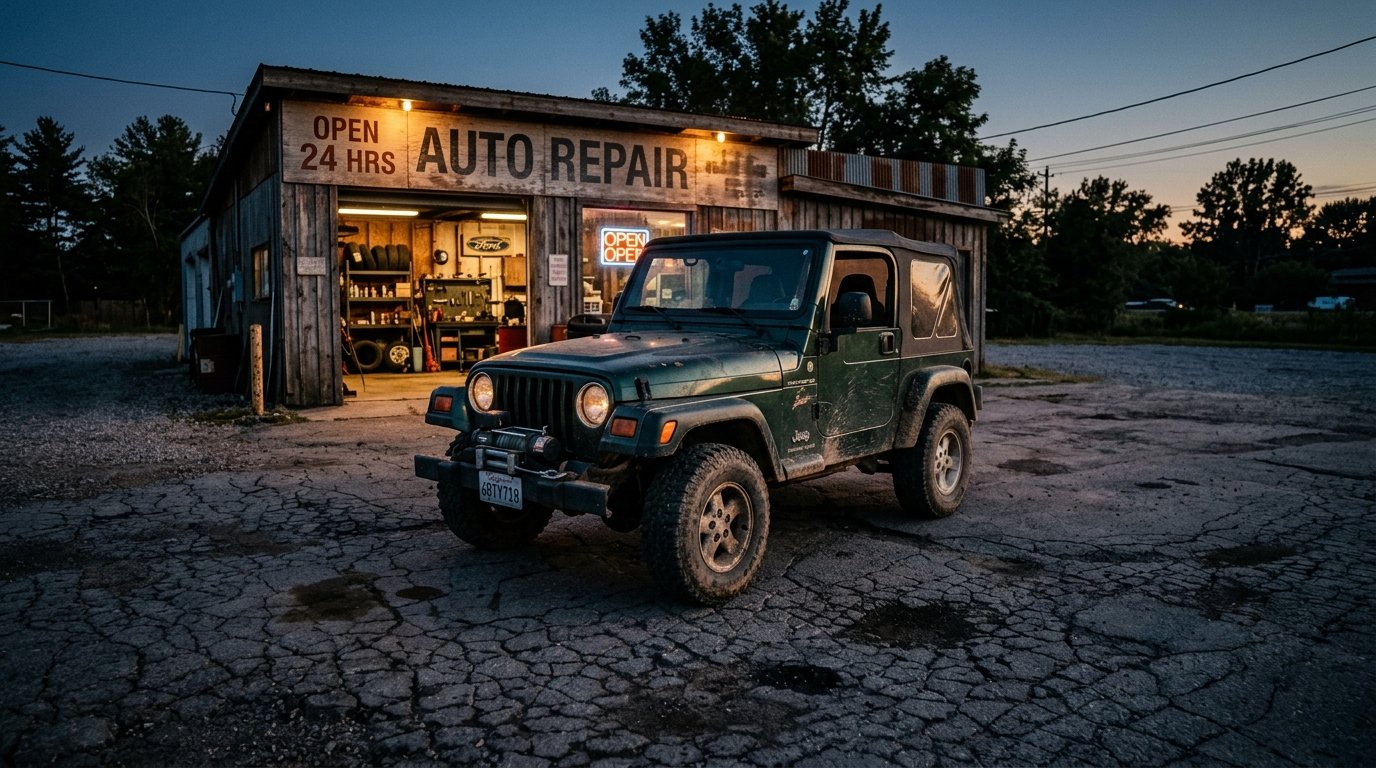
INTRODUCTION The siren song of a Jeep Wrangler is powerful, promising adventure, open-air freedom, and iconic style. But for the used car buyer, the allure can quickly turn to a financial nightmare if the wrong model year is chosen. This guide cuts through the noise, providing a definitive ranking of Jeep Wrangler model years from the worst to the best based on real-world reliability data and common failure points. Understand which years are plagued by expensive issues and which offer a more dependable path to off-road enjoyment, equipping you with the knowledge needed to make a smart purchase.
WHY THIS MATTERS Purchasing a used Jeep Wrangler without a clear understanding of its inherent reliability pitfalls is akin to playing Russian roulette with your finances. A poorly chosen Wrangler can easily rack up thousands of dollars in unexpected repair costs, turning a dream vehicle into a money pit. For instance, a common Totally Integrated Power Module failure in earlier JK models can cost between $900 and $1,800 to resolve, while a cylinder head replacement on certain Pentastar V6 engines may range from $2,000 to $3,500. These are not minor inconveniences; they represent significant outlays that can erase any savings from buying used and quickly exceed the vehicle's actual value. Beyond direct repair costs, chronic reliability issues lead to increased downtime, higher insurance premiums due to perceived risk, and diminished resale value when it is time to move on. Choosing wisely protects your investment and ensures your Wrangler delivers joy, not constant headaches.
THE RANKINGS
-
2007-2011 Jeep Wrangler JK These early JK models are notorious for a litany of issues, primarily centered around the subpar 3.8L V6 engine and the problematic Totally Integrated Power Module or TIPM. The 3.8L often suffers from excessive oil consumption as early as 70,000 miles, potentially leading to premature engine wear if not constantly monitored. A complete engine replacement can cost upwards of $4,000 to $6,000. The TIPM, which controls much of the vehicle's electrical system, is prone to failure, causing intermittent issues with fuel pumps, power windows, lights, and even the horn. A TIPM replacement averages $900 to $1,800. Buyer Tip: Absolutely demand comprehensive service records and look for signs of frequent oil top-offs or recent TIPM replacement.
-
2012-2014 Jeep Wrangler JK While these years introduced the more powerful and refined 3.6L Pentastar V6 engine, they were not without significant issues. The early production Pentastar engines, particularly those manufactured before mid-2013, were susceptible to cylinder head failure, often referred to as the "ticking head" issue. This usually manifests as a persistent ticking noise from the engine and can lead to misfires. The repair involves replacing the cylinder head, costing between $2,000 and $3,500, typically appearing around 70,000 to 120,000 miles. Some lingering TIPM issues from earlier JK years also persist. Buyer Tip: Listen carefully for any ticking noises from the engine and inquire if the cylinder heads have been replaced under warranty or recall.
-
2018-2019 Jeep Wrangler JL (Early Production) The first two years of the redesigned JL generation saw its share of initial production quirks and recalls. While generally a significant improvement over the JK, early JLs experienced issues such as steering wander, which could necessitate a steering gearbox replacement costing $1,200 to $2,000. There were also reports of intermittent electrical glitches related to the new infotainment system and power windows, though often resolved with software updates. Some owners also reported minor water leaks from the redesigned freedom panels. Buyer Tip: Thoroughly test the steering at various speeds, check all electrical accessories, and ensure the infotainment system responds smoothly.
-
1997-2006 Jeep Wrangler TJ The TJ generation is revered for its simplicity and ruggedness, but time has introduced its own set of common problems. The most significant concern for TJs is frame rust, especially in areas where road salt is used. Severe frame rust can compromise structural integrity and be extremely expensive to repair, often costing $1,000 to $5,000 or more depending on severity, or even rendering the vehicle irreparable. The 4.0L inline-six engine is legendary for durability but can develop minor oil leaks from the rear main seal (a $600-$900 job) and occasional crank position sensor failures ($200-$400). Buyer Tip: Perform a meticulous inspection of the entire frame for rust, paying close attention to the areas around the control arm mounts and skid plates.
-
2015-2017 Jeep Wrangler JK These later JK models represent the most refined and generally reliable years of the JK generation. Most of the critical Pentastar cylinder head issues were resolved by 2014, and the TIPM problems became less prevalent. While still a JK, meaning a certain level of ruggedness and less on-road refinement, these years generally offer a more stable ownership experience than their earlier counterparts. Common issues are mostly wear-and-tear items like ball joints ($500-$900 per axle) or wheel bearings ($300-$500 per wheel) at higher mileages. Buyer Tip: Focus on vehicles with good service history and inspect for routine wear items like suspension components and brakes, as these are the most likely upcoming costs.
-
2020 and Newer Jeep Wrangler JL The more recent JL models have largely ironed out the initial production issues seen in 2018 and 2019. The steering issues are less common, and the infotainment system is more stable. These models offer improved drivability, more advanced safety features, and a greater variety of powertrain options, including the 2.0L turbocharged engine and eventually the 4xe hybrid. While no vehicle is perfect, these years demonstrate greater build quality and fewer systemic reliability concerns, making them the most appealing option for a used Wrangler buyer seeking a balance of modern features and dependability. Buyer Tip: Prioritize models with lower mileage and consider the 2.0L turbo for its efficiency or the 4xe for hybrid benefits, but research long-term costs for the newer technologies.
WHAT TO CHECK BEFORE YOU BUY
- Inspect the frame thoroughly for rust, especially near suspension mounting points and skid plates. Use a small hammer to gently tap suspect areas for soft spots.
- Pull the engine oil dipstick and look for milky residue, which indicates coolant contamination, or a very low level which suggests oil consumption.
- Check all fluid levels and condition: transmission, transfer case, and differentials should have clean, appropriately colored fluid.
- Operate the transfer case through all its settings (2H, 4H, 4L) to ensure it engages smoothly without binding or grinding.
- Test every electrical component: headlights, turn signals, power windows, radio, air conditioning, and all dashboard warning lights (ensure they illuminate and then extinguish as expected).
- Look for evidence of water leaks inside the cabin, particularly around the soft top or Freedom Panels, indicated by damp carpet or mildew smell.
- Perform a thorough test drive to assess steering feel, brake operation, suspension noise, and engine performance under various conditions.
COST OF OWNERSHIP OVER 5 YEARS Owning a Jeep Wrangler, regardless of the year, typically incurs higher ownership costs compared to many other mainstream SUVs. Over a five-year period, expect to budget for several key areas. Routine annual maintenance, including oil changes, tire rotations, and filter replacements, will average $500 to $800 per year, assuming no major issues. Wranglers often require specialized off-road tires, which can run $200 to $400 per tire, and their suspension components, such as ball joints and tie rods, tend to wear faster if driven aggressively or off-road, costing $500 to $1,500 for replacements every few years.
Major repair risk is a significant factor. For the less reliable years discussed, budget an additional $1,000 to $2,000 annually for potential major repairs beyond routine maintenance. Even reliable Wranglers might need a new clutch ($1,000-$1,800) or differential service ($300-$600) over five years. Fuel costs are consistently high; Wranglers are not known for efficiency. Expect an average of 16-22 miles per gallon depending on the engine and modifications. At current fuel prices, budget $2,500 to $3,500 per year for fuel with average driving.
Insurance premiums for Wranglers can also be higher due to their appeal to younger drivers and perceived higher theft risk. Expect to pay $1,200 to $2,000 annually for comprehensive coverage, though this varies widely based on driver age, location, and driving history. Therefore, over five years, a used Jeep Wrangler can easily incur total ownership costs, excluding the purchase price, ranging from $20,000 for a well-maintained, reliable year to upwards of $35,000 for a problematic model requiring significant repairs.
OUR VERDICT For the discerning used car buyer prioritizing reliability and fewer headaches, we strongly recommend focusing your search on 2020 and newer Jeep Wrangler JL models. These years have largely resolved the initial production glitches and offer the most refined ownership experience with modern features and improved build quality. While no Wrangler is a beacon of flawless reliability, the later JLs present the best balance of iconic design and mechanical dependability, reducing the likelihood of major unexpected repair bills. Avoid the 2007-2014 JK models entirely due to their chronic, costly issues like TIPM failures and engine problems, which often outweigh any initial purchase price savings.
FREQUENTLY ASKED QUESTIONS
Q: What is a good budget for a used Jeep Wrangler? A: A realistic budget for a used Jeep Wrangler that offers a good balance of age and condition is $20,000 to $35,000. This range typically allows access to later JK models with better reliability or early JL models that have depreciated somewhat.
Q: What mileage is too high for a used Jeep Wrangler? A: While well-maintained Wranglers can exceed 200,000 miles, purchasing one over 120,000 miles significantly increases the risk of needing major repairs soon. For peace of mind, aim for models below 100,000 miles, especially for the less reliable years.
Q: Which specific years of Jeep Wrangler should be avoided? A: The 2007 to 2014 Jeep Wrangler JK models should generally be avoided. The 2007-2011 models suffered from the underpowered 3.8L engine and pervasive TIPM failures, while the 2012-2014 models were prone to cylinder head issues with the early Pentastar V6.
Q: What are the most known reliability issues across all Wrangler generations? A: Common reliability issues across various Wrangler generations include frame rust, especially on older TJs, electrical gremlins due to faulty TIPMs in JKs, premature wear of steering and suspension components, and persistent water leaks from removable tops. Engine issues like oil consumption or cylinder head failures are specific to certain JK years.
Q: How much should I expect to pay for maintenance on a used Jeep Wrangler annually? A: Expect to pay approximately $500 to $800 annually for routine maintenance, such as oil changes, tire rotations, and general inspections. However, budget an additional $1,000 to $2,000 per year for potential unexpected repairs, as Wranglers often have higher repair frequencies than average SUVs.
Q: Do Jeep Wranglers hold their resale value well? A: Yes, Jeep Wranglers are legendary for their strong resale value. Their iconic status, off-road capability, and enduring popularity ensure they depreciate slower than many other vehicles, making them a relatively good investment in terms of retained value.