
Most Reliable Used Sedans Under $10,000 in 2026
Find expert picks for the most reliable used sedans under $10,000 in 2026, ensuring you drive a dependable car without overspending.
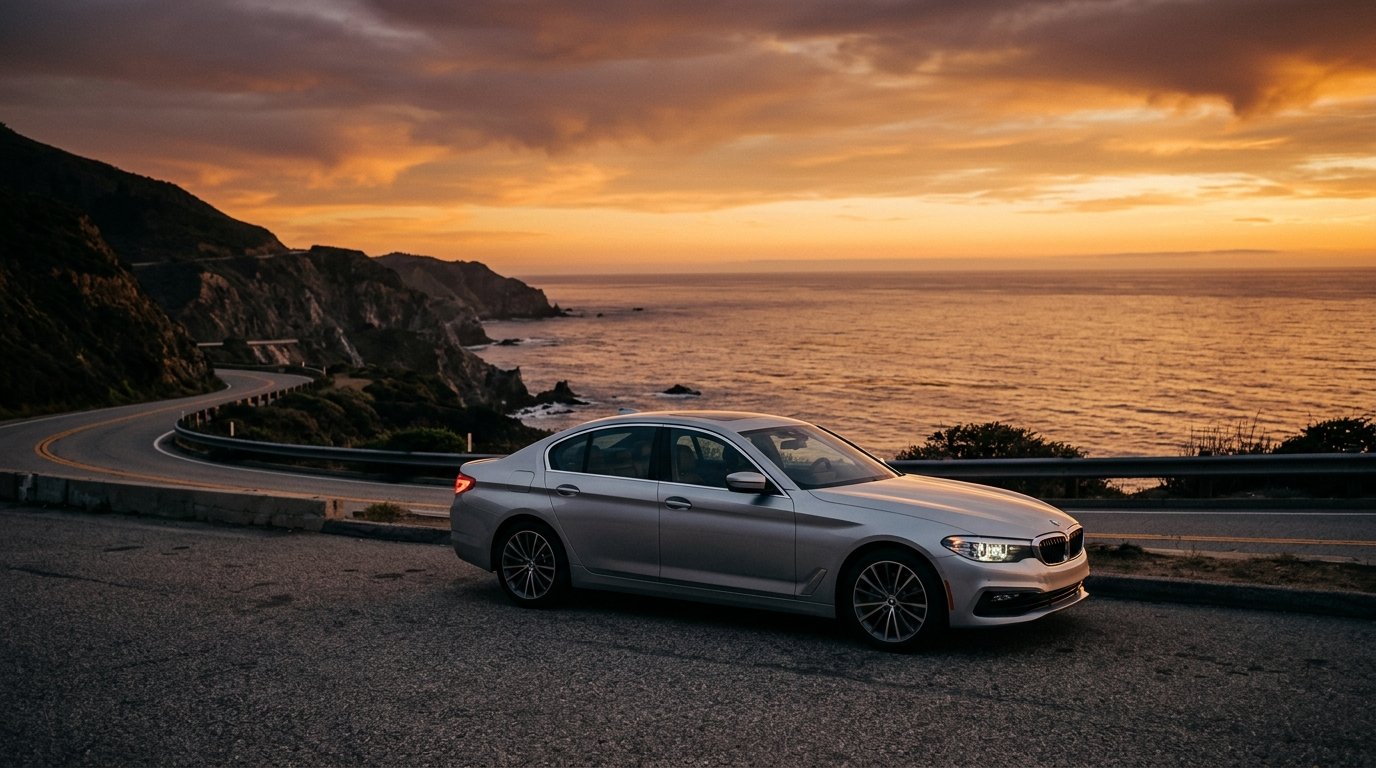
MOST RELIABLE USED SEDANS UNDER $10,000 IN 2026
INTRODUCTION Buying a used sedan for under $10,000 in 2026 presents a critical juncture: securing reliable transport or inheriting a money pit. The difference hinges on informed choices. This article cuts through the noise, identifying the most durable and cost-effective sedan options that consistently stand up to scrutiny in the secondhand market. We detail specific model years, common vulnerabilities, repair cost estimates, and essential pre-purchase inspection advice to ensure your next vehicle purchase is a sound investment.
WHY THIS MATTERS In the current automotive landscape, a budget of under $10,000 for a used sedan often means acquiring a vehicle with 100,000 to 180,000 miles. At this mileage, major component failures shift from possibility to probability. An unexpected transmission replacement, costing upwards of $3,500 to $5,000, or an engine rebuild priced between $4,000 and $7,000, can instantly double your initial investment and deplete emergency savings. Conversely, selecting a proven reliable model can translate into years of low-cost operation, deferring depreciation and maintenance heavy new car payments. Over five years, a reliable sedan typically requires $800 to $1,500 in annual routine maintenance and minor repairs, contrasting sharply with a less dependable choice that could demand $2,000 to $3,500 annually in unexpected repairs. Smart buying prevents financial strain and ensures dependable daily transportation for years to come.
THE TOP 5 / THE RANKINGS / THE YEARS
-
Toyota Camry (2007-2011) The Toyota Camry from model years 2007 to 2011 (XV40 generation) remains a benchmark for reliability. Its 2.5L 4-cylinder (starting 2009) and 3.5L V6 engines are exceptionally durable, as are the automatic transmissions. A common concern for the earlier 2.4L 4-cylinder engine (2AZ-FE), especially pre-2009, is excessive oil consumption, sometimes appearing around 100,000 to 150,000 miles. Addressing this issue can range from diligent oil level monitoring to, in severe cases, an engine rebuild or replacement costing $4,000 to $6,000. Water pump leaks are also possible around 100,000 miles, costing $300 to $500 to replace. Buyer Tip: Always check the oil level on the dipstick and inspect for any visible leaks around the water pump housing.
-
Honda Accord (2008-2012) Honda's eighth-generation Accord (2008-2012) offers a compelling blend of practicality and reliability, especially with the 2.4L K24Z2 4-cylinder engine, which is remarkably robust. The 3.5L V6 models, while powerful, can suffer from Variable Cylinder Management (VCM) related oil consumption and piston ring wear, often manifesting between 100,000 and 150,000 miles. Repair costs for VCM-related engine issues can quickly escalate to $3,000 to $5,000. Torque converter shudders are also more prevalent on V6 models, costing $1,200 to $2,000 to address. Buyer Tip: Prioritize the 4-cylinder Accord. If considering a V6, specifically ask about VCM issues and check for a VCM disabler device installation.
-
Mazda 3 (2010-2013) The second-generation Mazda 3, spanning 2010 to 2013, provides a more engaging driving experience without sacrificing reliability, particularly with its MZR 2.0L and 2.5L engines. Major mechanical failures are rare. However, the most significant long-term concern for these models, particularly in regions that use road salt, is rust development on the rear wheel arches and rocker panels. This can become apparent around 80,000 to 120,000 miles and cosmetic repairs are highly variable, from a few hundred dollars to several thousand for bodywork. Engine mounts can also wear prematurely, causing vibrations, typically costing $400 to $600 to replace. Buyer Tip: Conduct a thorough underbody and fender lip inspection for rust, paying close attention to the rear.
-
Ford Fusion (2010-2012) The facelifted first-generation Ford Fusion (2010-2012) is an underrated gem, especially when equipped with the reliable 2.5L Duratec 4-cylinder engine. Its Aisin-sourced automatic transmission is also a strong point. While generally solid, some Fusions can develop power steering pump leaks or failures around 100,000 miles, costing $600 to $900 for replacement. Climate control blend door actuators are also known to fail, resulting in improper temperature distribution; this repair can be $200 to $400 depending on labor. Occasional rough idling due to throttle body carbon buildup is another minor issue, typically a $250 to $400 cleaning or replacement. Buyer Tip: Test the power steering for smooth operation and listen for pump whine. Verify all climate control zones function correctly.
-
Hyundai Elantra (2011-2013) The fifth-generation Hyundai Elantra (2011-2013) offers great fuel economy and a comfortable ride, representing a significant leap forward in Hyundai's reliability. The 1.8L Nu engine, however, can develop an audible knocking sound due to piston slap or piston ring wear, typically emerging around 80,000 to 120,000 miles. If ignored, this can necessitate an engine replacement, an expense of $4,000 to $6,000. Some manual transmission models might also experience clutch master cylinder issues, costing $400 to $600 to fix. Buyer Tip: Start the engine cold and listen for any persistent knocking or ticking. Drive the car at various speeds to check for unusual engine noises under load.
WHAT TO CHECK BEFORE YOU BUY
- Fluid Condition: Pull the engine oil dipstick and check for a milky consistency, which indicates coolant contamination. Inspect transmission fluid for burnt smell or dark discoloration.
- Underbody Rust: Kneel down and look underneath the vehicle, focusing on rocker panels, subframes, and suspension components for excessive rust, not just surface oxidation.
- Engine Noises: Start the engine cold and listen for any persistent knocking, ticking, or whining sounds. A healthy engine should run smoothly and quietly after a brief warm-up.
- Transmission Shifting: During a test drive, pay close attention to the transmission. Shifts should be smooth and predictable, without harsh jerks, slips, or delayed engagement.
- Suspension and Steering: Drive over uneven surfaces and listen for clunking or squeaking from the suspension. Test the steering for excessive play or abnormal noises when turning.
- Electrical Functionality: Systematically test all interior and exterior lights, power windows, air conditioning, radio, and dashboard warning lights to ensure full functionality.
COST OF OWNERSHIP OVER 5 YEARS
Owning a reliable used sedan purchased for under $10,000 typically translates to a manageable cost of ownership over a five-year period, but it is not without expense. Annual routine maintenance, encompassing oil changes, tire rotations, brake pad replacements, and fluid flushes, will generally average between $800 and $1,500. This estimate assumes adherence to manufacturer-recommended service intervals and proactive addressing of minor wear-and-tear items before they escalate into larger problems. Neglecting these basic services invariably leads to more significant and costly repairs down the line.
Major repair risk is an inherent factor with any vehicle pushing past 100,000 miles. Even the most reliable models can experience unexpected failures. For instance, an alternator or starter motor replacement, common around 120,000 to 180,000 miles, typically costs $400 to $800. Suspension components like shocks or struts may need replacement, costing $600 to $1,000 per axle. While less likely for the models discussed, a major engine or transmission failure could incur costs of $3,000 to $7,000, representing a significant percentage of the car's initial purchase price. Setting aside an emergency repair fund of $1,000 to $2,000 is a prudent financial strategy.
Fuel costs will be a significant ongoing expense. Assuming an average fuel economy of 25-30 miles per gallon and driving 12,000 miles annually with gasoline priced at $3.50 per gallon, annual fuel expenses would range from approximately $1,400 to $1,680. Insurance premiums for older, value-oriented sedans are generally lower than for newer, more expensive vehicles. Comprehensive coverage for a driver with a clean record typically falls between $800 and $1,400 annually, varying considerably by location, driver age, and chosen deductible. Over five years, total ownership costs, excluding the purchase price, could reasonably range from $15,000 to $25,000, underscoring the importance of initial vehicle selection.
OUR VERDICT
For the budget-conscious buyer seeking maximum reliability under $10,000 in 2026, the Toyota Camry (2007-2011, especially the 2.5L 4-cylinder models from 2009 onwards) stands as the clearest buy recommendation. Its proven track record, minimal widespread critical flaws, and readily available parts make it an exceptionally safe bet for long-term, low-cost ownership. While the Honda Accord offers similar dependability in its 4-cylinder guise, the Camry's overall parts accessibility and simpler mechanicals often translate to marginally lower labor costs for common repairs. The other models present compelling value, but the Camry consistently delivers a higher probability of uneventful motoring into high mileage.
FREQUENTLY ASKED QUESTIONS
Q: What budget range should I realistically expect for a reliable used sedan in 2026? A: For a truly reliable used sedan in 2026, a budget between $7,000 and $10,000 is ideal. This range allows access to models with good maintenance histories and potentially lower mileage for their age, reducing the likelihood of immediate major repairs compared to cheaper alternatives.
Q: What is a reasonable mileage to expect on a $10,000 used sedan by 2026? A: Most reliable sedans under $10,000 in 2026 will likely have between 120,000 and 180,000 miles. Focus less on the absolute number and more on consistent service history, as a well-maintained high-mileage vehicle is often more dependable than a neglected lower-mileage one.
Q: Are there specific years or engine configurations to absolutely avoid within these reliable models? A: Yes. For the Toyota Camry, be cautious of the 2007-2008 2.4L engine due to higher oil consumption risk. For the Honda Accord, consider avoiding the V6 models from 2008-2012 due to Variable Cylinder Management issues that can lead to engine problems.
Q: What are the most common known issues for these recommended vehicles? A: Common issues include potential oil consumption in specific Toyota Camry 2.4L and Honda Accord V6 engines, rust on Mazda 3 rear wheel wells, power steering pump leaks in some Ford Fusions, and piston-related knocking in early Hyundai Elantra 1.8L engines. These are model-specific concerns outlined in the rankings.
Q: How much should I budget for annual maintenance costs for these sedans? A: For these reliable sedans, anticipate budgeting $800 to $1,500 annually for routine maintenance and minor repairs. This includes oil changes, tire rotations, brake service, and occasional wear-and-tear part replacements, ensuring the vehicle remains in optimal condition.
Q: How do these vehicles typically hold their resale value after several years of ownership? A: These models, particularly the Toyota Camry and Honda Accord, tend to retain strong resale value within the used car market due to their reputation for durability. While initial depreciation has already occurred, their continued reliability makes them desirable, minimizing further significant value loss for the second or third owner.