
Nissan Altima Common Problems and Repair Costs
Before you head to the mechanic, understand all common Nissan Altima problems, like transmission issues, and what their real repair costs are.
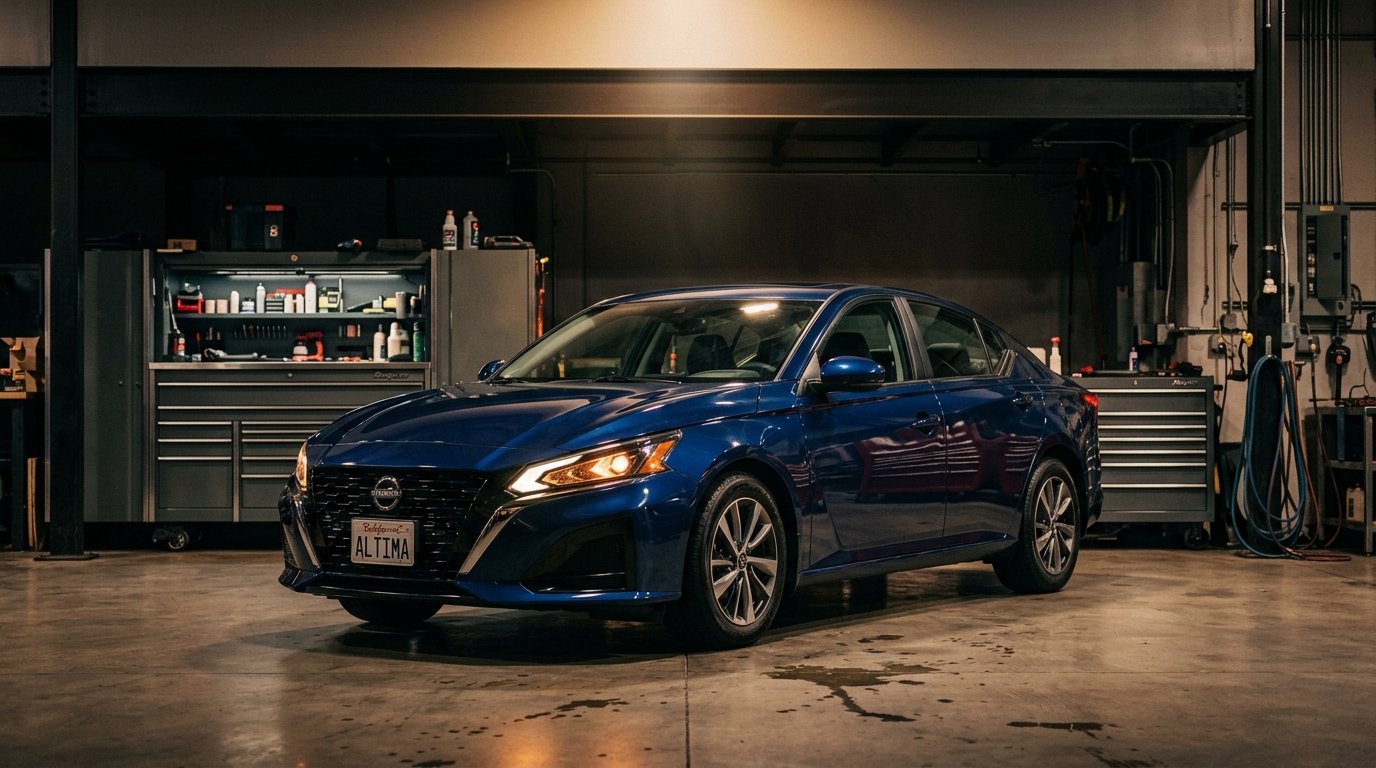
Nissan Altima Common Problems and Repair Costs
INTRODUCTION Purchasing a used vehicle is a significant financial decision, fraught with the potential for costly repairs if you choose unwisely. A thorough understanding of a specific model's common weaknesses can save prospective owners thousands in unexpected maintenance. This comprehensive guide details the most prevalent issues plaguing the Nissan Altima, specifically focusing on model years known for their particular vulnerabilities. We will explore typical failure points, their associated repair costs, and provide essential advice for any serious buyer.
WHY THIS MATTERS Ignoring known reliability trends when buying a used car is akin to gambling with your savings. A Nissan Altima with undisclosed or imminent problems can quickly turn a budget-friendly purchase into a financial drain, potentially costing more in repairs than the vehicle's initial price. For instance, a common CVT transmission failure can easily run between 3,500 and 5,000 US dollars, a figure that rivals the entire purchase price of some older models. Over five years, these major repair risks, coupled with routine maintenance, fuel, and insurance, can total over 15,000 US dollars, significantly impacting your household budget. Understanding these risks upfront allows you to negotiate better, budget for potential repairs, or simply walk away from a problematic vehicle, protecting your financial future and ensuring a more predictable ownership experience.
THE TOP 5
-
Continuously Variable Transmission (CVT) Failure This is by far the most notorious issue for the Nissan Altima, particularly affecting 2007 through 2017 model years. The JF010E and JF011E CVT units, prevalent in these generations, are known for premature failure due to internal bearing wear, overheating, and metal-on-metal contamination. Symptoms typically include shuddering during acceleration, hesitation, loud whining noises, and ultimately, a complete loss of power. These issues often manifest between 80,000 and 120,000 miles. A replacement CVT can cost between 3,500 and 5,000 US dollars for parts and labor at an independent shop, or upwards of 6,000 US dollars at a dealership. Buyer Tip: During a test drive, pay close attention to any unusual noises or shuddering, especially when accelerating or maintaining a steady speed.
-
Excessive Engine Oil Consumption Specific to the 2.5-liter QR25DE four-cylinder engine found in Altima models from 2002 through 2013, particularly the 2007-2013 generation, this problem involves piston rings failing to adequately scrape oil from the cylinder walls. This leads to the engine burning oil at an alarming rate, often requiring owners to add a quart or more between oil changes. Left unaddressed, it can lead to premature engine wear and catalytic converter damage. The issue often becomes noticeable around 70,000 to 110,000 miles. Repair involves engine teardown and piston ring replacement, costing anywhere from 2,500 to 4,000 US dollars. Buyer Tip: Check the oil level and condition thoroughly. Look for signs of frequent oil top-offs or a low oil level on the dipstick.
-
Electronic Steering Column Lock (ESCL) Failure This electronic security component, found in 2007 through 2013 Altima models equipped with a push-button start, is prone to failure. When the ESCL module malfunctions, the steering wheel remains locked, preventing the vehicle from starting. There was a recall for some Nissan vehicles for this issue, but not all Altimas were included or repaired. Symptoms usually occur without warning and can happen at any mileage. Replacement of the ESCL unit and reprogramming by a dealership can cost between 800 and 1,200 US dollars. Buyer Tip: Ensure the vehicle starts reliably and the steering wheel unlocks smoothly before purchase. Check for any service records related to this specific part.
-
Front Suspension Component Wear While somewhat common across all vehicle makes, Altima models from 2007 through 2018, particularly those driven on rough roads, show accelerated wear in front suspension components. This includes struts, control arm bushings, and sway bar links. Symptoms manifest as clunking noises over bumps, a loose feeling in the steering, and uneven tire wear. These issues typically become apparent between 70,000 and 100,000 miles. Replacing front struts can cost 500 to 800 US dollars per axle, while control arms might add another 400 to 700 US dollars, depending on parts and labor. Buyer Tip: Listen for any clunking or rattling noises from the front end during the test drive, especially over bumps or uneven pavement. Inspect tires for irregular wear patterns.
-
Oxygen Sensor and Catalytic Converter Issues Older Nissan Altimas, specifically 2002 through 2012 models, frequently experience problems with oxygen sensors and, consequently, catalytic converters. Failing O2 sensors (often due to age or wiring issues) can lead to a check engine light illumination, reduced fuel economy, and poor engine performance. If the oxygen sensors provide inaccurate readings, the engine runs too rich or too lean, eventually damaging the catalytic converter. Catalytic converter failure is most common after 100,000 miles. O2 sensor replacement runs 200 to 400 US dollars per sensor, while a new catalytic converter can cost between 1,000 and 2,500 US dollars or more. Buyer Tip: Ensure there are no active check engine lights on the dashboard. Use an OBD-II scanner to check for pending fault codes related to O2 sensors or catalyst efficiency.
WHAT TO CHECK BEFORE YOU BUY
- Inspect the Continuously Variable Transmission (CVT) fluid. Pull the dipstick (if equipped) and check the fluid color; it should be green or light brown, not dark brown or black, and free of metallic particles.
- Listen carefully during the test drive for any whining, grinding, or shuddering noises from the transmission, especially during gentle acceleration.
- Check the engine oil level and color on the dipstick. Note if the level is consistently low or if the oil appears unusually dark or milky.
- Perform a cold start and listen for any excessive ticking or rattling from the engine, which could indicate timing chain wear or other internal issues.
- During the test drive, turn the steering wheel lock-to-lock at low speeds and listen for any clunking or popping sounds from the front suspension.
- Ensure all dashboard warning lights illuminate briefly upon ignition and then turn off, particularly the Check Engine Light and the ABS light.
- Check for any excessive rust on the undercarriage, brake lines, and suspension components, particularly in regions that use road salt.
COST OF OWNERSHIP OVER 5 YEARS Owning a used Nissan Altima over a five-year period involves several financial considerations beyond the initial purchase price. Typical annual maintenance, including oil changes, tire rotations, fluid checks, and air filter replacements, will average between 400 and 600 US dollars. However, the risk of a major repair, particularly the infamous CVT failure in specific model years, significantly inflates potential costs. Budgeting an additional 700 to 1,000 US dollars per year for unexpected repairs is prudent, bringing the total estimated annual repair and maintenance closer to 1,100 to 1,600 US dollars. Over five years, this translates to 5,500 to 8,000 US dollars in upkeep alone, assuming no catastrophic engine or transmission issues.
Fuel costs will vary widely based on driving habits and local gas prices, but expect to spend approximately 1,500 to 2,000 US dollars annually given current prices and the Altima's average fuel economy of 25-30 MPG combined. Over five years, this equates to 7,500 to 10,000 US dollars. Insurance premiums are highly individualized but generally range from 1,200 to 1,800 US dollars per year for full coverage, adding another 6,000 to 9,000 US dollars over five years.
Factoring in routine maintenance, the high probability of major repairs (especially for specific CVT models), fuel, and insurance, the total cost of ownership for a used Nissan Altima over five years could easily range from 19,000 to 27,000 US dollars. This figure does not include the initial purchase price of the vehicle itself. Prospective buyers must seriously consider these substantial ongoing expenses before committing to an Altima, particularly models in the 2007-2017 range.
OUR VERDICT For most used car buyers prioritizing long-term reliability and predictable ownership costs, a used Nissan Altima is generally an avoid recommendation. The pervasive and expensive CVT transmission issues, coupled with significant engine oil consumption concerns in earlier generations, present too great a financial risk for the average budget-conscious buyer. While some later models (2018 onwards) show improved CVT reliability, the shadow of earlier failures persists, impacting resale value and peace of mind. Instead, consider alternatives such as the Honda Accord or Toyota Camry, which consistently demonstrate superior powertrain durability and overall lower cost of ownership, making them more financially sound choices in the used car market.
FREQUENTLY ASKED QUESTIONS
Q: Is a Nissan Altima a good car to buy on a tight budget? A: A used Nissan Altima can seem appealing due to its lower purchase price compared to rivals, but its overall cost of ownership, primarily driven by the high risk of expensive CVT transmission failure, often makes it a poor choice for a tight budget. Initial savings can quickly be wiped out by a single major repair.
Q: What mileage is too high for a used Nissan Altima? A: For most Altima models, particularly those from 2007-2017 equipped with the problematic CVT, any mileage above 100,000 should be approached with extreme caution. The risk of CVT failure significantly increases around this mileage range, making such vehicles a gamble unless the transmission has verifiable recent replacement or extensive service history.
Q: Which Nissan Altima years should be avoided? A: The 2007 through 2017 model years are generally the riskiest for the Nissan Altima due to widespread and costly Continuously Variable Transmission (CVT) failures. Additionally, 2007-2013 models with the 2.5L engine are prone to excessive oil consumption.
Q: What are the most common known issues with the Nissan Altima? A: The most common and expensive issues for the Nissan Altima include premature CVT transmission failure, excessive engine oil consumption (especially in 2.5L QR25DE engines from 2002-2013), and electronic steering column lock (ESCL) malfunctions in 2007-2013 models.
Q: How much does routine maintenance typically cost for a Nissan Altima? A: Routine maintenance for a Nissan Altima, including oil changes, tire rotations, and basic fluid checks, typically costs between 400 and 600 US dollars annually. However, this does not account for major repairs like a transmission or engine replacement, which can drastically increase yearly expenses.
Q: What is the resale value like for a used Nissan Altima? A: The resale value of a Nissan Altima tends to be lower than competitors like the Honda Accord or Toyota Camry, largely due to its reputation for reliability issues, particularly related to the CVT. This means Altimas depreciate more quickly, making them less valuable as trade-ins or private sales.