
Subaru Outback Years to Avoid (Worst to Best Ranked)
Avoid common pitfalls! Learn the worst Subaru Outback years and discover the most reliable models with our comprehensive worst-to-best rankings.
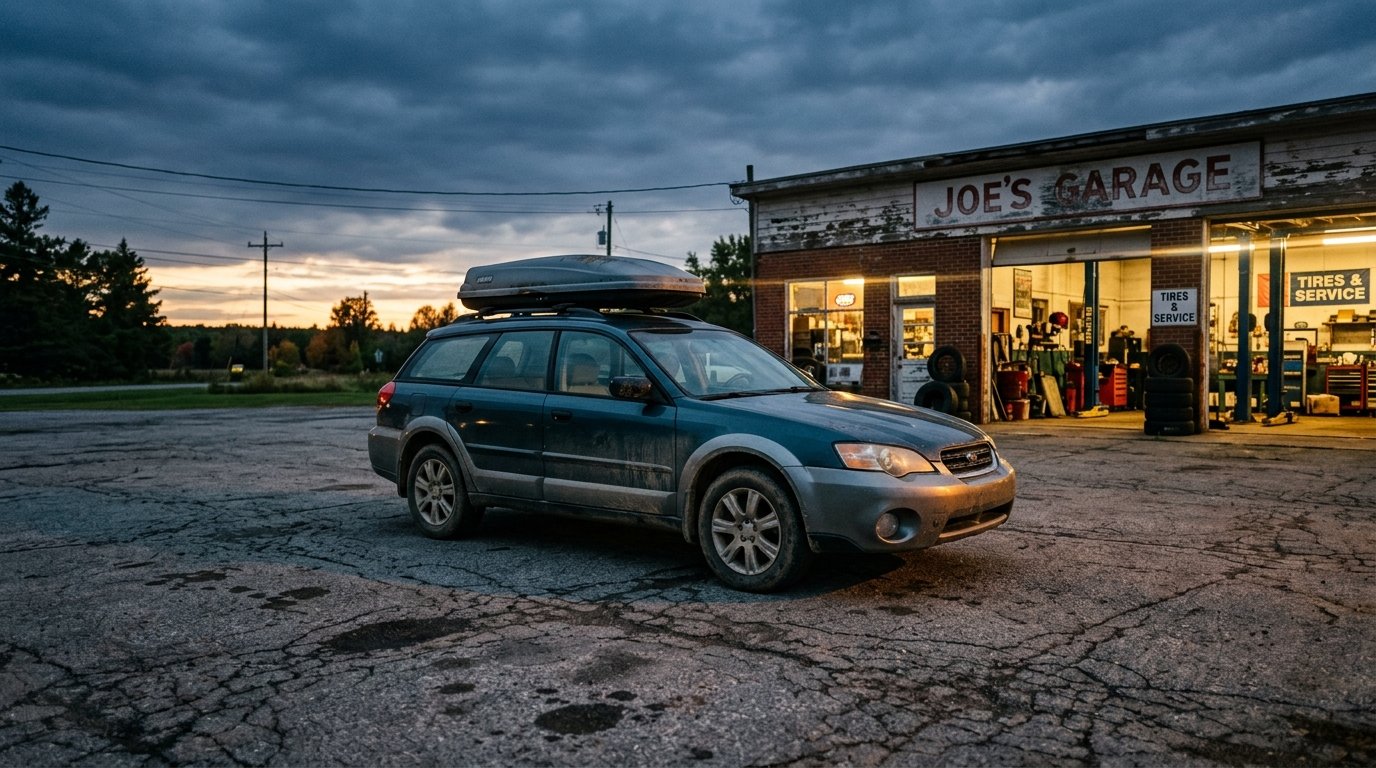
INTRODUCTION The promise of a versatile, all-wheel-drive Subaru Outback can be compelling, offering capability for adventure and practicality for daily life. However, a used Outback can either be a steadfast companion for many years and miles, or it can become a significant drain on your finances and patience. This comprehensive guide dissects the Subaru Outback's reliability record across various generations and specific model years, arming you with the critical knowledge to make an informed buying decision. We will highlight the notorious years to approach with extreme caution, pinpoint the common failure points, provide realistic repair cost estimates, and ultimately rank the best model years for long-term ownership.
WHY THIS MATTERS Purchasing a used vehicle is a major financial commitment, and opting for the wrong Subaru Outback year can turn a smart investment into a substantial liability. The financial stakes are high: common issues like head gasket failures on older models can demand $2,000 to $4,000 for repairs, while a problematic Continuously Variable Transmission, or CVT, in certain generations could require a replacement costing upwards of $6,000 to $8,000. These unexpected repairs can quickly erase any initial savings from buying used. Conversely, selecting a known reliable year not only minimizes unforeseen expenses but also secures a vehicle with strong resale value and predictable operating costs, preserving your capital and your peace of mind over years of ownership. Understanding these specific risks and opportunities ensures you invest wisely in a vehicle that serves your needs, rather than depleting your wallet.
THE SUBARU OUTBACK YEARS RANKED: WORST TO BEST
-
2000-2004 (Second Generation) The second generation Outback, particularly those equipped with the 2.5-liter EJ25 engine, is notorious for internal and external head gasket failures. This issue typically manifests between 90,000 and 150,000 miles, leading to coolant leaks, overheating, or coolant mixing with oil. The estimated repair cost for head gasket replacement ranges from $2,000 to $3,500, depending on the shop and whether additional components like the timing belt are serviced concurrently. Buyer Tip: Always demand service records specifically showing head gasket replacement. If none exist, factor the cost of this repair into your offer or walk away.
-
2005-2009 (Third Generation) While Subaru engineers attempted to address the head gasket issue, it persisted into the early years of the third generation, albeit with a slightly improved design. These years still carry a significant risk of head gasket leaks on the 2.5-liter engine. Additionally, premature wear of CV joint boots is common, leading to joint failure if not addressed. Head gasket repairs remain in the $2,000 to $3,500 range, while a single CV axle replacement costs $400 to $700. Buyer Tip: Inspect the underside for torn CV joint boots and listen for clicking noises during sharp turns, which indicates a failing CV joint.
-
2010-2014 (Fourth Generation) This generation introduced a new set of significant concerns. The 2.5-liter engine in many of these models, especially 2011-2014, is prone to excessive oil consumption due to poorly designed piston rings. More critically, the Continuously Variable Transmission (CVT) in these years, particularly before 2012, has a high failure rate, often manifesting as shuddering, slipping, or complete loss of drive around 100,000 to 150,000 miles. A CVT replacement is an expensive repair, typically costing between $6,000 and $8,000. Buyer Tip: Check the oil level diligently during your inspection. During a test drive, pay close attention to the transmission for any hesitation, rough shifts, or unusual noises.
-
2015-2017 (Fifth Generation - Early Years) While major powertrain issues largely subsided, these years were not without their flaws. The 2.5-liter engine still showed reports of noticeable oil consumption, though less severe than the prior generation. The Starlink infotainment system was notoriously buggy and slow, frequently freezing or experiencing connectivity issues. Additionally, some owners reported premature rear wheel bearing failures, costing $800 to $1,200 per side. Buyer Tip: Test every function of the infotainment system thoroughly. Check the oil level and ask about oil change frequency.
-
1996-1999 (First Generation) The original Outback models are mechanically simpler and, when properly maintained, can be surprisingly durable. While some early EJ25 engines could develop head gasket issues, they were generally less pervasive than in the later second generation. The primary concern for these older models is age related wear and tear, and rust, especially in regions with road salt. Buyer Tip: Focus on well-preserved, low-rust examples with a complete service history. A pre-purchase inspection by a Subaru specialist is crucial to assess overall condition.
-
2018-2019 (Fifth Generation - Later Years) Subaru largely ironed out the infotainment system glitches by these model years, and reports of excessive oil consumption were significantly reduced. While no car is perfect, these years represent a more refined and reliable iteration of the fifth generation, making them a solid used car choice. Minor issues occasionally pop up, but nothing systemic or prohibitively expensive. Buyer Tip: Ensure all recalls, particularly those related to the fuel pump, have been performed by a Subaru dealership.
-
2020-Present (Sixth Generation) The latest generation Outback offers significant improvements in refinement, technology, and overall reliability. Powertrain options are robust, with the 2.5-liter naturally aspirated engine and the 2.4-liter turbocharged engine both proving reliable. The infotainment system is vastly improved. Early reports suggest minor issues like parasitic battery drain, but these are generally easily addressed under warranty. Buyer Tip: These models are newer and command higher prices, but offer excellent long-term reliability prospects. Verify battery health and ensure any software updates are current.
WHAT TO CHECK BEFORE YOU BUY
- Pull the oil dipstick and carefully examine the oil. Look for a milky or frothy appearance, which indicates coolant contamination, or a very low level, suggesting consumption or leaks.
- Inspect around the cylinder heads on both sides of the engine for any signs of dried coolant residue or oily weeping, which are classic indicators of head gasket leaks.
- Carefully examine the underside of the vehicle for any fluid leaks, particularly around the oil pan, transmission, and differential. Also check the CV axle boots for tears or grease sling.
- During a test drive, pay close attention to the transmission. Listen for any whining, grinding, or shuddering, particularly during acceleration or steady cruising, as these can indicate CVT issues.
- Test every button and feature on the infotainment screen. Ensure the touchscreen responds accurately, Bluetooth connects, and no software glitches or freezes occur.
- Pop the hood and check the battery terminals for excessive corrosion. A weak battery can cause a myriad of electrical gremlins in modern vehicles.
- Request and scrutinize all available service records. Look for evidence of consistent oil changes, any major component replacements like head gaskets or transmissions, and recall completions.
COST OF OWNERSHIP OVER 5 YEARS The overall cost of owning a Subaru Outback for five years will vary substantially based on the model year selected, driving habits, and regional repair costs. For a generally reliable Outback from 2018 or newer, expect annual routine maintenance costs, including oil changes, tire rotations, air filters, and occasional fluid flushes, to range from $400 to $700. Over five years, this totals $2,000 to $3,500.
However, selecting a problematic year drastically inflates these figures. A head gasket failure on a 2000-2009 model could add $2,000 to $4,000 to your costs, while a CVT replacement on a 2010-2014 Outback could saddle you with an additional $6,000 to $8,000. Even more minor issues like wheel bearing replacements could add $800 to $1,200 per side. These major repair risks are the primary differentiator in long-term ownership costs between good and bad model years.
Fuel costs are fairly consistent across generations, with most Outbacks achieving combined fuel economy in the mid-20s miles per gallon. Assuming 12,000 miles driven annually and an average fuel price of $3.50 per gallon, you would spend approximately $1,700 to $2,000 on fuel each year, totaling $8,500 to $10,000 over five years. Insurance premiums are highly variable based on your location, driving record, and chosen coverage, but typically range from $1,200 to $2,000 annually for an Outback, equating to $6,000 to $10,000 over five years.
OUR VERDICT For used Subaru Outback buyers, the clear recommendation is to target models from 2018 or newer. These vehicles largely resolved the systemic issues that plagued earlier generations, offering a robust blend of reliability, modern features, and proven performance. Exercise extreme caution with 2000-2009 models due to persistent head gasket risks and avoid 2010-2014 models unless you have ironclad evidence of a recent CVT replacement, as the transmission failure risk is substantial. If your budget is tighter, a well-maintained first-generation Outback (1996-1999) could be a surprisingly resilient option, provided you find a rust-free example. For those prioritizing absolute bulletproof reliability above all else, alternatives like the Toyota RAV4 or Honda CR-V might be a safer bet, but a carefully selected newer Outback offers a unique combination of capability and value.
FREQUENTLY ASKED QUESTIONS
Q: What is a good budget for a used Subaru Outback? A: A realistic budget depends on the desired year and condition. Expect $5,000-$10,000 for older, higher-mileage models with inherent reliability risks. For more dependable recent generations (2018 or newer), a budget of $15,000-$25,000 will provide better options.
Q: How many miles is too many for a used Outback? A: Mileage is less critical than a thorough service history. A 150,000-mile Outback with complete maintenance records, including documented major repairs like head gasket or CVT replacement (if applicable), is often a safer purchase than a 90,000-mile example with no history.
Q: Are there any specific years of Subaru Outback to definitively avoid? A: Yes, definitively avoid the 2000-2009 models due to pervasive head gasket failure risks. Also, approach the 2010-2014 models with extreme caution, as they carry a significant risk of costly CVT transmission failure and excessive oil consumption.
Q: What are the most common known issues with the Outback? A: Historically, the most prevalent issues include head gasket leaks on 2000-2009 models, excessive oil consumption on 2.5-liter engines from 2010-2017, and expensive CVT transmission failures on 2010-2014 models. Later models largely resolved these, having more minor infotainment glitches or isolated issues.
Q: What is the average maintenance cost for a Subaru Outback? A: Annual routine maintenance, covering oil changes, tire rotations, and general inspections, typically ranges from $400 to $700. However, be prepared for potential major repair costs, such as $2,000-$4,000 for head gaskets or $6,000-$8,000 for a CVT on specific problematic years.
Q: Do Subaru Outbacks hold their resale value well? A: Yes, Subaru Outbacks generally maintain excellent resale value, especially well-maintained examples from the more reliable model years. Their strong demand, all-wheel-drive capability, and perceived durability contribute to this strong value retention in the used car market.