
Toyota RAV4 Years to Avoid (Worst to Best Ranked)
Uncover the definitive Toyota RAV4 worst-to-best ranking to identify years to avoid and find the most reliable models for your next purchase.
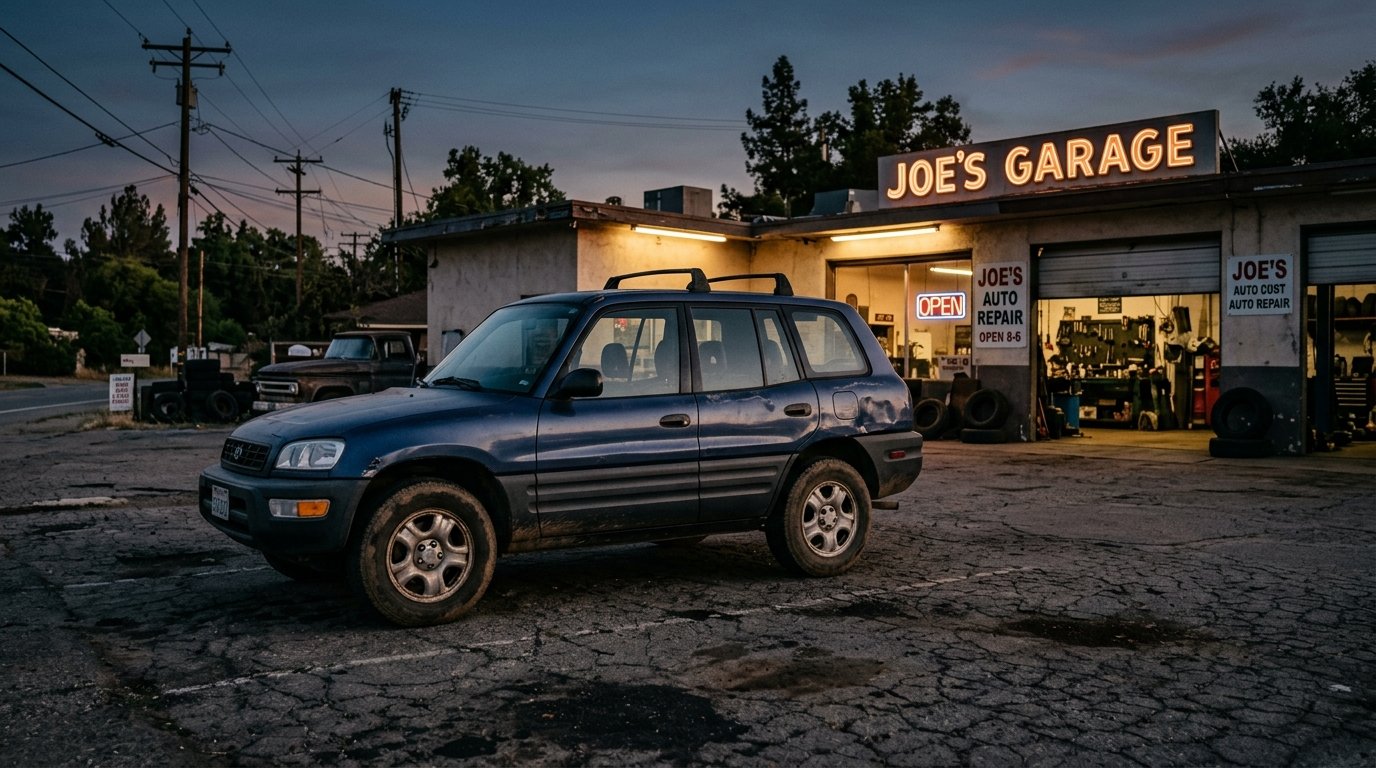
TOYOTA RAV4 YEARS TO AVOID (WORST TO BEST RANKED)
INTRODUCTION Choosing the wrong used car can quickly turn a smart purchase into a financial burden, leaving owners stranded with unexpected repair bills and constant frustration. The Toyota RAV4, a perennially popular compact SUV, enjoys a reputation for reliability, but not all model years are created equal. This comprehensive guide dissects the RAV4's history, pinpointing specific years plagued by costly mechanical failures and highlighting the most dependable iterations for used car buyers. We provide precise details on failure modes, typical mileage at which issues appear, and estimated repair costs to arm you with critical knowledge.
WHY THIS MATTERS Investing in a used vehicle means navigating a landscape of potential hidden problems. For a Toyota RAV4, a model year prone to engine issues can transform an $12,000 purchase into a $17,000 liability after an unforeseen repair. Consider the impact of a 2007 RAV4 with the notorious 2AZ-FE engine developing excessive oil consumption. A proper piston and ring replacement to resolve this can cost approximately $4,500. This single repair negates any initial savings from buying a cheaper, older model, and potentially leaves you with a vehicle that still has other age-related issues. Conversely, a carefully selected 2015 RAV4, while costing perhaps $18,000 upfront, is likely to incur only routine maintenance for years, saving thousands in the long run. Understanding these specific risks and opportunities is paramount to making a financially sound decision and securing dependable transportation without unexpected drains on your wallet.
THE RANKINGS: WORST TO BEST RAV4 YEARS
-
2007-2008 (The Years to Strongly Avoid) Specific failure mode: These model years are infamous for excessive oil consumption in the 2.4-liter 2AZ-FE 4-cylinder engine. This problem stems from poorly designed piston rings that fail to properly scrape oil from cylinder walls. While less common, the 3.5-liter V6 in some of these years also saw reports of head gasket failures. Typical mileage: Oil consumption often becomes evident between 60,000 and 90,000 miles, manifesting as a need to add a quart of oil every 1,000 to 2,000 miles. Repair cost estimate: Addressing the oil consumption issue typically involves replacing the pistons and piston rings, an engine-out procedure costing approximately $4,500. A V6 head gasket replacement can range from $2,800 to $4,200. Practical buyer tip: Absolutely avoid these years unless you have definitive proof, with receipts, that the engine has undergone a full rebuild or a new engine was installed to specifically correct the oil consumption issue.
-
2006 (Precursor to Piston Ring Issues, Transmission Concerns) Specific failure mode: The 2006 model year also suffers from the same 2.4-liter 2AZ-FE engine oil consumption problem as its later counterparts, though it gained less widespread notoriety. Additionally, some 4-cylinder automatic transmissions in this year exhibited premature wear, leading to harsh shifts or outright failure. Typical mileage: Transmission issues typically surface around 100,000 to 120,000 miles. Oil consumption symptoms mirror those of the 2007-2008 models. Repair cost estimate: A transmission replacement can cost approximately $4,000. Engine oil consumption repair remains around $4,500. Practical buyer tip: Drive this model year extensively during a test drive. Pay close attention to transmission behavior, specifically any hesitation, jerking, or delayed engagement when shifting gears. Check for low oil levels before starting.
-
2009-2012 (Transition Years with Lingering Engine Issues) Specific failure mode: The 2.4-liter 2AZ-FE engine, with its oil consumption issues, persisted in the 2009 and early 2010 models. Toyota introduced the improved 2.5-liter 2AR-FE engine mid-way through 2010, which largely resolved the oil burning. The optional V6 continued to be a strong performer, with fewer head gasket reports than earlier years, but some isolated cases exist. Typical mileage: Oil consumption in the older 4-cylinder engine would typically appear between 70,000 and 100,000 miles. Repair cost estimate: For models with the problematic 2AZ-FE, repair remains around $4,500. Practical buyer tip: For these years, prioritize models equipped with the 2.5-liter 2AR-FE engine. Verify the engine code with the seller or a mechanic. A V6 model from these years is also a safer bet, but a pre-purchase inspection is still essential.
-
2013-2015 (Solid Fourth Generation Entry) Specific failure mode: These years marked the introduction of the fourth-generation RAV4, exclusively powered by the reliable 2.5-liter 2AR-FE 4-cylinder engine. Major mechanical issues are scarce. Some minor complaints relate to interior plastics or the infotainment system not always being intuitive. Typical mileage: No widespread major powertrain issues are reported for these model years. Repair cost estimate: Minor electrical or accessory repairs, if needed, typically remain under $600. Practical buyer tip: Inspect the functionality of all electronics, including the infotainment screen, Bluetooth connectivity, and any optional features like the power liftgate, as these can be minor points of frustration.
-
2016-2018 (Refined Fourth Generation) Specific failure mode: These model years represent the peak of the fourth generation's reliability and feature set. They retain the robust 2.5-liter 2AR-FE engine and benefit from improved interior materials and available advanced safety features (Toyota Safety Sense-P). No significant systemic mechanical issues are widely reported. Typical mileage: Expected reliability well beyond 150,000 miles with proper maintenance. Repair cost estimate: Anticipate only routine maintenance costs. Unexpected repairs are infrequent and typically minor, costing less than $500. Practical buyer tip: Look for models equipped with Toyota Safety Sense-P, which often includes features like adaptive cruise control, lane departure alert, and automatic emergency braking, adding significant value and safety.
-
2019+ (Excellent Fifth Generation) Specific failure mode: The fifth-generation RAV4, built on Toyota's TNGA platform, introduced new Dynamic Force 2.5L engines and highly efficient hybrid powertrains. Early production models did experience a recall for a potentially failing fuel pump, which Toyota addressed under warranty. Beyond this, these models are exceptionally reliable and fuel-efficient. Typical mileage: As these are newer models, high mileage reports are still accumulating, but initial indications show typical Toyota long-term reliability. Fuel pump issues were generally resolved pre-sale or under recall. Repair cost estimate: Outside of recall-related fixes covered by the manufacturer, costs are minimal, focused on standard maintenance. Practical buyer tip: For maximum fuel efficiency, strongly consider the hybrid models. Always verify that any open recalls, particularly the fuel pump recall for early 2019-2020 models, have been completed by a Toyota dealership.
WHAT TO CHECK BEFORE YOU BUY
- Oil Dipstick Inspection: Pull the engine oil dipstick and visually check the oil level. Ensure it is at the full mark and examine the oil for excessive darkness, metallic particles, or a milky, foamy appearance, which can indicate coolant contamination.
- Exhaust Tailpipe Examination: Look inside the exhaust tailpipe. Black, sooty residue can suggest a rich fuel mixture, blue smoke indicates burning oil, and white smoke might point to a coolant leak.
- Engine Bay Scrutiny: Inspect the engine compartment for any signs of fluid leaks (oil, coolant, power steering fluid), unusual stains, or a burning smell that persists after the engine has warmed up.
- Transmission Performance Check: During a comprehensive test drive, pay close attention to the automatic transmission. Note any harsh shifts, slipping between gears, or delays in engagement when selecting drive or reverse.
- Steering and Suspension Assessment: Listen for any clunking, squeaking, or groaning noises when turning the steering wheel or driving over bumps. Check for excessive play in the steering wheel itself.
- Underbody Rust Inspection: In regions that use road salt, thoroughly inspect the vehicle's underside, including the subframe, rocker panels, brake lines, and suspension components, for excessive corrosion or perforations.
- Service Record Verification: Always request and review the vehicle's maintenance history. Consistent oil changes, transmission fluid services, and documented repairs are strong indicators of a well-cared-for vehicle.
COST OF OWNERSHIP OVER 5 YEARS The overall cost of ownership for a Toyota RAV4 is generally favorable, but it varies significantly depending on the model year selected. For the most reliable years (2013 and newer), expect average annual maintenance costs to range from $400 to $600. This covers routine items such as oil changes, tire rotations, brake pad replacements, and fluid top-offs. Major services, such as spark plug replacement or transmission fluid flushes, occur less frequently but will increase annual averages in those specific years.
The risk of major, unexpected repairs is substantially lower for later model RAV4s. Opting for a 2013 or newer model significantly reduces the chance of incurring multi-thousand-dollar engine or transmission repairs, keeping major repair costs potentially near zero to $1,000 over five years. However, choosing a problematic year like 2007 could easily lead to an engine rebuild costing $4,500 or more, dramatically altering the ownership equation and potentially making the car uneconomical to keep.
Fuel costs are a significant factor. Older 4-cylinder models (pre-2013) typically achieve 22-28 miles per gallon combined. Newer 4-cylinder models (2013-2018) often deliver 28-32 miles per gallon. The fifth-generation (2019+) 4-cylinder achieves around 30-35 miles per gallon, while the hybrid versions excel at 38-40+ miles per gallon combined. Assuming 12,000 miles driven annually and an average fuel cost of $3.50 per gallon, a 28 MPG RAV4 would cost approximately $7,500 in fuel over five years, while a 38 MPG hybrid would reduce that to around $5,500.
Insurance premiums for a RAV4 typically fall between $1,200 and $1,800 annually, depending on your location, driving record, coverage level, and the specific model year. Over five years, this equates to a cost ranging from $6,000 to $9,000. When combining these factors, a reliable RAV4 can provide ownership costs that are very competitive, especially when avoiding the known problematic years.
OUR VERDICT For used car buyers seeking maximum reliability and value, our clear recommendation is to focus on Toyota RAV4 models from 2013 through 2018. These years offer a robust, proven 2.5-liter engine, minimal systemic issues, and a comfortable balance of features and efficiency. If your budget allows, the 2019 and newer fifth-generation models, especially the hybrids, represent the pinnacle of RAV4 ownership with exceptional fuel economy and modern safety. Conversely, we strongly advise against purchasing any Toyota RAV4 from the 2006 to 2008 model years due to the pervasive and costly oil consumption issues and potential transmission vulnerabilities. While alternatives like the Honda CR-V are formidable competitors, a well-chosen RAV4 remains a top-tier choice for its blend of durability and practicality.
FREQUENTLY ASKED QUESTIONS
Q: What is a good budget for a used Toyota RAV4? A: A budget of $15,000 to $25,000 will generally provide access to reliable 2013-2018 RAV4 models with reasonable mileage and solid condition. If your budget is higher, $25,000 to $35,000 opens up newer, lower-mileage, and desirable hybrid options from 2019 onward.
Q: How many miles is too many for a used RAV4? A: A properly maintained Toyota RAV4 can reliably exceed 200,000 miles. For the problematic 2006-2008 years, even lower mileage might conceal impending engine issues. For reliable model years, 100,000 to 150,000 miles is acceptable if comprehensive service records are available.
Q: Are there any specific years of RAV4 that are known for serious transmission problems? A: While less common than the engine oil consumption issue, some 2006 to 2008 RAV4 models equipped with the 4-cylinder engine have reported automatic transmission failures. Always conduct a thorough test drive to assess smooth and consistent shifting.
Q: What are the most common known issues across all RAV4 generations? A: The most significant recurring issue across generations was the excessive oil consumption in the 2.4-liter 2AZ-FE engine found in 2006-2011 models. Beyond this specific engine problem, the RAV4 generally exhibits high reliability, with most other issues being typical wear-and-tear items.
Q: What is the typical maintenance cost for a RAV4? A: Owners can expect to pay approximately $400 to $600 annually for routine maintenance on a RAV4, encompassing oil changes, tire rotations, and general inspections. This figure will increase during years requiring major service intervals like spark plug replacements or fluid flushes.
Q: Does the RAV4 hold its resale value well? A: Yes, Toyota RAV4 models are widely recognized for their exceptional resale value, consistently ranking among the best in the compact SUV segment. This strong retention of value is a significant financial benefit, effectively lowering the overall cost of ownership.