
Toyota Tacoma Common Problems and Repair Costs
Find common Toyota Tacoma problems and their average repair costs, vital information for current owners and future buyers to save money.
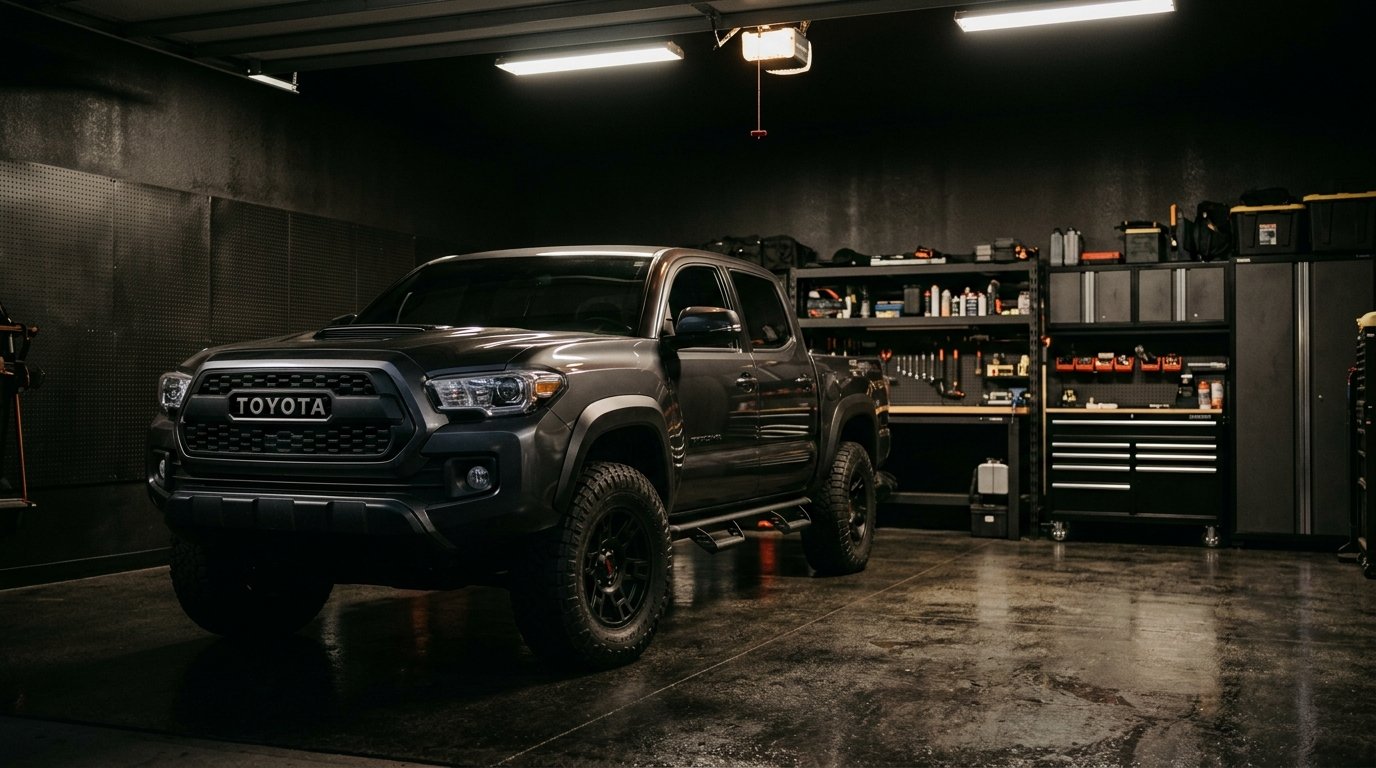
INTRODUCTION Used trucks often represent an attractive value, but a potential bargain can quickly become a financial pit if latent issues are overlooked. The Toyota Tacoma is legendary for its reliability, yet even workhorses develop specific ailments over time. This article meticulously details the most common problems found across various generations of the Toyota Tacoma, from rust belt frame corrosion to peculiar transmission behaviors. Readers will gain precise knowledge on typical failure mileage, estimated repair costs, and actionable tips to scrutinize any used Tacoma before purchase, ensuring informed decisions and peace of mind on the road.
WHY THIS MATTERS Used vehicle purchases inherently carry risk. For a Toyota Tacoma, a seemingly bulletproof truck, understanding its common vulnerabilities is paramount to avoiding significant unforeseen expenses. Consider a 2008 Tacoma with 120,000 miles in a northern climate. Unaddressed frame rust could mean a $1,500 repair for surface mitigation or, worse, a structural compromise that renders the vehicle unsafe and uninsurable, effectively totaling a truck worth $10,000 to $15,000. Similarly, overlooking a worn water pump on a 4.0L V6 could lead to an engine overheating event, turning a $600 repair into a $3,000 to $5,000 engine rebuild. These are not minor inconveniences; they are substantial financial outlays that can erase any initial purchase savings. Informed buyers can negotiate better prices, budget for preventative maintenance, or simply walk away from a truck destined for costly repairs, preserving thousands of dollars and countless hours of frustration.
THE TOP 5 COMMON TACOMA PROBLEMS
-
Frame Rust Year range: Primarily 2005-2015 second generation models, particularly those operated in rust belt states. Failure mode: Severe corrosion of the vehicle's ladder frame, often beginning around welds, leaf spring mounting points, and body mounts. This can lead to perforations, structural weakness, and safety concerns. Toyota initiated a comprehensive recall and buyback program for many of these vehicles, but some untreated examples remain. Typical mileage: Varies based on climate and prior undercoating, but often becomes significant from 70,000 miles onward. Repair cost: Minor surface rust remediation (sanding, rust encapsulator) might cost $500-1,500. For severe perforation, a frame replacement is cost-prohibitive for a used vehicle, often exceeding $10,000. Buyer tip: Insist on a lift inspection. Pay close attention to the entire frame, especially where the frame rails meet the body and suspension components, looking for flaking metal or perforations.
-
Automatic Transmission Hesitation Year range: 2016-2019 third generation models with the 3.5L V6 and automatic transmission. Failure mode: Owners frequently report the automatic transmission "hunting" for gears, particularly on inclines, at highway speeds, or during light acceleration. This manifests as frequent, sometimes abrupt, shifts and a general feeling of lack of power due to poor gear selection. It is largely a software calibration issue rather than a mechanical defect. Typical mileage: This characteristic is usually present from new, becoming more noticeable and irritating over time, often from 10,000 miles. Repair cost: Toyota dealers have released software updates that can mitigate the issue for some, typically performed under warranty. Out of warranty, a dealer reflash might cost $150-300. Many owners opt for aftermarket tuning solutions, costing $600-1,000, for a more refined shifting experience. Buyer tip: Conduct an extensive test drive on varying terrain, including highways, hills, and stop-and-go traffic. Pay meticulous attention to how the transmission shifts, especially between 40-70 MPH.
-
Rear Leaf Spring Sag Year range: 2005-2015 second generation models. Failure mode: The factory rear leaf springs are prone to losing their arch prematurely, leading to a sagging rear end, reduced payload capacity, and a noticeably harsher, bouncier ride, particularly when the truck is unloaded. This was a common warranty item and subject to a technical service bulletin (TSB 0081-09) and later a recall. Typical mileage: Commonly manifests between 50,000 and 80,000 miles, exacerbated by regular hauling or towing. Repair cost: Replacement of both rear leaf springs with aftermarket heavy-duty units typically costs $800-1,500, including parts and labor. Buyer tip: Visually inspect the rear of the truck for a level stance. Measure the distance from the top of the rear tire to the fender flare on both sides. Look for flat or inverted leaf springs.
-
Water Pump Leaks Year range: 2005-2015 second generation models equipped with the 4.0L V6 engine. Failure mode: The water pump is a known weak point on these engines, often developing leaks from its gasket or shaft seal. This leads to coolant loss, a potential for engine overheating if ignored, and sometimes a noticeable squealing noise from the serpentine belt area as the bearing starts to fail. Typical mileage: Commonly observed between 80,000 and 120,000 miles. Repair cost: Water pump replacement, including parts, fresh coolant, and labor, typically costs $500-800. Buyer tip: Check for pink, green, or red coolant residue or active drips around the front of the engine, particularly below the water pump housing. Also inspect the coolant reservoir level and listen for unusual squealing noises.
-
Clutch Pedal Feel (Manual Transmissions) Year range: Primarily 2005-Present second and third generation manual transmission models. Failure mode: Many manual transmission Tacoma owners report a vague, inconsistent, or "rubbery" clutch pedal feel, making smooth engagement challenging, especially in stop-and-go traffic. This is often attributed to the clutch accumulator, a hydraulic dampening device designed to smooth clutch engagement but which many enthusiasts find hinders precise control. It is a design characteristic rather than a failure mode. Typical mileage: Evident from new. Repair cost: There is no direct "repair" for this characteristic. Many owners opt for a "Clutch Pedal Mod" or accumulator bypass/delete. This modification typically costs $50-200 for parts if performing a DIY, or $200-500 at an independent shop. Buyer tip: If considering a manual Tacoma, pay close attention to the clutch's engagement point and overall feel during the test drive. Drive it in varied conditions, including heavy traffic, to assess how smoothly you can shift.
WHAT TO CHECK BEFORE YOU BUY
- Frame rails: Visually inspect the entire frame, especially near the rear wheels, leaf spring mounts, and body mounts. Look for flaking rust, perforations, or significant scaling. Tap suspicious areas with a small hammer.
- Leaf springs: Observe the rear suspension's stance. The leaf springs should have an upward arch; flat or inverted springs indicate sag and potential need for replacement.
- Coolant leaks: Examine the front of the engine block, particularly around the water pump housing, for any pink, green, or red crusty residue or fresh drips. Check the coolant reservoir level.
- Transmission fluid: For automatic models, pull the dipstick while the engine is warm and running in park. The fluid should be bright red or reddish-brown, not dark brown or black, and free of burnt smells or metallic particles.
- Engine mounts: With the hood open and the vehicle in park, briefly shift from Drive to Reverse while holding the brake. Listen and feel for excessive clunking or engine movement indicating worn mounts.
- Interior electronics: Test all windows, door locks, radio controls, HVAC functions, and cruise control. Ensure all dash warning lights illuminate upon start and extinguish afterward.
- Drivetrain noises: Perform low-speed turns in a parking lot, both forward and reverse, with the windows down. Listen for clicking, clunking, or groaning sounds from the front wheels, which could indicate failing CV axles.
COST OF OWNERSHIP OVER 5 YEARS
Owning a Toyota Tacoma, even a used one, generally translates to a respectable cost of ownership, but certain factors must be considered over a five-year period. Typical annual maintenance, including oil changes every 5,000-10,000 miles, tire rotations, air filter replacements, and fluid checks, will average between $300 and $600. However, depending on the vehicle's age and mileage at purchase, major services such as timing belt replacement on older V6 engines (if applicable) or spark plug changes will add to these costs.
Beyond routine upkeep, factoring in potential major repairs is crucial. As highlighted, issues like significant frame rust remediation can cost $500 to $1,500, while a water pump replacement runs $500 to $800. These are specific risks that an informed pre-purchase inspection can either identify or help mitigate. Budgeting an additional $500 to $1,000 per year for unexpected repairs or preventative maintenance beyond the basics is a prudent approach for any used vehicle.
Fuel costs for a Tacoma can be substantial. The 4.0L V6 from the second generation typically achieves 16-20 miles per gallon (MPG), while the third generation's 3.5L V6 offers similar or slightly better figures. Assuming an average of 18 MPG and driving 12,000 miles annually at a conservative average of $3.50 per gallon, fuel expenses would be approximately $2,333 per year, totaling around $11,665 over five years.
Insurance costs vary widely based on driver age, location, driving history, and chosen coverage levels. For a used Toyota Tacoma, annual full coverage premiums can range from $1,200 to $2,000, summing to $6,000 to $10,000 over a five-year ownership period. When all these factors are combined, the total cost of ownership over five years for a used Tacoma, excluding the initial purchase price, typically falls within the range of $20,000 to $25,000.
OUR VERDICT
A used Toyota Tacoma is generally a recommended purchase for buyers prioritizing long-term reliability and strong resale value, provided a thorough pre-purchase inspection is completed. Its reputation as a dependable workhorse is well-earned, but specific generational weaknesses, particularly frame rust on second-generation models and transmission quirks on early third-generation automatics, demand diligent scrutiny. Buyers willing to address these known issues or seek out well-maintained examples will find a capable and enduring truck. For those seeking alternatives with fewer specific known issues, the Honda Ridgeline (for lighter duty) or certain configurations of the Ford Ranger (especially newer models) might offer a different balance of utility and refinement.
FREQUENTLY ASKED QUESTIONS
Q: What budget should I allocate for a reliable used Toyota Tacoma? A: For a reliable used Toyota Tacoma, a budget of $15,000 to $25,000 allows access to well-maintained second-generation models (2010-2015) or early third-generation models (2016-2017) with moderate mileage. Vehicles at the higher end of this range will likely offer lower mileage and potentially more features.
Q: What is the ideal mileage range for purchasing a used Tacoma? A: The ideal mileage range for a used Tacoma is typically between 70,000 and 120,000 miles. Trucks in this range have depreciated considerably but usually have plenty of life left, provided they have been well-maintained and are free of significant common issues like severe frame rust.
Q: Which specific years of the Toyota Tacoma should I prioritize or avoid? A: Prioritize 2010-2015 second-generation models that show no signs of extensive frame rust, as many of these received frame replacements or rust-preventative treatments. For the third generation, 2020 and newer models generally have improved automatic transmission tuning compared to 2016-2019 versions. Avoid any 2005-2009 model with significant, untreated frame corrosion.
Q: What are the most critical known issues to look for in any used Tacoma? A: The most critical known issues for any used Tacoma are frame rust, particularly on 2005-2015 models, and the performance of the automatic transmission on 2016-2019 models. Additionally, inspect for common wear items such as leaky water pumps on 4.0L V6 engines and sagging rear leaf springs on second-generation trucks.
Q: How much should I expect for annual maintenance on a used Tacoma? A: Expect to spend approximately $300 to $600 annually for routine maintenance on a used Toyota Tacoma, covering oil changes, tire rotations, and basic fluid and filter replacements. This estimate does not include larger, less frequent services or unexpected repairs which can add hundreds or thousands more in a given year.
Q: How well does the Toyota Tacoma retain its resale value? A: The Toyota Tacoma is renowned for its exceptional resale value, consistently ranking among the best in the automotive industry. Even with higher mileage, well-maintained Tacomas command strong prices, making them a sound investment and often offsetting some of the initial purchase and ownership costs.